Last updated November 21, 2026
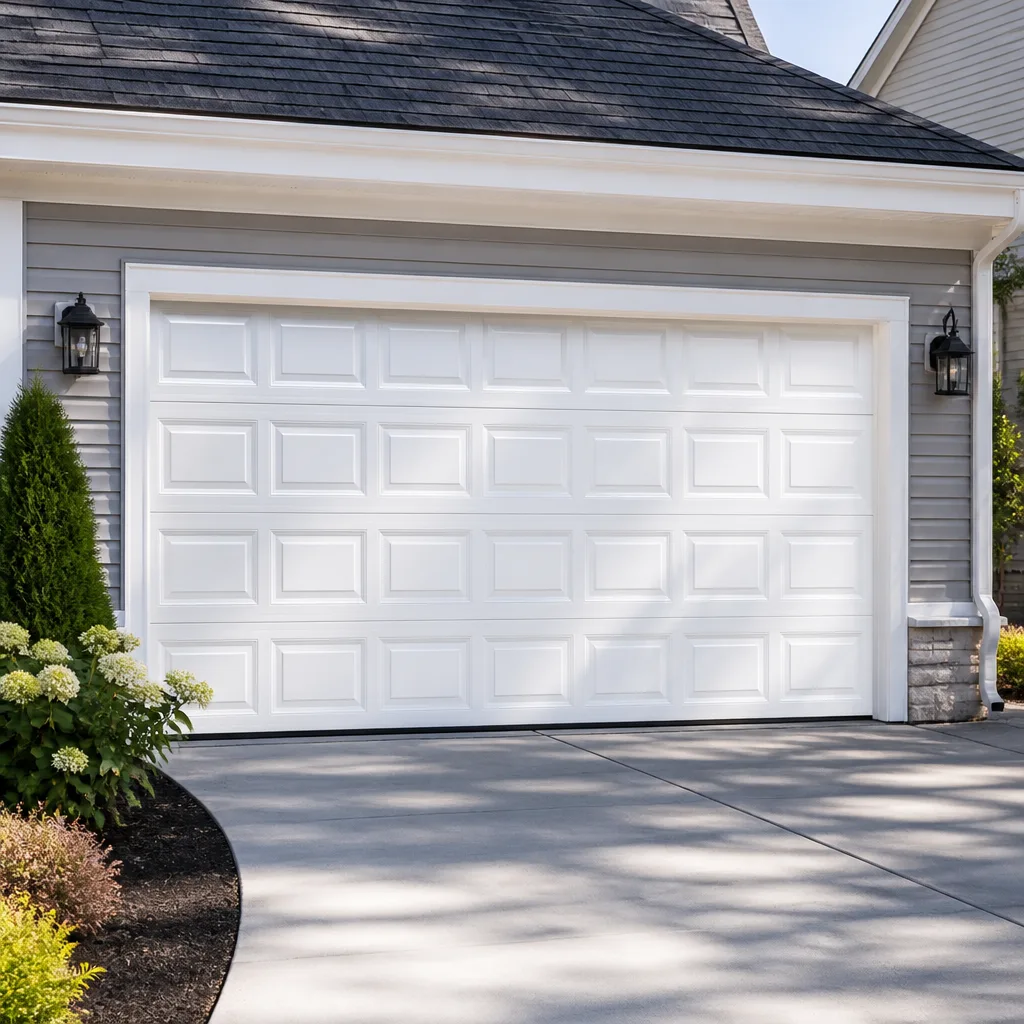 Raised-panel steel
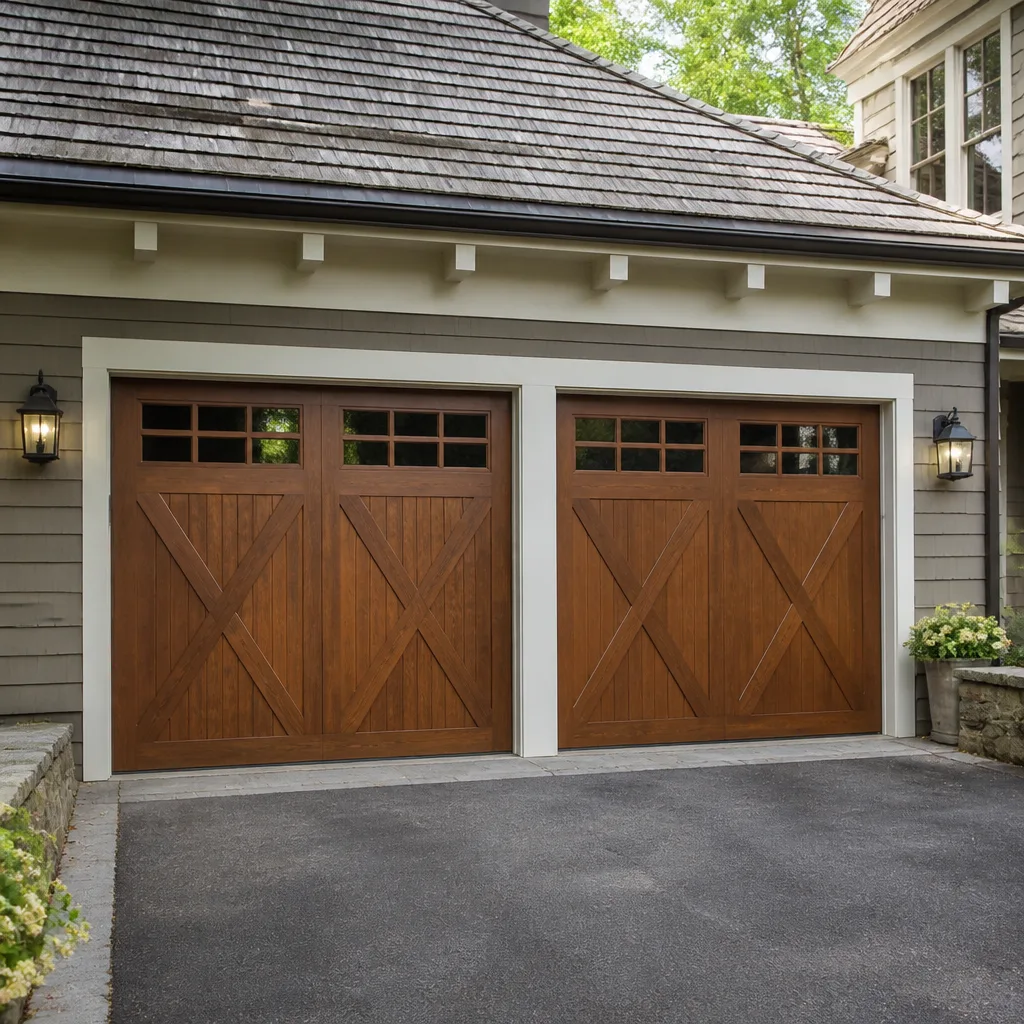 Carriage house
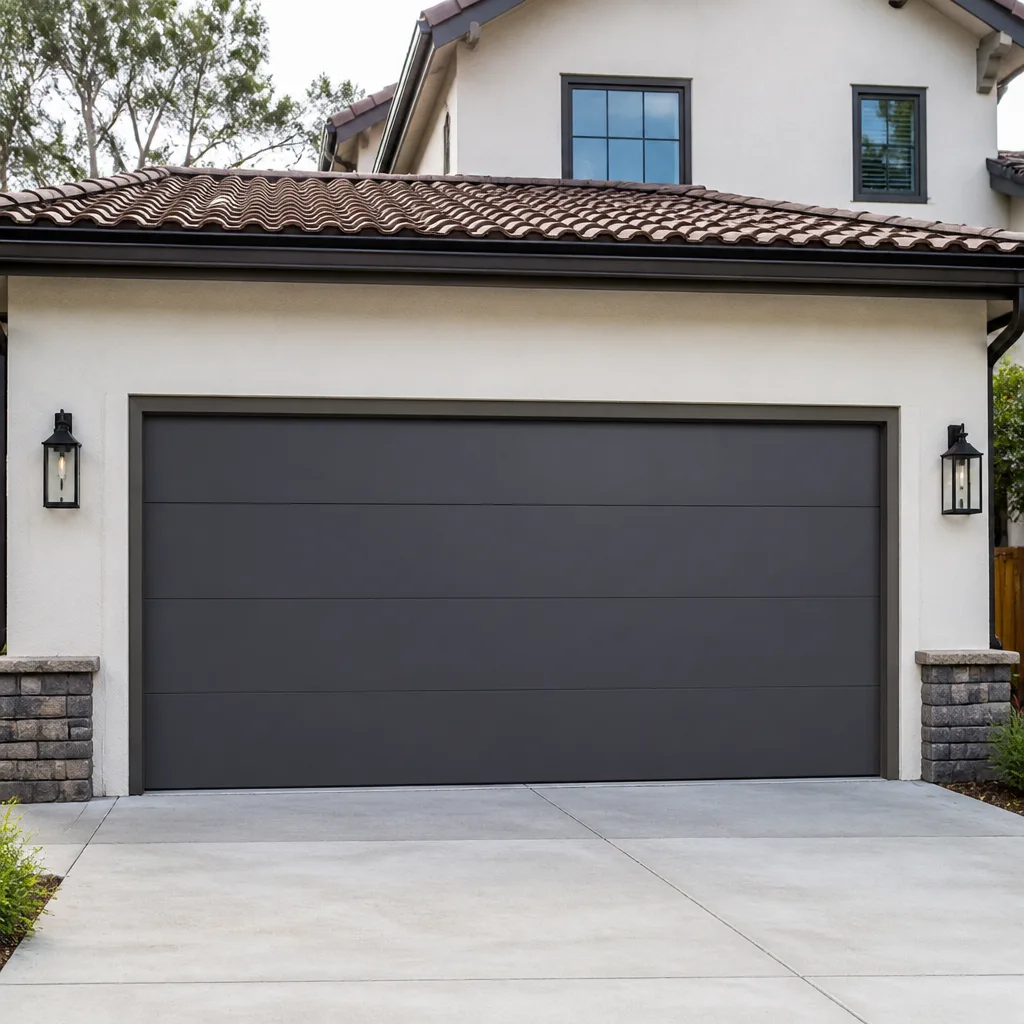 Modern flush
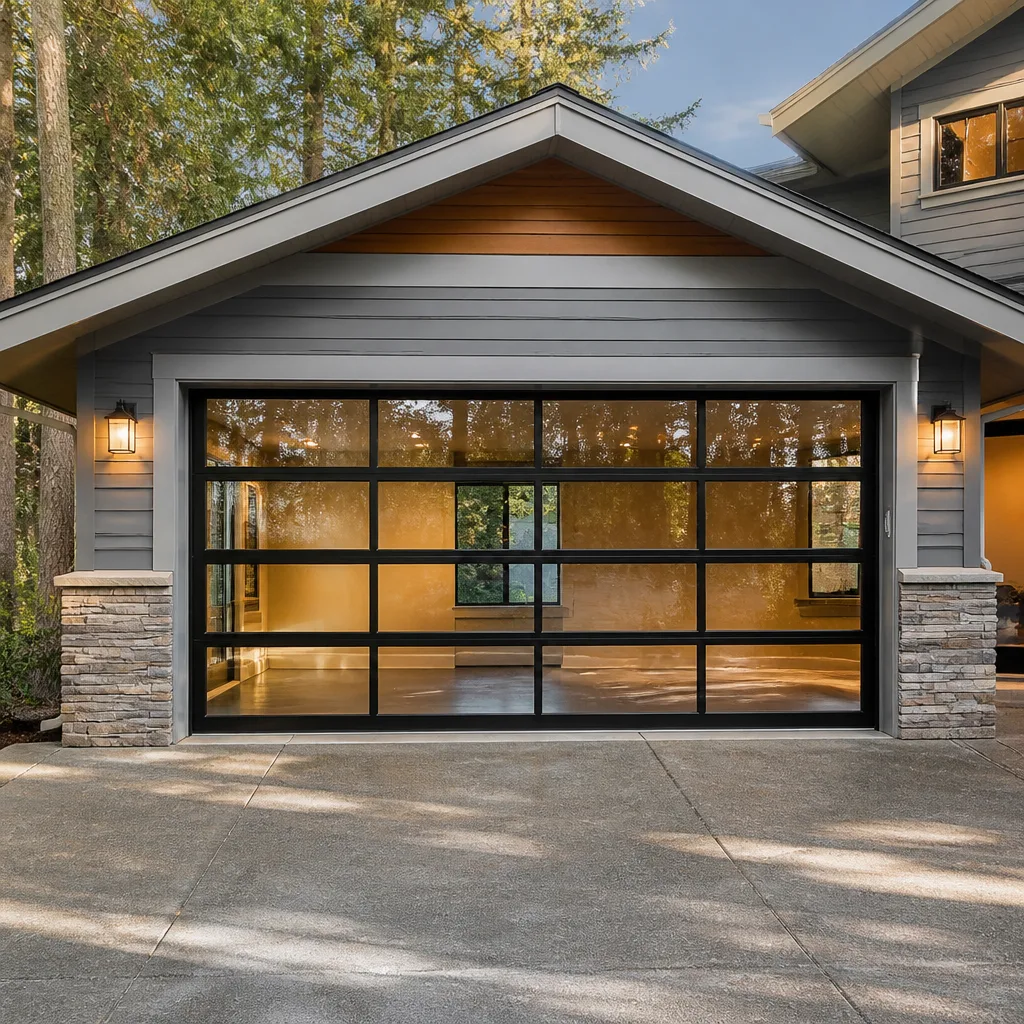 Full-view glass
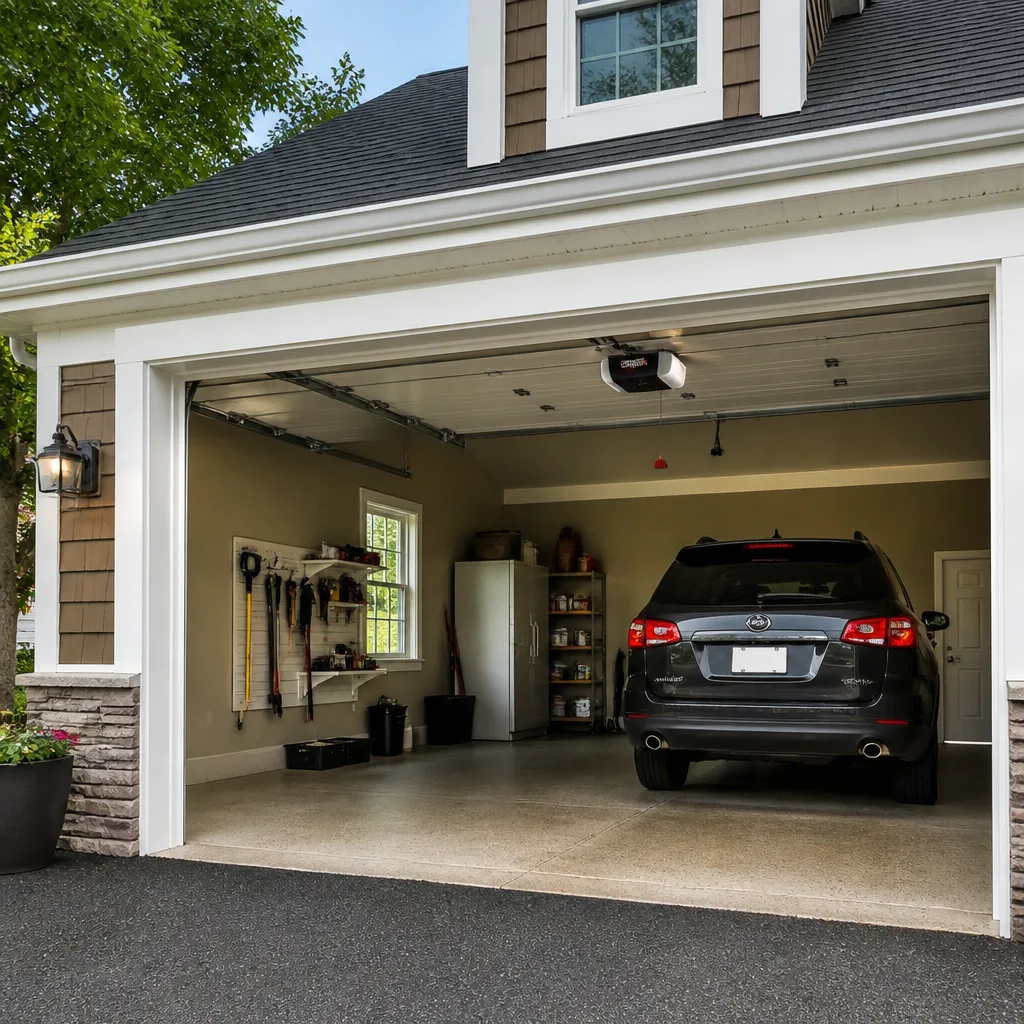 LiftMaster openers
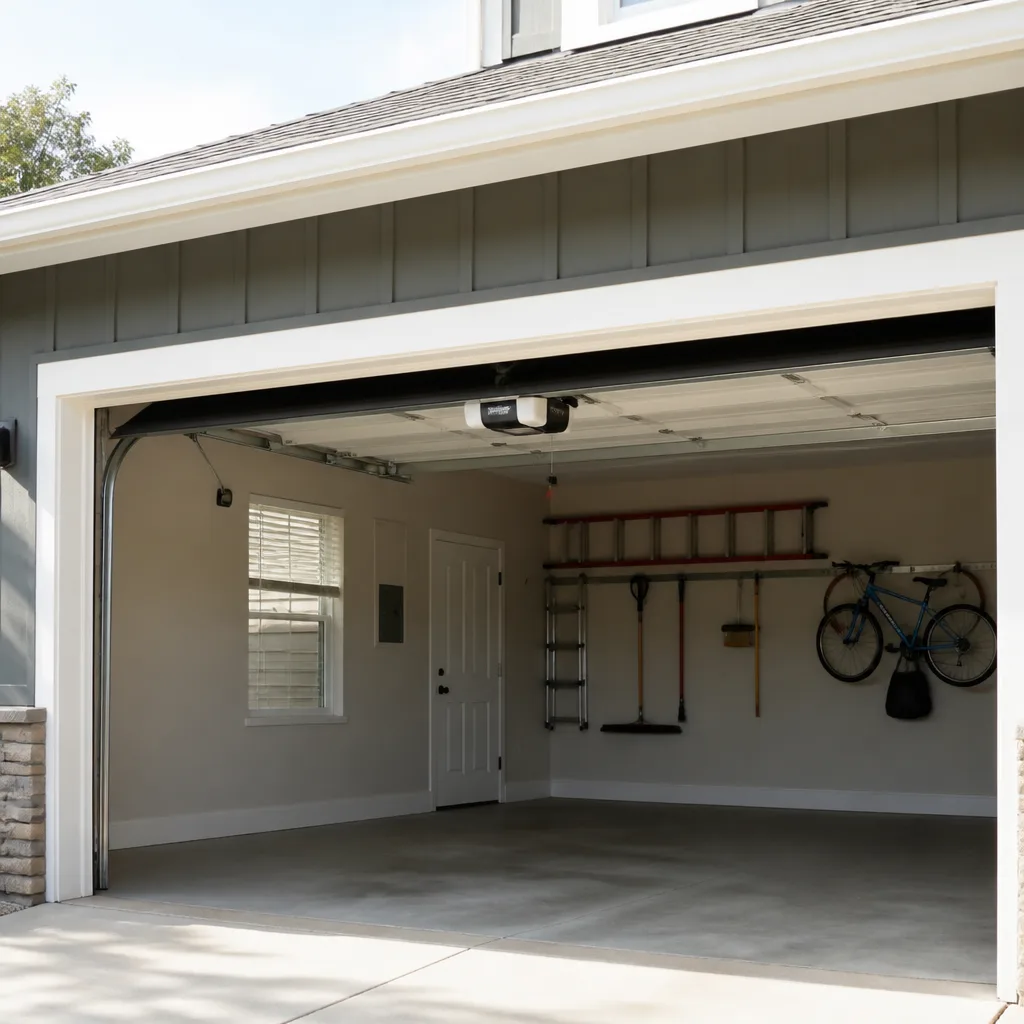 Chamberlain openers
Full 25-point door and opener safety check with every visit - springs, cables, rollers, tracks, and your LiftMaster or Chamberlain opener included
You get a price before we start. It does not change when the pro arrives.
Get your free estimateSeasonal Garage Door Care for Northgate: Year-Round Homeowner’s Guide
Most homeowners think of garage door maintenance as a single annual chore: squirt some lubricant on the moving parts, listen for anything that sounds wrong, and get on with the year. That approach misses what actually breaks doors in Northgate. The climate here doesn’t deliver one steady kind of weather – it cycles through distinct stress phases, and each phase attacks a different part of the system. Cold snaps freeze lubrication dry and change how a torsion spring carries load. Sustained rain finds every crack in a bottom seal. Spring temperature swings crack rubber that survived the winter without complaint. Summer heat expands metal tracks and softens vinyl-backed panels. The failures that generate emergency calls in Northgate cluster in predictable windows because the causes are predictable too. This guide walks through each season, explains which components are under stress and why, and gives you a calendar you can actually follow.
Quick Answer
Seasonal garage door care in Northgate means matching maintenance to the climate’s stress cycle: relubricate with cold-rated grease and adjust opener force in September and October before the first sustained cold, monitor frozen seals and spring tension through winter, inspect cables and recalibrate opener travel in March and April, and check UV damage and photo-eye alignment in summer. Most of these are 15-to-30-minute checks a homeowner can do safely. Anything involving springs, cables, or the high-tension hardware that lifts the door is a professional job.
Styles & brands we work with
- Raised-panel steel
- Carriage house
- Modern flush
- Full-view glass
- LiftMaster openers
- Chamberlain openers
Table of Contents
- Fall Prep: September and October
- Winter Watch: November Through February
- Spring Check: March and April
- Summer Window: June Through August
- Year-Round: Elevation, Tree Cover, and Corrosion
- Your Northgate Maintenance Calendar
- Common Mistakes to Avoid
- When to Call a Professional
Fall Prep: September and October
The two weeks before the first sustained cold snap are the most valuable maintenance window of the year in Northgate. What you do now determines whether your door runs smoothly through February or grinds to a halt in November. Three tasks matter most: relubrication with the right product for cold weather, bottom seal inspection, and opener force adjustment.
Relubrication with cold-temperature grease. Standard multi-purpose lubricant thickens noticeably as temperatures drop below 40°F. That thickening increases drag on rollers, hinges, and the torsion shaft bearings, which forces the opener to work harder and accelerates wear. Before the cold sets in, apply a cold-rated garage door lubricant – a lithium- or silicone-based product rated for low-temperature operation – to every roller stem, hinge pivot, and bearing plate. Avoid petroleum-based sprays that attract dust and gum up in cold. Wipe off excess so it doesn’t collect grit that turns into grinding paste.
Bottom seal inspection. The bottom seal is the rubber strip along the bottom edge of the door. It’s the first line of defense against rain, wind-driven moisture, and small pests. Once sustained fall rain begins in Northgate, a cracked or compressed seal lets water track under the door and pool against the threshold. Check the seal for brittleness, tears, or sections that no longer contact the floor when the door is closed. If it’s failing, replace it before the rainy season, not after. A new seal is inexpensive and takes a technician a short visit to fit.
Opener force adjustment. Cold makes doors heavier. Steel contracts, grease thickens, and the door’s own weight increases resistance to the opener’s pull. Most modern openers – LiftMaster and Chamberlain models especially – have force adjustment settings that scale the motor’s effort to the door’s actual weight. If your opener was set during mild weather and the door gets heavier in the cold, the opener may trigger its safety reversal or stall halfway. Have the force limits adjusted slightly upward before winter so the door still closes reliably without overriding the safety reverse feature.
A fall checklist you can run in one afternoon
- Lubricate all roller stems, hinges, and bearings with cold-rated grease.
- Check the bottom seal for cracks and floor contact.
- Test the opener’s safety reverse by placing a small object in the door’s path.
- Watch the door through a full open-close cycle for any binding or hesitation.
- Clear leaves and debris from the tracks and threshold.
- Schedule a professional inspection if you notice any stiffness, noise, or uneven movement.
These steps take an afternoon and prevent most of the late-October repair calls that come in once the cold settles. If your door already shows signs of strain, garage door repair is best handled before the cold locks things in place.
Winter Watch: November Through February
Winter in Northgate puts the most stress on two components: the bottom seal and the torsion spring. Both behave differently below freezing, and both fail in ways that can leave you locked in or out. Understanding what’s happening helps you avoid making things worse.
Breaking a frozen bottom seal safely. When the seal freezes to the floor, forcing the door open with the opener can tear the rubber or damage the panel it’s attached to. Never use the opener as a pry bar. Instead, from inside the garage, gently work a thin plastic wedge or a plastic putty knife under the seal along the frozen section, breaking the bond progressively. Never use metal tools that can gouge the rubber or scratch the concrete. Once the seal is free, clear any ice from the threshold so it doesn’t refreeze in the same spot. If the seal is frozen hard repeatedly, the seal is likely worn and no longer sealing properly – replace it in spring.
What cold does to torsion spring tension. Torsion springs are wound steel coils that balance the door’s weight. In cold weather, the metal contracts slightly and the grease inside the coils thickens, which changes how the spring delivers its stored energy. A door that lifted easily in October may feel noticeably heavier in January. This is normal, but it’s a warning: a spring that’s already near the end of its service life will often fail in the first cold snap. If the door feels dramatically heavier, or you hear a loud bang from the garage, stop using the door and call a professional. Spring replacement is a safety job, not a DIY fix – torsion springs are under extreme tension and can cause serious injury if handled without proper tools and training.
Opener sensitivity in sub-40°F operation. Most openers have a sensitivity setting that determines how much resistance triggers a safety reversal. In cold weather, the door’s increased weight can trigger false reversals. If your Genie or Chamberlain opener reverses before the door fully closes, the sensitivity may need adjustment – but only after confirming the door isn’t actually binding. Never increase sensitivity to the point where the opener would fail to reverse on contact with an object. That defeats the safety system.
What to check each month through winter
- Run the door through a full cycle and listen for new noises.
- Test the safety reverse with a small object in the path.
- Check the bottom seal for freezing and floor contact.
- Watch for any change in how the door feels when lifted manually (disconnect the opener first).
- Clear ice and snow from the threshold and tracks.
Spring Check: March and April
The temperature swings of early spring are hard on a door that’s just survived winter. Rubber seals crack, cables show wear, and the door’s travel limits drift as the springs settle back into warmer-weather tension. This is the second-biggest maintenance window of the year in Northgate, and the one most homeowners skip.
Post-winter cable and drum inspection. Garage door cables run from the bottom corners of the door up around a drum at the top of the torsion shaft. Winter stresses these cables – cold makes the strands slightly more brittle, and the repeated freeze-thaw cycles work the cable ends where they attach to the bottom brackets. Check for fraying, kinks, or rust at the bottom brackets and along the cable run. Do not lubricate cables: the strands need to move independently, and grease traps grit that accelerates wear. Any cable with visible fraying needs professional replacement. Cables under tension can snap and cause serious injury.
Opener travel limit recalibration. Openers have two travel limits: how far up the door goes before stopping, and how far down. After winter, the springs settle slightly and the door may not travel exactly as far as it did in the fall. If the door stops short of the floor or hits the header on the way up, the travel limits need adjustment. This is a straightforward calibration on most LiftMaster and Chamberlain openers, but it’s worth having a technician confirm the door is balanced first. If the travel limits are off because the springs have lost tension, adjusting the opener alone just masks the real problem.
Weather seal replacement window. Spring is the right time to replace a bottom seal that survived winter but is compromised. The rubber is more pliable in mild weather than in cold, and you want a fresh seal in place before the dry summer heat hardens it. If your seal is cracked, compressed flat, or missing sections, replace it now. The same goes for the vertical weather stripping along the door jambs – if it’s brittle or torn, it won’t keep wind-driven rain out.
Spring maintenance sequence
- Inspect cables and drums for fraying, rust, or kinks.
- Test the door balance by disconnecting the opener and lifting the door halfway – it should hold in place.
- Run a full cycle and watch for travel limit drift.
- Replace worn bottom seals and jamb weatherstripping.
- Schedule an garage door opener repair visit if the opener hesitates, reverses unexpectedly, or won’t complete a cycle.
Summer Window: June Through August
Summer in Northgate is the quiet season for emergency calls, which makes it the right season for the maintenance that prevents fall and winter failures. Heat creates its own wear patterns: UV degrades vinyl-backed insulated panels, and metal tracks expand enough to drift the photo-eye alignment that keeps your door’s safety system working.
UV degradation on vinyl-backed insulated panels. Insulated garage doors with a vinyl backing or skin can chalk, fade, or become brittle under prolonged UV exposure. The sun-facing side of the door takes the most punishment. Inspect the panels for chalky residue, fading, or small cracks in the vinyl surface. A faded door is cosmetic, but a brittle one is a structural concern – cracks can spread and compromise the panel’s insulation and rigidity. If the door is approaching the end of its service life, summer is the best time to plan a garage door installation – the weather is mild, the schedule is lighter, and you won’t be racing the first cold snap.
Photo-eye alignment drift from heat expansion. The photo-eye safety sensors sit near the floor on each side of the door, mounted to the metal tracks. Metal expands in heat, and over a summer the tracks can shift just enough to knock the sensors out of alignment. When that happens, the opener refuses to close the door. The fix is usually simple – adjust the sensor bracket until the indicator lights on both sensors are solid – but if the drift is recurring, the underlying issue is track alignment. A technician can true the tracks and tighten the brackets so the sensors stay aligned.
Servicing before the fall rush. Late August and early September are the busiest weeks for garage door service in Northgate. Getting your annual inspection and lubrication done in June or July means you’re ahead of the queue and your door is ready for the cold before the first freeze. If your door needs parts – a new bottom seal, replacement rollers, or a fresh set of springs – summer is when supply is easiest and scheduling is fastest.
Year-Round: Elevation, Tree Cover, and Corrosion
Northgate sits higher than the low-lying neighborhoods closer to Puget Sound, and the difference matters for how fast steel hardware corrodes. Moisture hangs around longer at elevation, especially under tree cover, and that extended damp exposure is what drives rust on hinges, tracks, and the bottom brackets where the cables attach.
In lower-lying Seattle neighborhoods, the air tends to move and dry out more quickly after rain, so bare steel hardware can go years without visible rust. In Northgate, the combination of elevation and mature tree canopy means moisture lingers on the metal surfaces through more of the day, and corrosion starts earlier. Steel hinges, roller stems, and the bottom brackets are the first to show it. The fix is straightforward: keep those parts lubricated with a product that displaces moisture (a lithium- or silicone-based grease, not a dry PTFE spray), and inspect them once a season for rust bloom. Surface rust on a hinge is manageable; rust on a cable strand or a spring coil is a warning sign that the part is nearing failure.
Tree cover also means debris. Leaves, pollen, and small twigs accumulate in the tracks and on the threshold, and wet debris holds moisture against the metal. Clearing the tracks every few weeks during fall is one of the simplest things you can do to extend the life of your door’s hardware.
If you’re not sure whether the rust you’re seeing is cosmetic or structural, a professional inspection is worth the visit. Our technicians have up to 13 years of experience with the brands in your garage, including Raynor and LiftMaster systems, and we can tell you whether a part needs replacement or just attention.
Your Northgate Maintenance Calendar
Here’s the full year at a glance, organized by the stress phase each season creates. Print it, tape it inside the garage, and work through it as the weather changes.
| Season | Main Focus | Key Tasks |
|---|---|---|
| September – October | Cold prep | Relubricate with cold-rated grease; inspect and replace bottom seal; adjust opener force for heavier cold-weather door weight. |
| November – February | Winter watch | Break frozen seals safely; watch for torsion spring tension changes; check opener sensitivity in sub-40°F operation. |
| March – April | Post-winter recovery | Inspect cables and drums; recalibrate opener travel limits; replace weather seals. |
| June – August | UV and heat | Check vinyl-backed panels for UV degradation; realign photo-eyes after heat expansion; service before the fall rush. |
| Year-round | Corrosion control | Keep steel hardware lubricated; clear debris from tracks; monitor for rust on cables and springs. |
A note on what stays off your list
Some tasks in this calendar are homeowner-appropriate: lubrication, debris clearing, seal inspection, and photo-eye alignment are all safe for a careful homeowner with basic tools. Others are not. Anything involving the torsion spring, the cables, or the drum assembly belongs to a trained technician. The spring system stores enough energy to lift a door several times your body weight, and a sudden release can cause severe injury. Treat those parts as off-limits and call a professional when they show wear.
Common Mistakes to Avoid
- Using the wrong lubricant in fall. Standard multi-purpose oil or WD-40 thins out in cold weather and stops protecting metal, while heavy grease can gum up. Use a cold-rated lithium or silicone lubricant and reapply in spring.
- Forcing a frozen door open with the opener. This tears bottom seals and can damage panels. Break the seal free by hand first, using only plastic tools, and never pry with metal.
- Ignoring a door that feels heavier in winter. A colder door feels a bit heavier, but a dramatic change usually means a spring is failing. That’s a call-a-professional signal, not a “wait until spring” signal.
- Increasing opener sensitivity to fix a binding door. That overrides the safety reverse system. If your door reverses unexpectedly, find the real cause – usually a binding track or a failing spring – before touching the sensitivity setting.
- Skipping the spring cable inspection. Cables fray invisibly under the door panels, and a snapped cable during operation is dangerous. Spring is the time to look, and any fraying is a professional replacement.
- Letting tree debris sit in the tracks. Northgate’s mature canopy drops leaves and pollen into tracks and against the threshold, holding moisture on hinge and track surfaces. Clear them out every few weeks during fall.
- Waiting until the first cold snap to call. The busiest week for garage door service in Northgate is the first sustained cold of the year. Schedule your fall maintenance in September, not November.
When to Call a Professional
Some garage door problems are homeowner-appropriate; others aren’t. Call a professional immediately if you hear a loud bang from the garage, if the door won’t stay level when lifted manually, if a cable appears frayed or kinked, if a spring is visibly broken or has separated, or if the door drops faster than it should. These signals mean the spring or cable system – the parts that hold the door’s weight – is compromised, and continuing to operate the door risks injury or panel damage. Also call if the opener refuses to reverse, if the door only opens a few inches and stops, or if the door has come off its tracks. Garage Door Repair Northgate offers free estimates in Northgate – call (844) 685-3487. We work on the brand already in your garage, from Raynor and LiftMaster to Chamberlain and Genie, and we stock and supply the parts needed to get you back to a working door without the callback delay of a special order.
See the difference
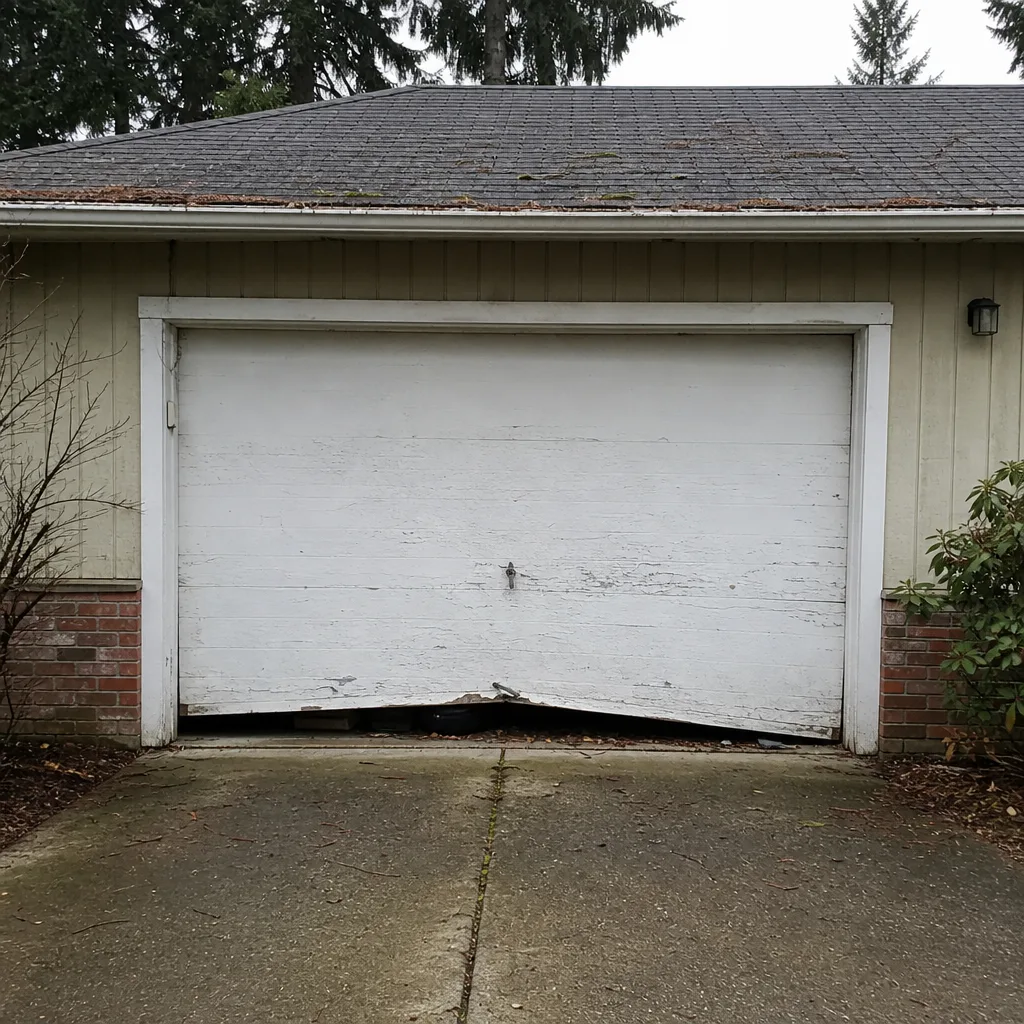 Before
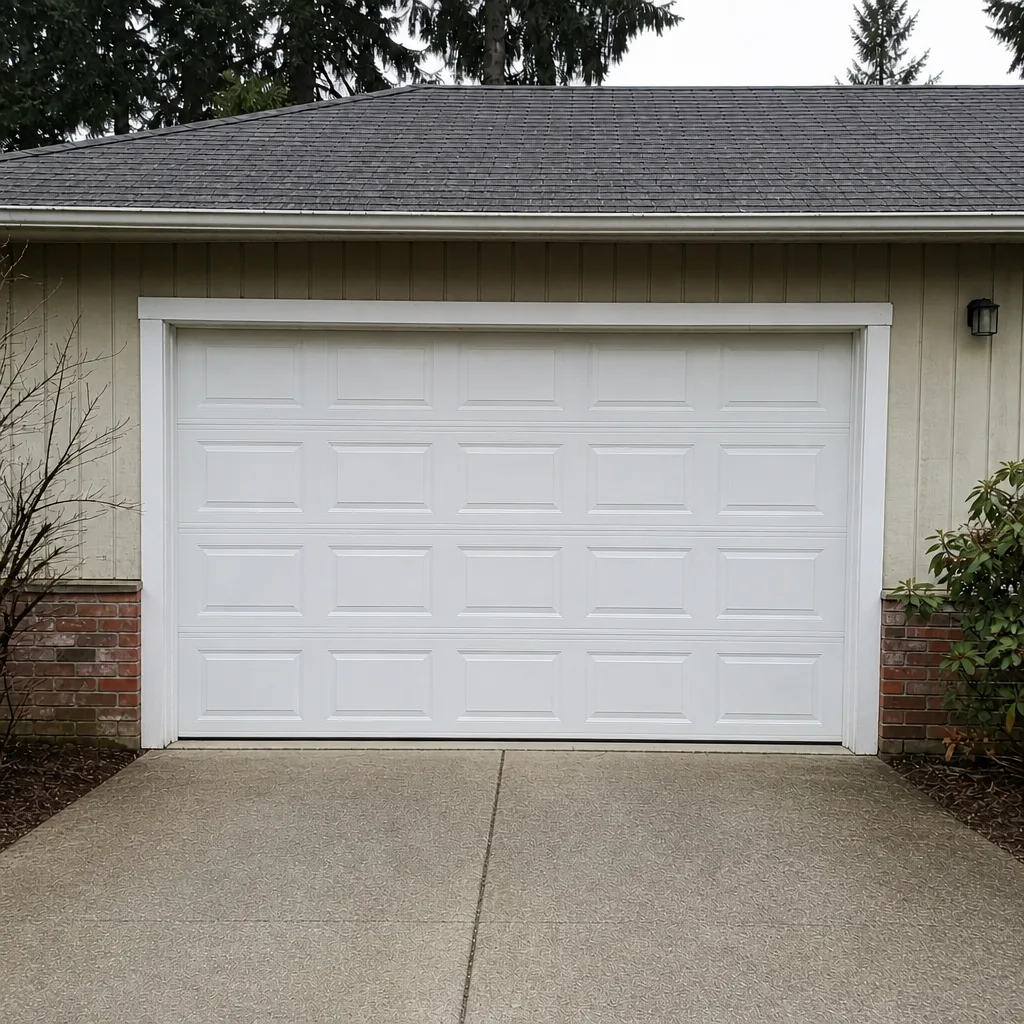 After
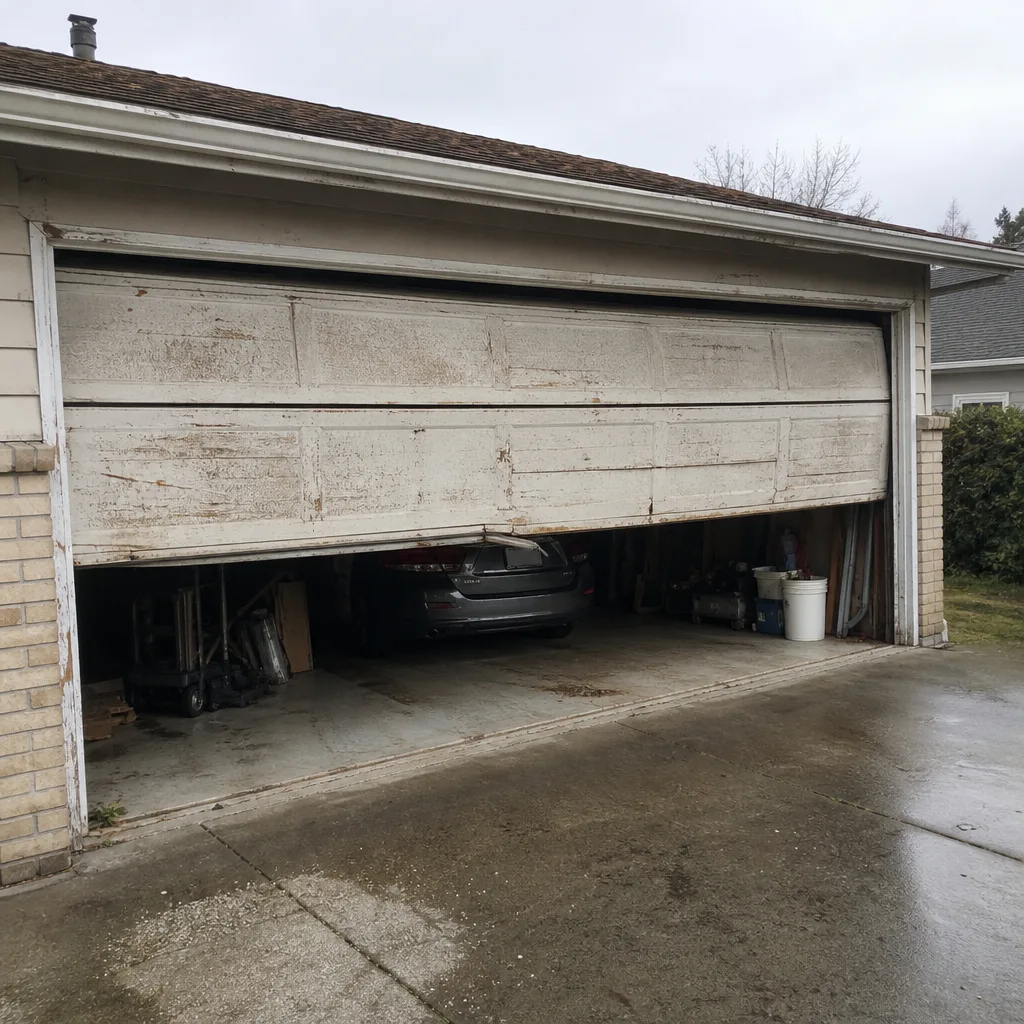 Before
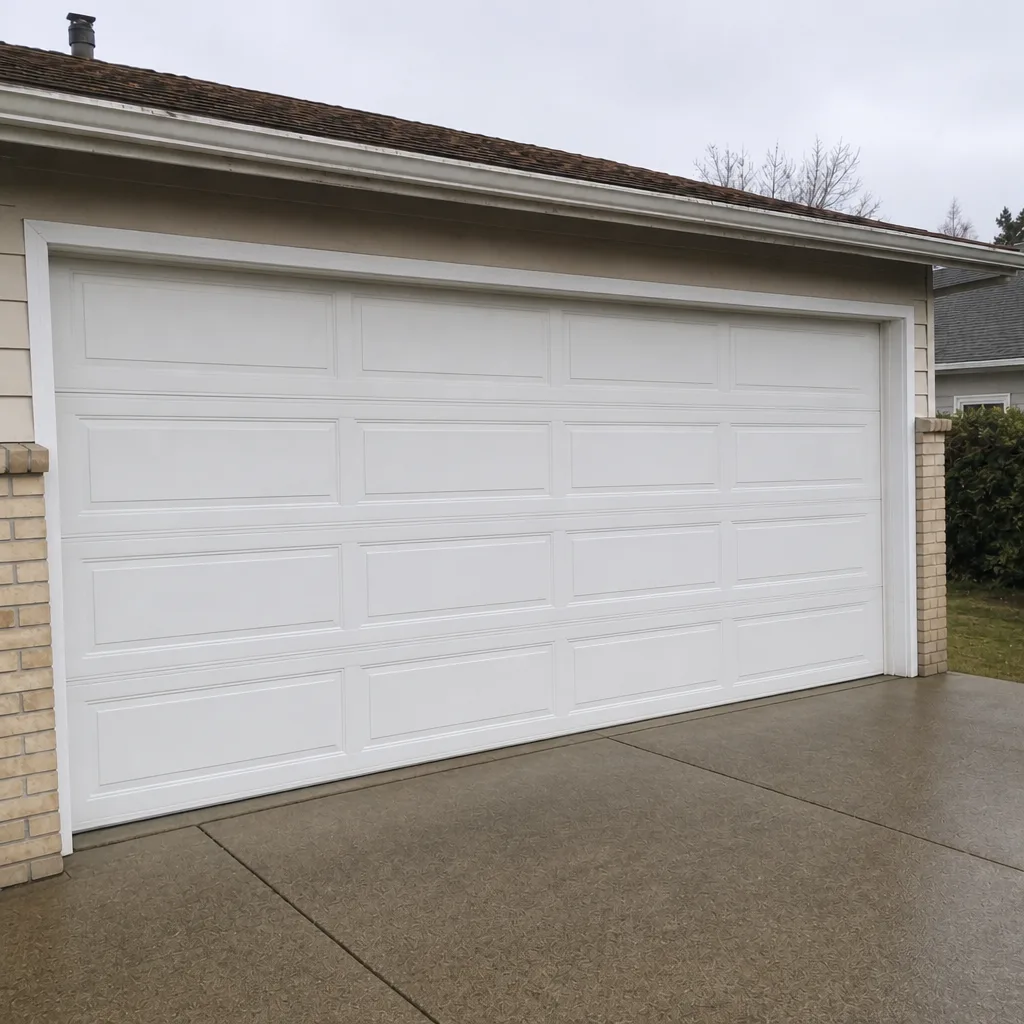 After
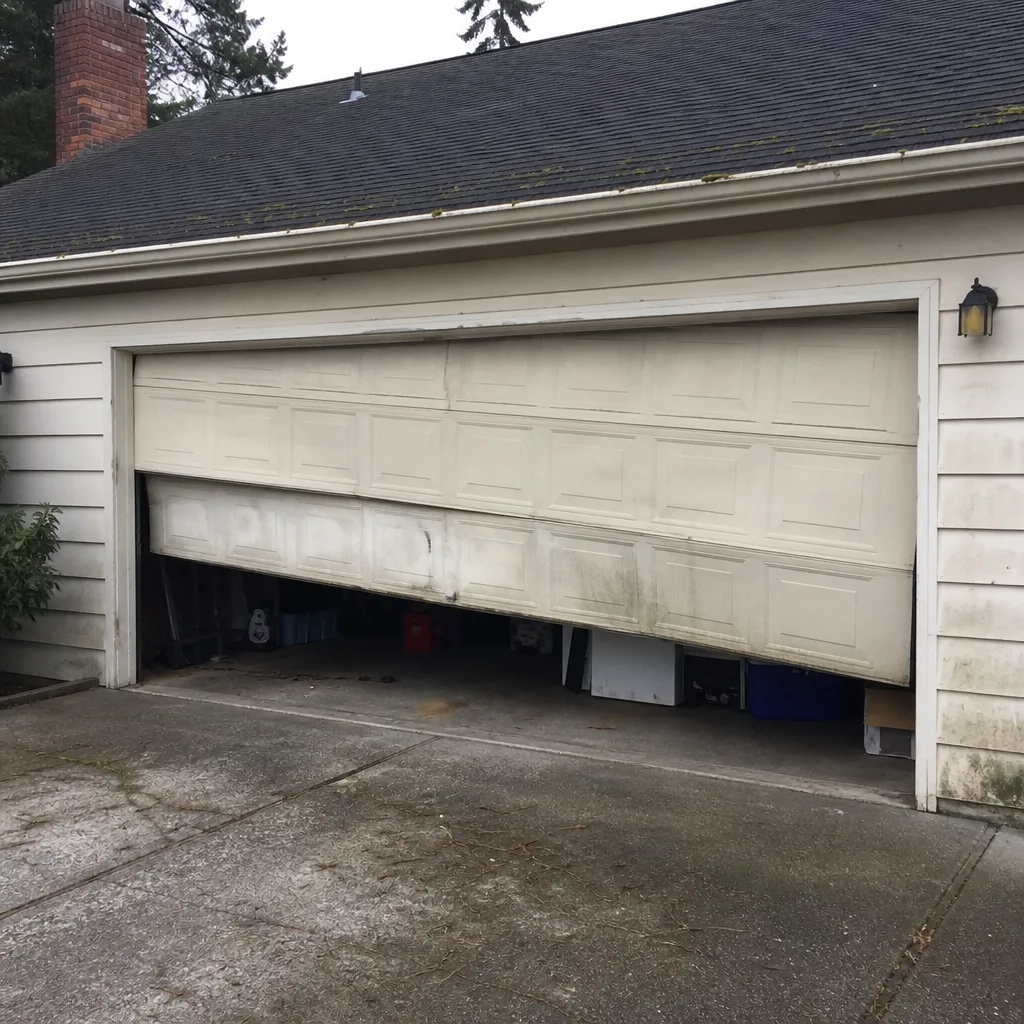 Before
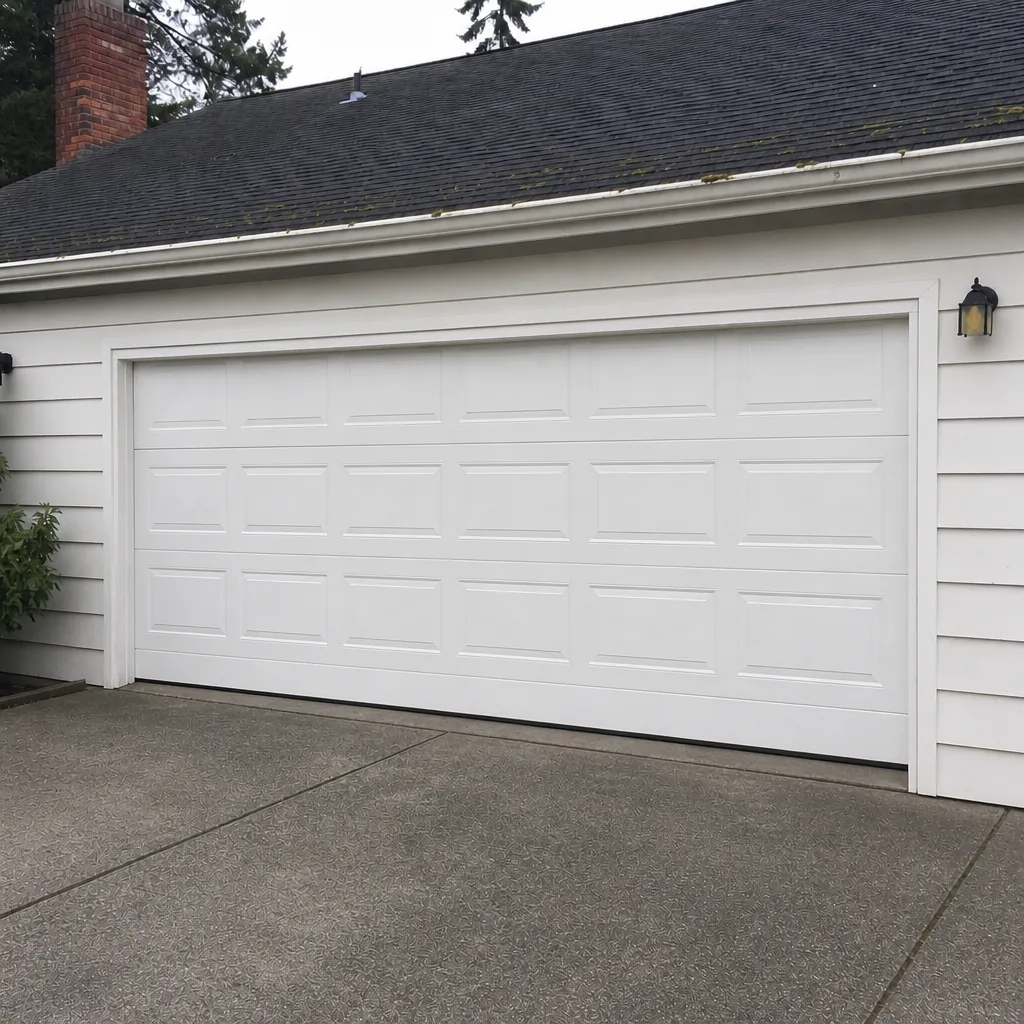 After
Frequently Asked Questions
Twice a year is the right cadence for Northgate’s climate – once in September before the cold, once in April after the freeze-thaw cycle. Use a cold-rated lubricant in fall and reapply in spring. If your door gets heavy use or sits under dense tree cover, a third light application in summer helps.
Cold weather contracts the torsion spring metal slightly and thickens the grease inside the coils, which changes how the spring delivers lift. A modest increase in weight is normal. A dramatic change usually means the spring is failing and should be inspected by a professional before it breaks.
No. Torsion and extension springs are under extreme tension and can cause serious injury if they release unexpectedly. Spring replacement is a safety job, not a DIY fix. Call a trained technician with the right tools and training.
Late spring through summer is ideal for a new door – mild weather, lighter scheduling, and time to address any fit issues before the cold. Summer installation also lets you test the door through the full heat expansion cycle before fall. If your current door is showing UV damage or panel cracks, plan the replacement for June or July.
Two possibilities: the door is binding from cold-thickened grease or spring tension, or the opener sensitivity is set too high. First check for binding by disconnecting the opener and lifting the door manually. If the door moves freely, the sensitivity may need adjustment. Never raise sensitivity so far that the safety reverse stops working.
Both sensors have indicator lights. If one is off or flickering, the alignment is off – usually from heat expansion pushing the tracks out of true. Adjust the sensor bracket slowly until both lights are solid. If the drift keeps coming back, the tracks need professional truing.
The Bottom Line
Northgate’s climate stress cycles through the year in a predictable pattern, and so do garage door failures. Cold-rated lubrication and force adjustment in fall prevent most winter breakdowns. Careful seal handling and spring awareness get you through the cold months. Cable inspection and opener recalibration in spring catch the wear winter left behind. Summer is for UV checks, photo-eye alignment, and getting service before the fall rush. Elevation and tree cover mean steel hardware here corrodes a little faster than in lower Seattle neighborhoods, so year-round lubrication matters. If your door is already showing strain, or you’d rather have a professional run the yearly inspection, call (844) 685-3487 for a free estimate.
Written by the team at Garage Door Repair Northgate.