Last updated November 21, 2026
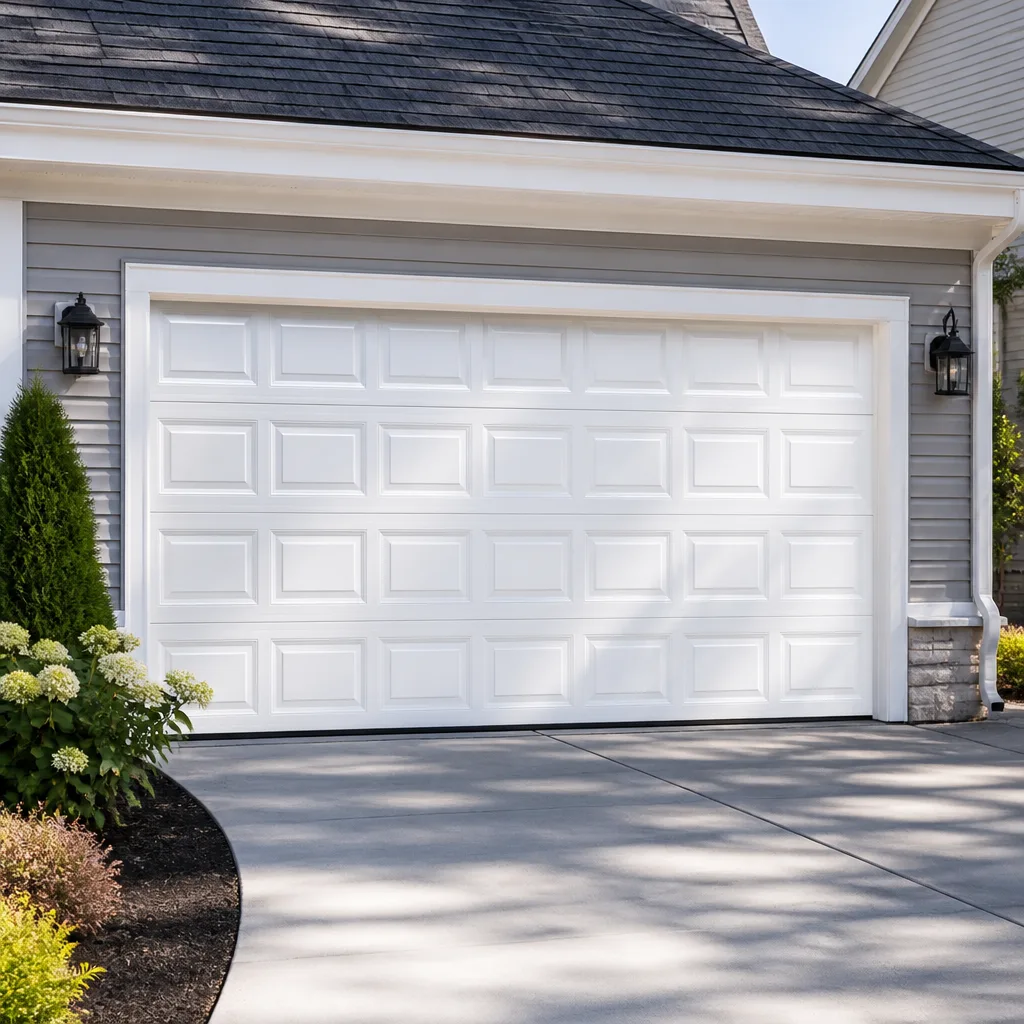 Raised-panel steel
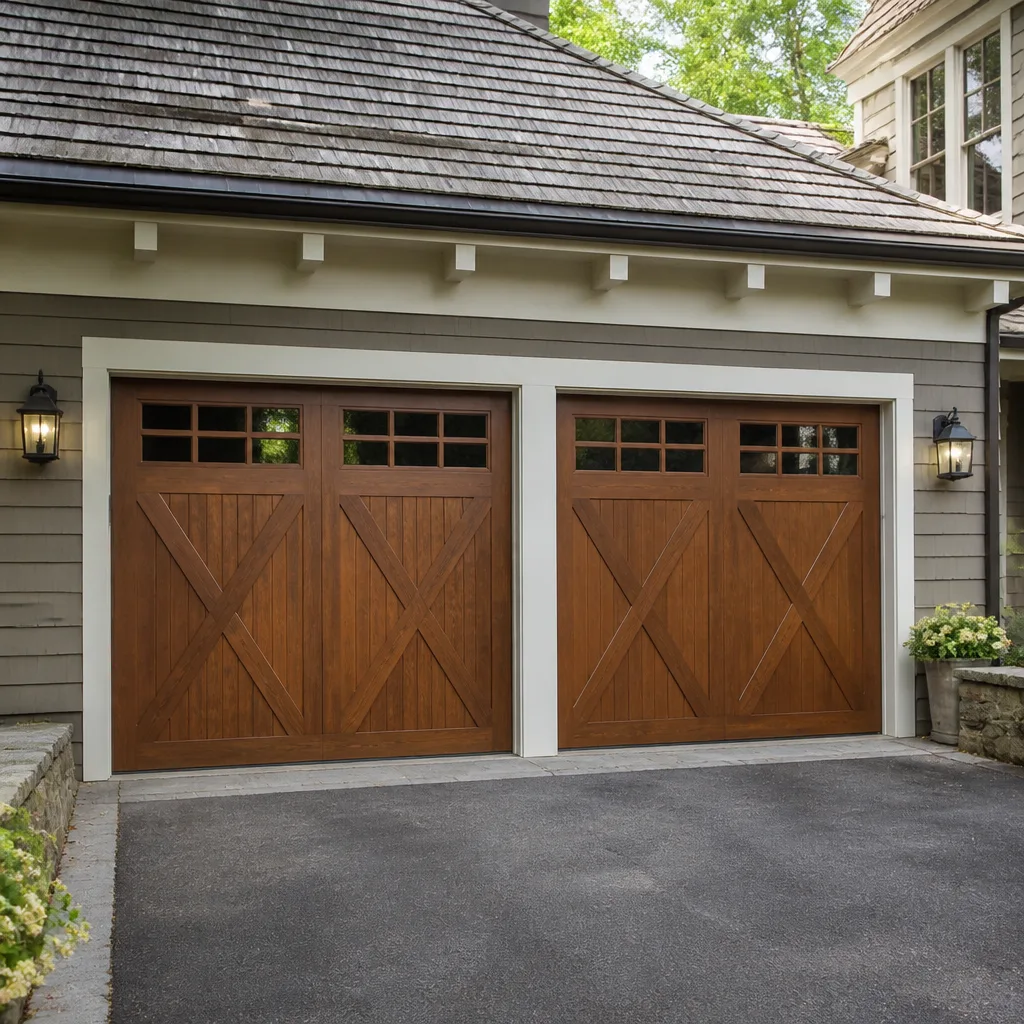 Carriage house
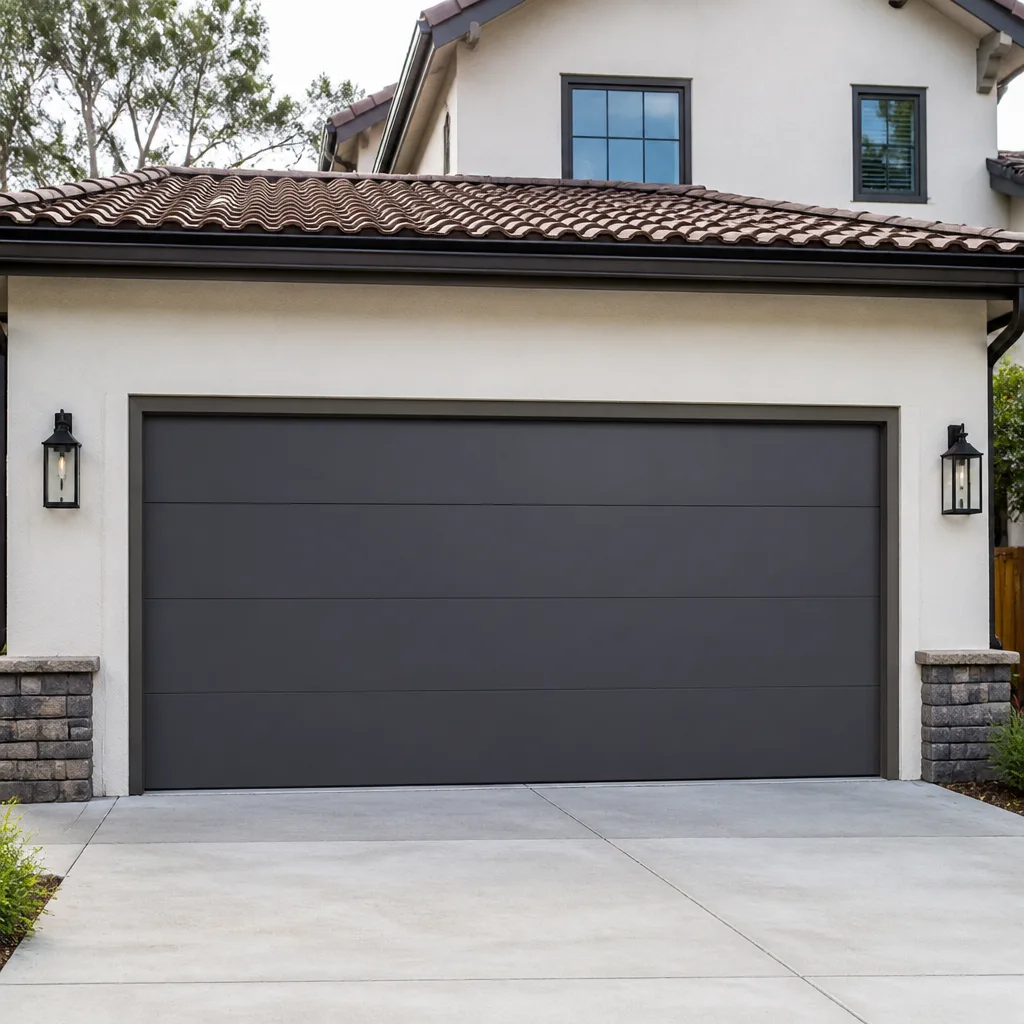 Modern flush
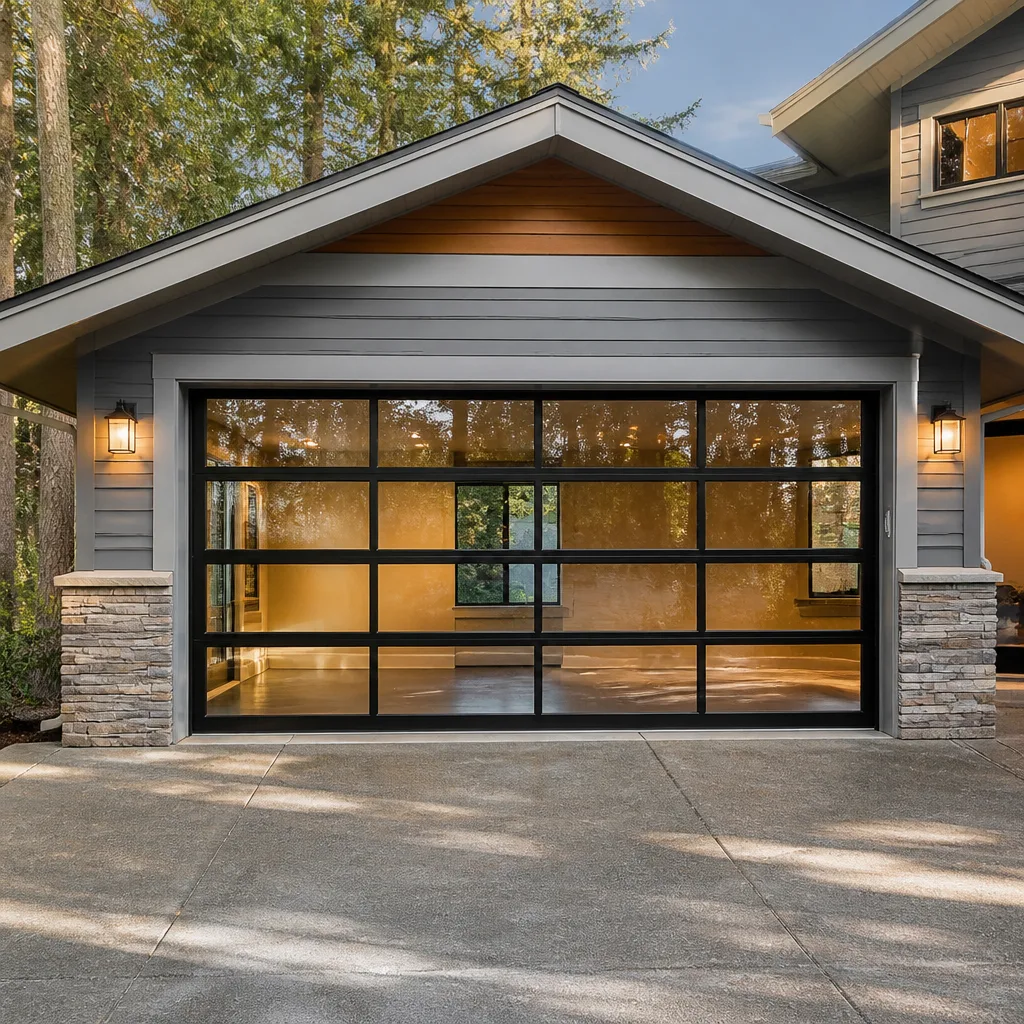 Full-view glass
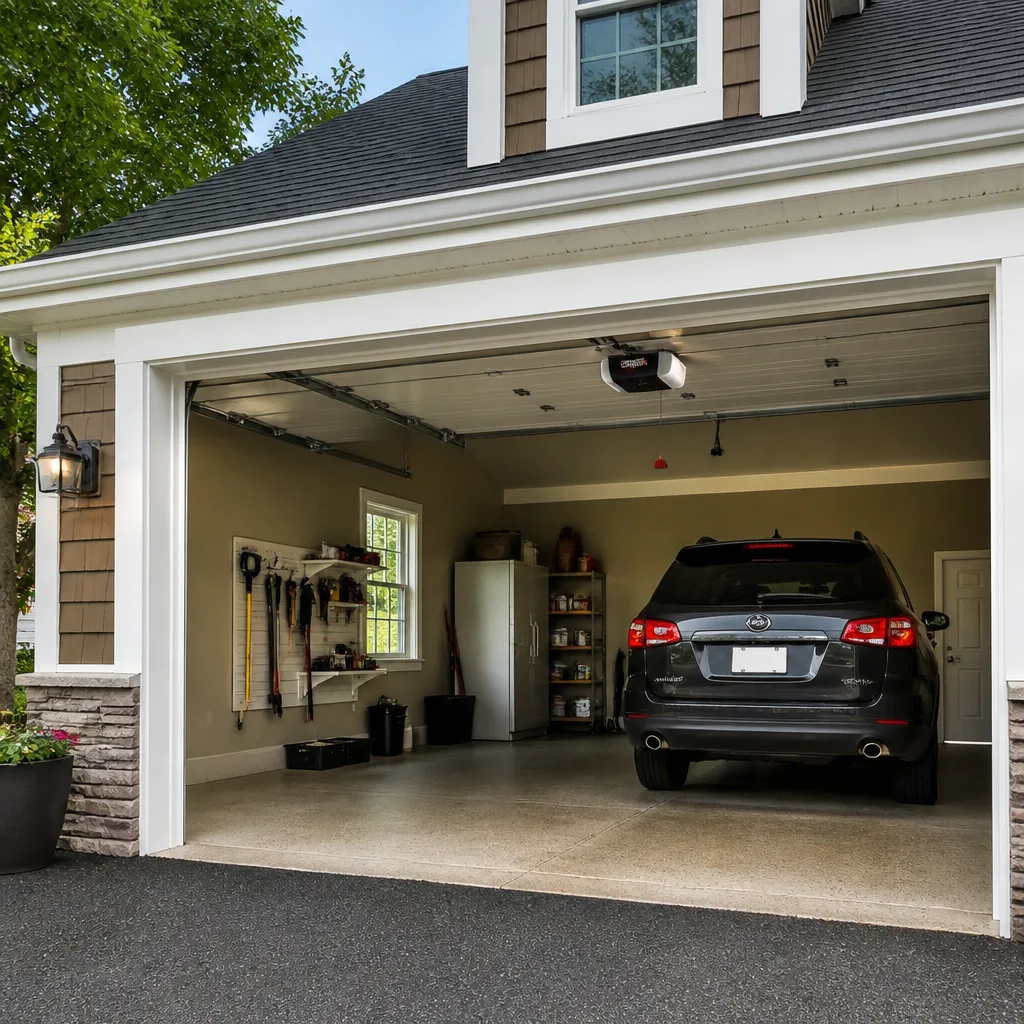 LiftMaster openers
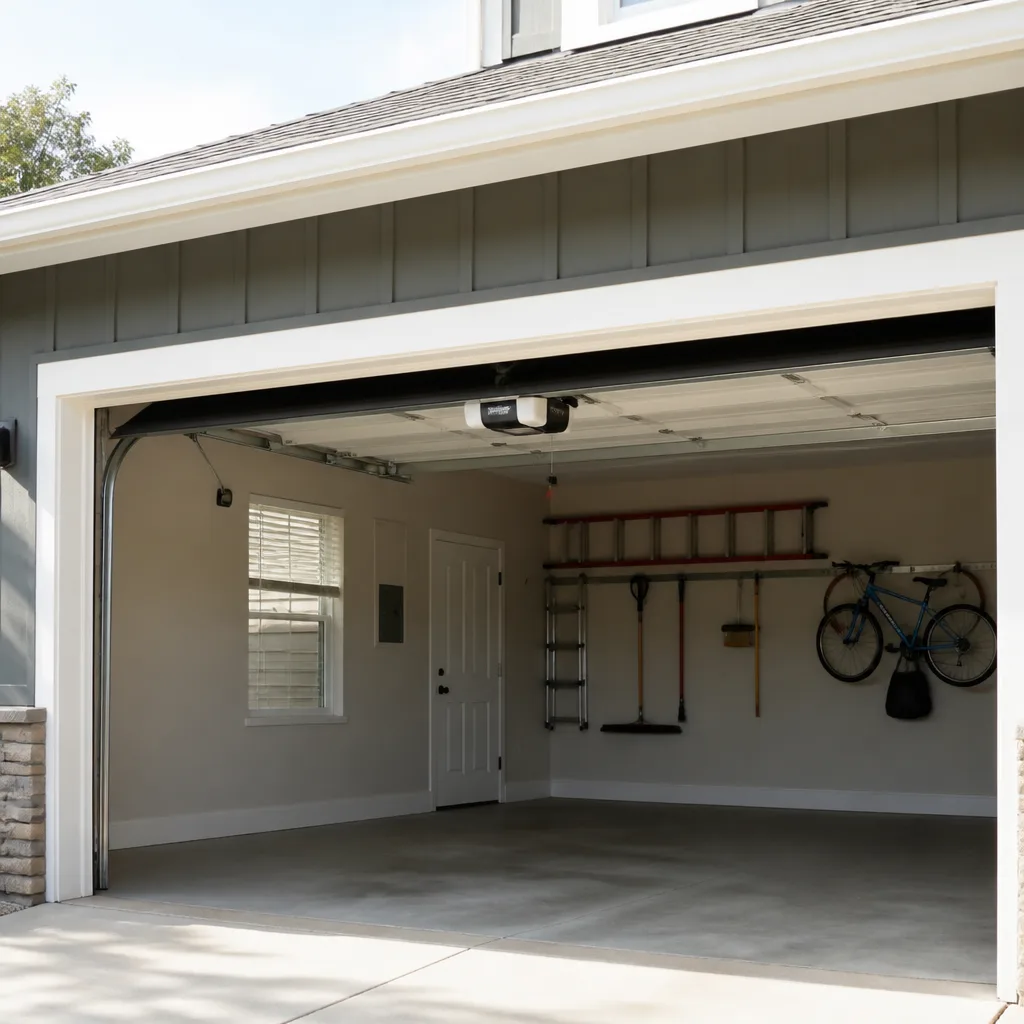 Chamberlain openers
Full 25-point door and opener safety check with every visit - springs, cables, rollers, tracks, and your LiftMaster or Chamberlain opener included
You get a price before we start. It does not change when the pro arrives.
Get your free estimateGarage Door Emergency Preparedness Guide for Northgate Homes
Most homeowners learn how their garage door actually works on the worst possible morning: the one when it stops. A broken spring at 7am while you’re already running late is a frustration. A door stuck open overnight in a Northgate neighborhood that’s changing fast is a different problem entirely, one that turns an inconvenience into an open invitation. Both situations have a correct first response, and almost nobody has been told what it is. This guide covers that ground in plain terms: what to do, what never to do, and what to have ready before you call. Whether your door fails to open or fails to close, you’ll finish with a plan for both.
Quick Answer
Garage door emergencies in Northgate split into two directions: a door that won’t open (usually a broken spring or dead opener) and a door that won’t close (usually a sensor, track, or balance issue). For a broken spring, stop operating the door immediately, secure the opening, and call a specialist. For a door stuck open, lower it by hand only if the spring system is intact, then secure the panel with a manual lock or brace until it’s repaired. Never force a door with a suspected spring failure.
Styles & brands we work with
- Raised-panel steel
- Carriage house
- Modern flush
- Full-view glass
- LiftMaster openers
- Chamberlain openers
Table of Contents
- The Two Directions of a Garage Door Emergency
- The Red Cord: Using the Emergency Release Safely
- Broken Spring: How to Identify It and Secure the Door
- Power Outage Operation and Battery Backup
- Door Stuck Open: A Security Response
- Who to Call and What to Tell Them
- Why Parts on Hand Shortens the Wait
- Preventive Checks Every Northgate Home Should Do
The Two Directions of a Garage Door Emergency
Garage doors fail in one of two directions, and each carries a different risk profile. A door that won’t open keeps your car in and the rest of the world out, so the risk is mostly schedule and access. A door that won’t close leaves your home open to whatever the neighborhood brings, so the risk is exposure and security. The first response is not the same for both, and that’s the single most useful thing to understand before something breaks.
In Northgate, the second scenario is worth more attention than most homeowners give it. Rapid commercial development and steady traffic along the main corridors mean a garage left standing open overnight is visible from the street for hours, not minutes. The door itself may be fine. The problem is that it stopped halfway and stayed there while everyone slept.
Sorting your emergency into the right direction tells you three things at once:
- Whether the door is safe to touch. A door that won’t open because a spring snapped is not safe to move. A door that won’t close because something fell in the sensor’s path usually is.
- How urgent the response is. An open door at night is a security call. A stuck door with the garage closed can often be scheduled.
- What parts the technician should bring. The symptom tells us whether we’re looking at spring hardware, opener logic, or tracks and rollers.
Knowing the direction narrows the guesswork before anyone picks up a phone.
The Red Cord: Using the Emergency Release Safely
The red cord on a trolley-style opener disconnects the door from the motor so you can operate it by hand. Pulling it while the door is in a non-balanced position, partway up or partway down, can let a heavy panel drop. That’s the danger most people never hear about. The release is a useful tool, but it has one condition: engage it only when the door is fully closed and the spring system is sound.
Here’s the correct sequence for a trolley opener like those on most LiftMaster and Craftsman units:
- Close the door completely first. The closer the door is to fully closed, the less stored energy the spring system is holding against the panels.
- Stand clear of the door’s path. Off to the side, never underneath.
- Pull the red handle down and toward you until the trolley disengages from the carriage. You’ll feel it release.
- Lift the door slowly by hand to test the balance. A properly balanced door stays put about halfway up. If it slams down or takes real force to lift, stop. That points to a spring or balance problem, and the door should not be operated until it’s fixed.
A few things the cord won’t tell you. It won’t fix a snapped spring. It won’t help if the door is off its tracks, and forcing a derailed door by hand can bend panels or drop the whole assembly. If anything feels wrong when you test the lift, set it back down and call for garage door repair. When the opener is the culprit but the spring is intact, the issue often lives in the logic board or the trolley itself, which is what garage door opener repair covers.
Broken Spring: How to Identify It and Secure the Door
A broken torsion spring is one of the easiest garage door failures to diagnose and one of the most dangerous to touch. Torsion springs are under extreme tension and store enough energy to cause serious injury. Spring replacement is a safety job, not a DIY fix. What you can do safely is identify the failure, stop operating the door, and secure the opening until a technician arrives.
Most doors in Northgate use one of two spring systems:
- Torsion springs sit on a horizontal shaft above the door. A break shows as a clean gap in the coil, and the door often won’t lift or feels impossibly heavy.
- Extension springs run along the horizontal tracks on each side. A break usually leaves a dangling spring or a visible gap where one was.
You’ll often hear the break before you see it, a sharp crack or bang from the garage. Here’s the response sequence:
- Do not operate the door manually or with the opener. A door with a broken spring is unbalanced and heavy, and lifting it can bring the whole assembly down.
- Secure the opening. If the door is down, leave it down and lock the slide bolt on the inside. If it’s up, call a technician for help closing it safely rather than pulling it by hand.
- Photograph the spring area so you can describe it accurately on the phone. Note whether it’s torsion or extension.
- Call for repair. Torsion and extension springs are matched to the door’s weight, so the replacement has to match, and the pair is usually replaced together.
For a starting point on the call, see our Garage Door Repair Northgate service.
Power Outage Operation and Battery Backup
When the power goes out, your response depends on one thing: whether your opener has a battery backup. Openers with a backup unit, like the LiftMaster 485LM, will still run the door on battery for a limited number of cycles. Openers without one require manual operation using the emergency release, and that means following the red cord sequence above, engaging it only with the door fully closed and the springs sound.
The difference matters in Northgate because outages here often come from wind events and winter storms that roll through quickly but leave the door without power for a stretch. A little preparation now avoids a scramble later.
Here’s how to know what you have and how to get back to normal:
- Check for a backup unit. Many modern LiftMaster and Chamberlain openers accept a battery backup that looks like a small box mounted near the motor head, with a status light on it.
- Test it before you need it. Once a season, unplug the opener and confirm the door still runs on battery. If it’s sluggish or won’t move, the battery is the suspect.
- Re-engage the opener after power returns. If you disengaged the door manually, run the opener and let the trolley travel back until the carriage reconnects. You’ll hear it click into place. Then run one full open-and-close cycle to confirm the limits are still correct. If the door reverses short or doesn’t close fully, the travel limits or force settings need adjusting.
If the opener won’t re-engage or the door behaves oddly after a cycle, the logic board or the trolley may be worn, and that’s a job for a technician rather than a guess.
Door Stuck Open: A Security Response
A door stuck open is a security problem first and a repair problem second. The faster you close or lock the opening, the less exposed your home is. In a Northgate neighborhood with steady traffic and active commercial development, an open garage is visible to anyone passing by for as long as it stays that way. Treat the first response as closing the opening, not diagnosing the door.
Here’s the sequence to follow once you’re sure the spring system is intact and safe to move:
- Test the balance first. If the door is safe to move, pull the red cord with the door fully closed, then lift it by hand to bring it down. Stop if it feels heavy or drops on its own.
- Lock it from the inside. Many manually released doors have a slide bolt or manual lock on the inside. Engage it so the door can’t be lifted from outside.
- Brace the panel if you can’t lock it. A bar or heavy object against the bottom panel, set on the inside, reduces the chance of someone lifting it. This is a temporary measure, not a fix, so schedule the repair promptly.
- Check the sensors. A door that refuses to close often has something blocking the safety sensor beam at the bottom corners, or the sensors are misaligned. Clear the path and confirm the sensor lights are on and steady.
- Keep the opener disconnected until the technician re-engages it, so a stray remote press doesn’t send the door up again.
If the door is off its tracks, don’t force it closed. Call for a technician to get it down and secured safely.
Who to Call and What to Tell Them
The most useful thing you can do on an emergency call is give the technician accurate details. That short conversation determines the ETA and whether the right parts come on the first visit. A few minutes of prep on the phone saves a second appointment and gets you back to a working door faster.
Have these details ready before you dial:
- Door width and material. A single-car door usually runs about 8 to 9 feet wide. Double doors are typically 16 feet. Whether it’s steel, wood, or aluminum affects what hardware and springs are needed.
- Spring type. Torsion (horizontal on a shaft above the door) or extension (running along the side tracks). This tells the technician what hardware to bring.
- Opener brand and model. The model number is usually on a label on the back or inside of the motor housing, or on the rail. Knowing you have a LiftMaster, Chamberlain, Genie, or Craftsman unit speeds diagnostics.
- What the door is doing. Won’t open, won’t close, stuck halfway, grinding, or reversing immediately. This points to whether the call is spring, opener, or track work.
- How long it’s been stuck and whether it’s currently open or closed. An open door gets priority, especially overnight.
We work on the brand already in your garage, whether it’s a LiftMaster, Chamberlain, Genie, Craftsman, Clopay, Amarr, Wayne Dalton, or Raynor system. That familiarity means fewer surprises when we arrive. For a new door or replacement, our garage door installation service walks through sizing and options in the same visit.
Why Parts on Hand Shortens the Wait
Many garage door emergencies can’t be fully resolved until the right parts arrive. A snapped torsion spring, a failed opener logic board, or a cracked trolley carriage all need specific components, and if your technician has to order them, the fix slips by days. That’s the callback delay most homeowners don’t expect. Parts on hand, not on order, is the difference between a one-visit repair and a waiting game.
The parts that most often decide whether a call is resolved same-day:
- Springs matched to door weight. Torsion and extension springs come in many sizes, and the wrong one is unsafe, so having the right stock on hand matters.
- Openers and logic boards. LiftMaster, Chamberlain, Genie, and Craftsman platforms dominate most homes, and having those parts means faster diagnostics and repair.
- Rollers, hinges, cables, and trolleys. These are the small parts that decide whether a door runs quietly and safely or gets stuck again.
Because we’re a dedicated garage door specialist, we stock the parts the job actually needs rather than sourcing them from a general supplier. From opener remote to full door replacement, the full service arc stays in one place.
Preventive Checks Every Northgate Home Should Do
Most garage door emergencies announce themselves weeks before the failure. A little inspection now catches the wear that turns a routine repair into an emergency later. Northgate’s wet winters and dry summers make the cycle of expansion and contraction hard on metal hardware, so a quick seasonal check pays off.
Here’s what to check, from the ground up:
- Look at the springs. Run your eye along the torsion spring above the door or the extension springs on the side tracks. Any visible gap or gap where a coil should be is a failure waiting to happen.
- Test the balance. Disengage the opener, lift the door halfway by hand, and let go. A balanced door holds. A door that drifts down fast means a spring or cable issue.
- Listen for noise. Grinding, squealing, or a heavy rattle usually means worn rollers or a dry hinge. These are cheap fixes before they become track failures.
- Test the safety sensors. Wave an object in front of the sensor at the bottom of the tracks. If the door doesn’t reverse or won’t close, the sensor or its wiring needs attention.
- Check the weather seal and bottom panel. A worn seal lets water in and freezes or swells the wood framing near the door, which is common in Northgate’s wet season.
- Confirm the backup battery works. Unplug the opener and see if the door still runs on battery. If it doesn’t, replace the backup unit before storm season.
Common Mistakes to Avoid
- Pulling the red cord while the door is partway up. A door in a non-balanced position can drop once the opener releases it. Always bring the door fully closed first.
- Forcing a door with a suspected broken spring. The panels are heavy and the spring is under tension, so lifting it by hand can cause serious injury. Leave it and call.
- Ignoring a door stuck open overnight. An open door in a Northgate neighborhood with steady traffic is visible from the street for hours. Lock or brace the panel first, then schedule the repair.
- Assuming a dead opener means a dead door. Many “openers” that won’t run are a worn battery, a tripped breaker, or a logic board fault. Check the backup and power before replacing anything.
- Replacing one spring in a matched pair. A pair wears together, so putting in a single spring usually leads to a second visit soon after. Replace both.
- Calling a general handyman for spring work. Torsion and extension springs need trained, equipped technicians. A generalist without the right tools and parts is a callback risk and a safety risk.
- Not knowing the door width and opener model before calling. That information controls which parts come and whether the first visit resolves the problem. Have it ready.
See the difference
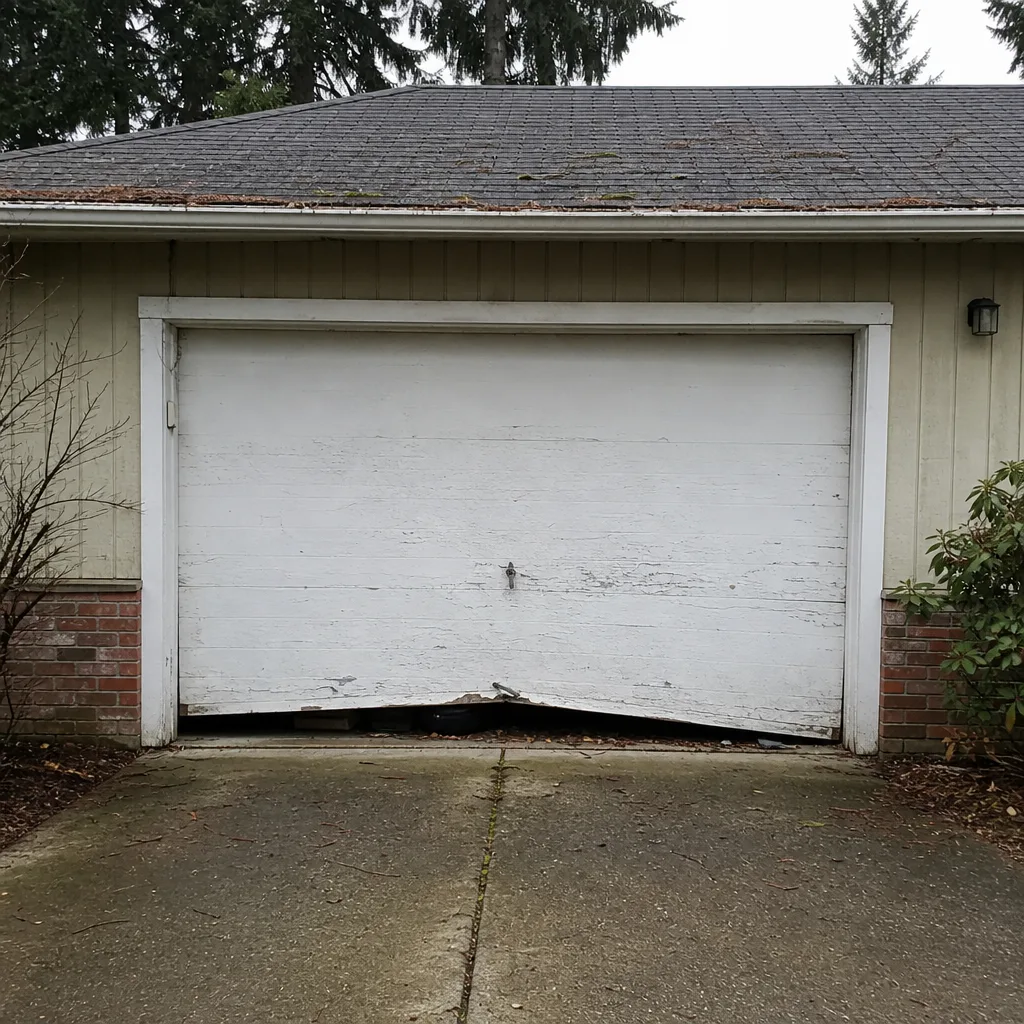 Before
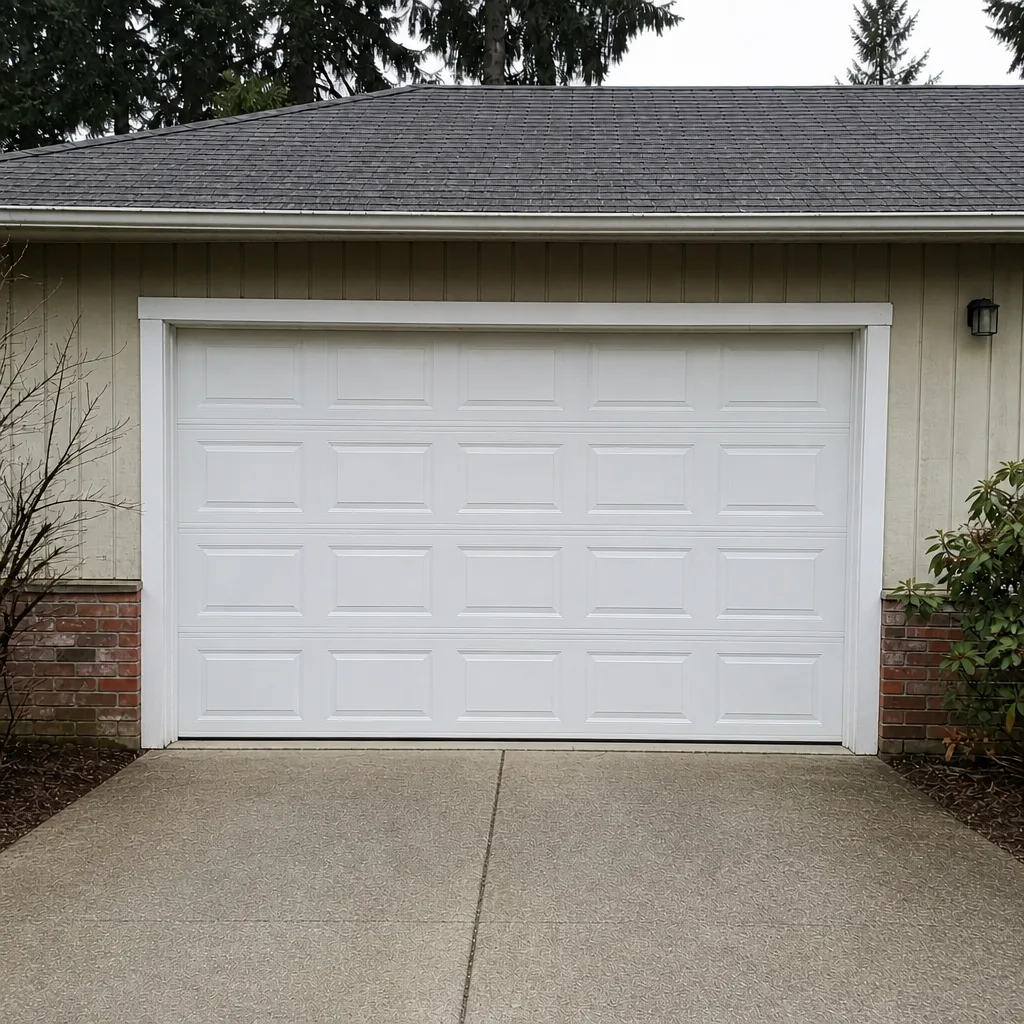 After
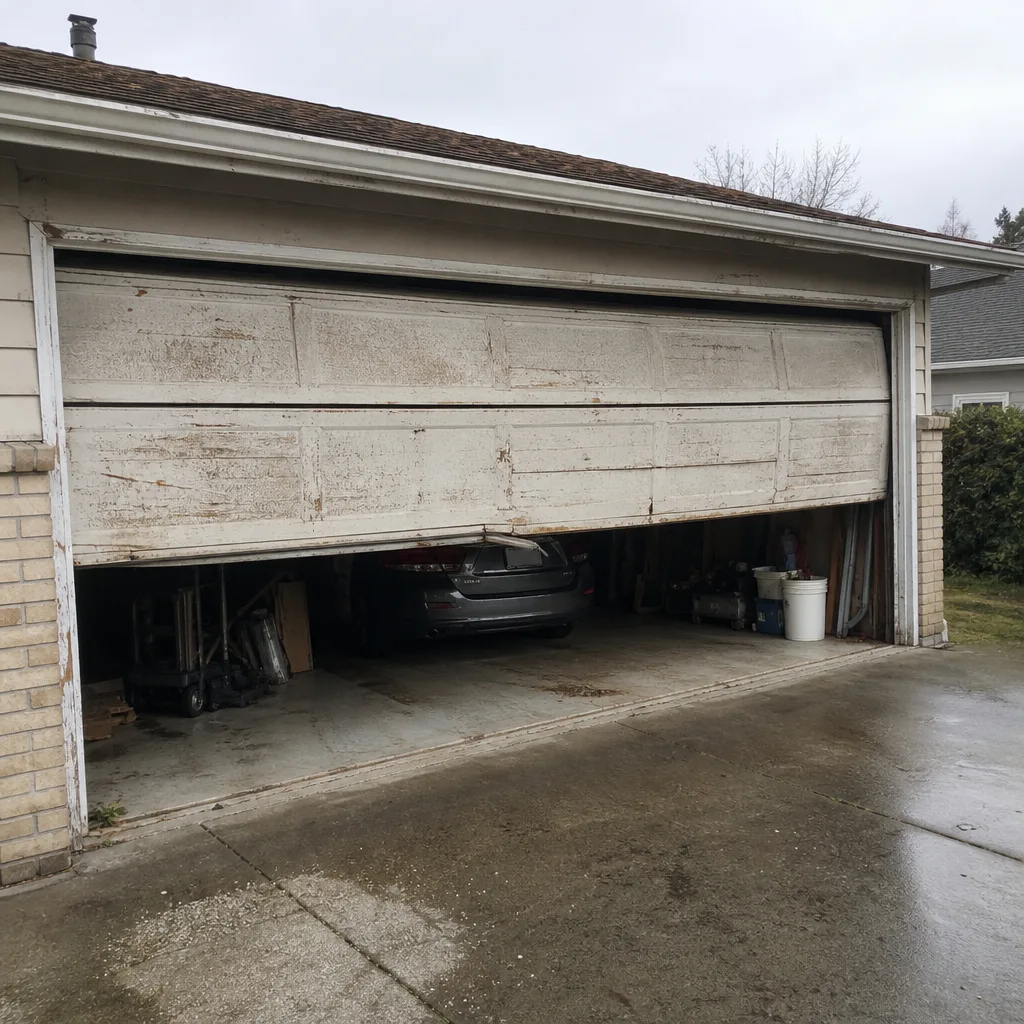 Before
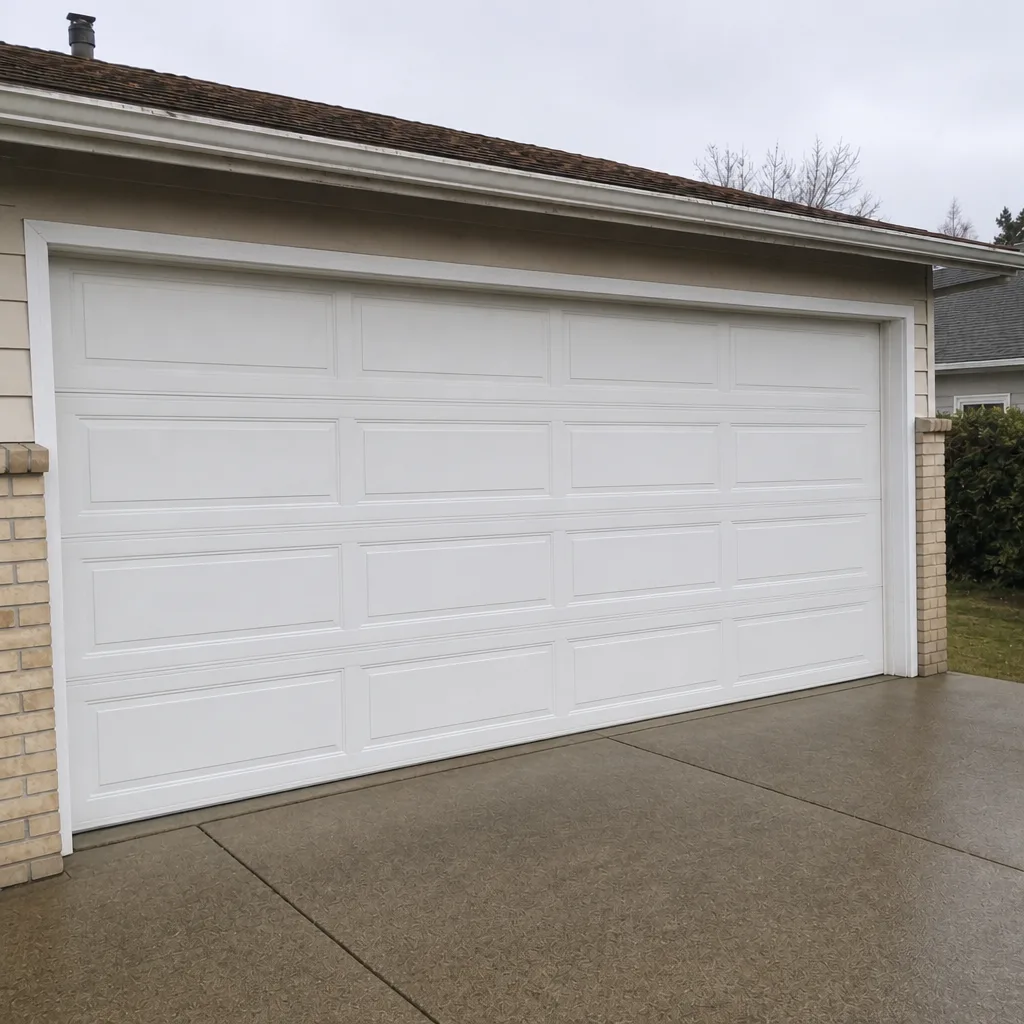 After
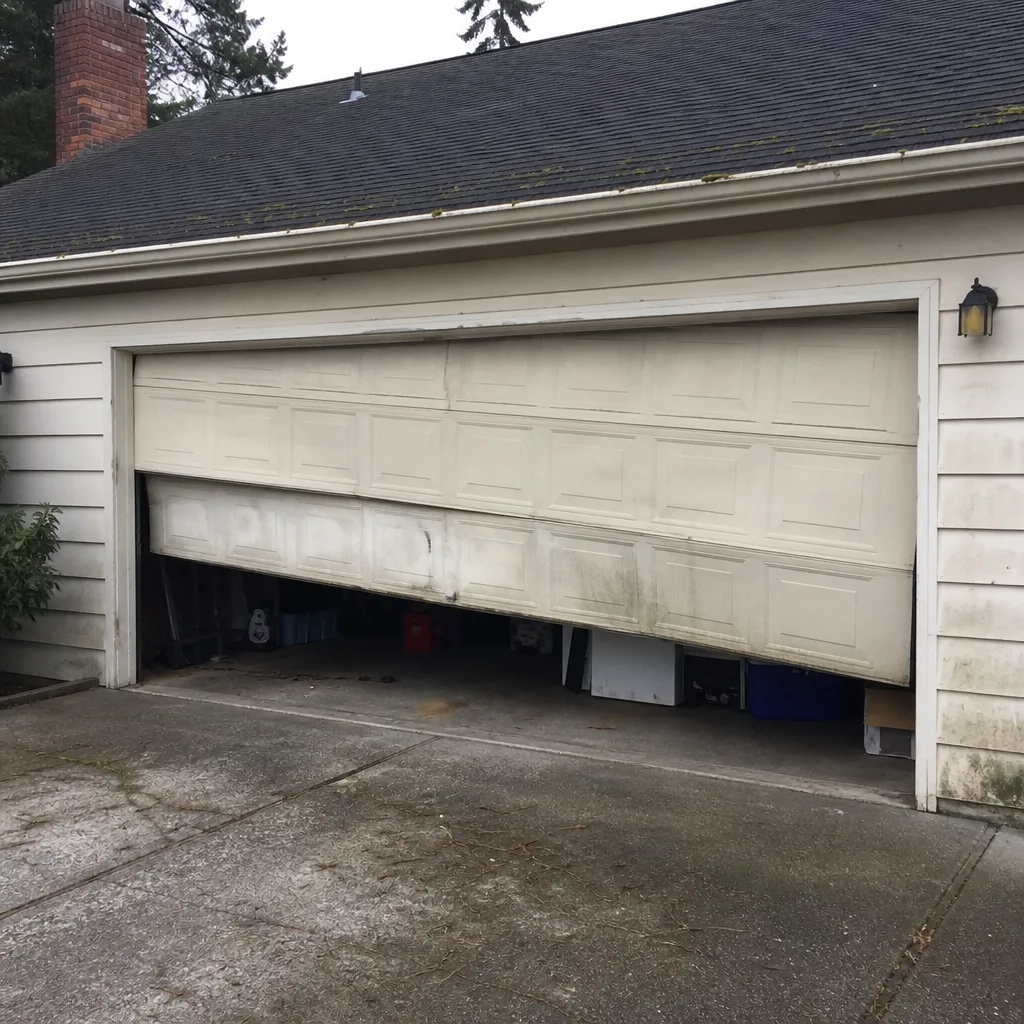 Before
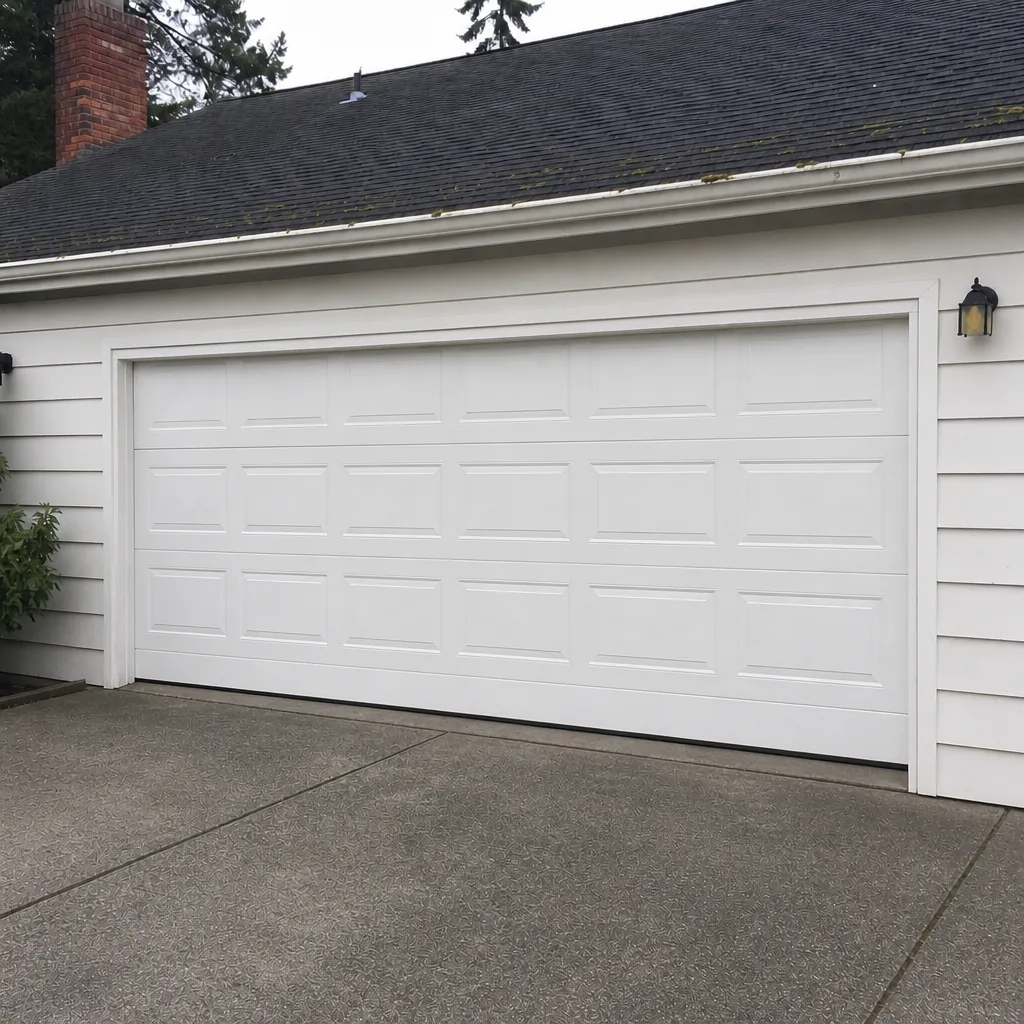 After
When to Call a Professional
Call a professional any time the spring system is involved, the door is off its tracks, or the opener won’t respond to a known-good remote and power. Spring replacement is a safety job regardless of which brand is on your door, whether it’s a Wayne Dalton, a Raynor, or a Clopay. If the door is stuck open and you can’t secure it safely from inside, that’s also a call-now situation. We’ve seen plenty of Northgate homes where a five-minute phone call and the right parts avoided a much longer wait. Garage Door Repair Northgate offers free estimates in Northgate. Call (844) 685-3487 to get a technician scheduled.
Frequently Asked Questions
A broken torsion spring usually shows a clean gap in the coil above the door, and the door won’t lift or feels impossibly heavy. You may hear a sharp crack from the garage when it goes. Extension springs often leave a dangling spring or visible gap along the side track. Either way, stop operating the door and call for repair. Call (844) 685-3487 for a free estimate.
Yes, if your door has a manual release and the spring system is intact. Pull the red cord only when the door is fully closed, then lift it slowly by hand. If it’s heavy or drops on its own, stop and call a technician. Call (844) 685-3487 to talk through your situation.
Secure the opening first, then diagnose. Lock the door from the inside if it has a manual lock, or brace the bottom panel from inside if you can’t lock it. Then check whether the sensors are blocked and whether the spring is intact. Call (844) 685-3487 for a same-day repair appointment.
Not usually. The cost depends on the underlying cause, not whether the door is up or down. A stuck-open door is often a sensor or track issue, which is typically a quicker fix than a broken spring. Get an estimate before work starts so you know the price. Call (844) 685-3487 for a free estimate.
Many modern openers, including LiftMaster and Chamberlain units, accept a battery backup that keeps the door operating during an outage. If yours doesn’t have one, you’ll need the manual release during a power outage. Test the backup once a season so it’s ready when you need it. Call (844) 685-3487 if you want a backup installed or checked.
Have your door width, spring type (torsion or extension), opener model number, and a clear description of what the door is doing. That information helps the technician bring the right parts and give you an accurate ETA. Call (844) 685-3487 and we’ll walk through it with you.
The Bottom Line
Garage door emergencies in Northgate fall into two directions, a door that won’t open and a door that won’t close, and each has its own first response. A door that won’t open is usually a spring or opener issue: stop operating it, secure the opening, and call. A door that won’t close is usually a sensor or track issue: clear the path, check the sensors, and secure the panel if it stays open. Learn the red cord protocol, test your backup battery, and have your door width and opener model ready before you call. Those four habits turn a panicked morning into a scheduled repair.
Written by the team at Garage Door Repair Northgate.