Last updated November 21, 2026
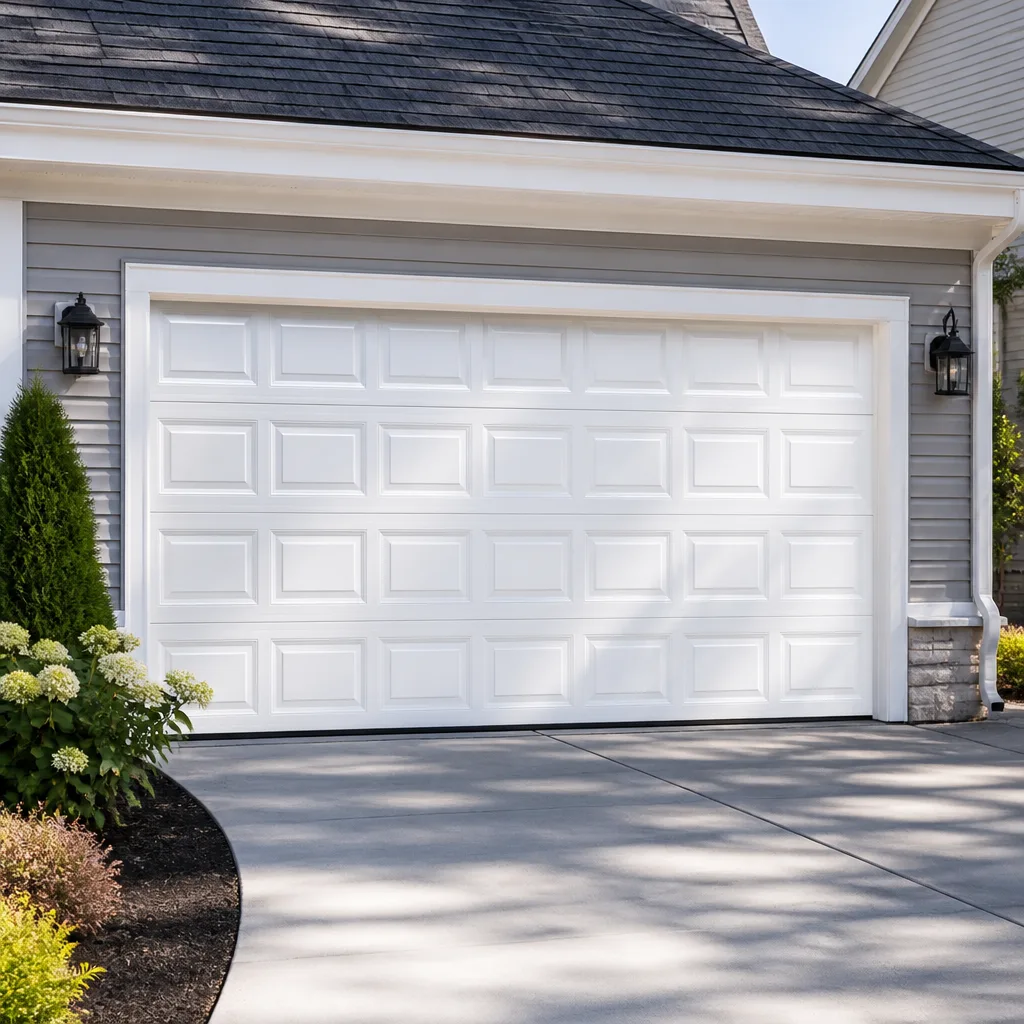 Raised-panel steel
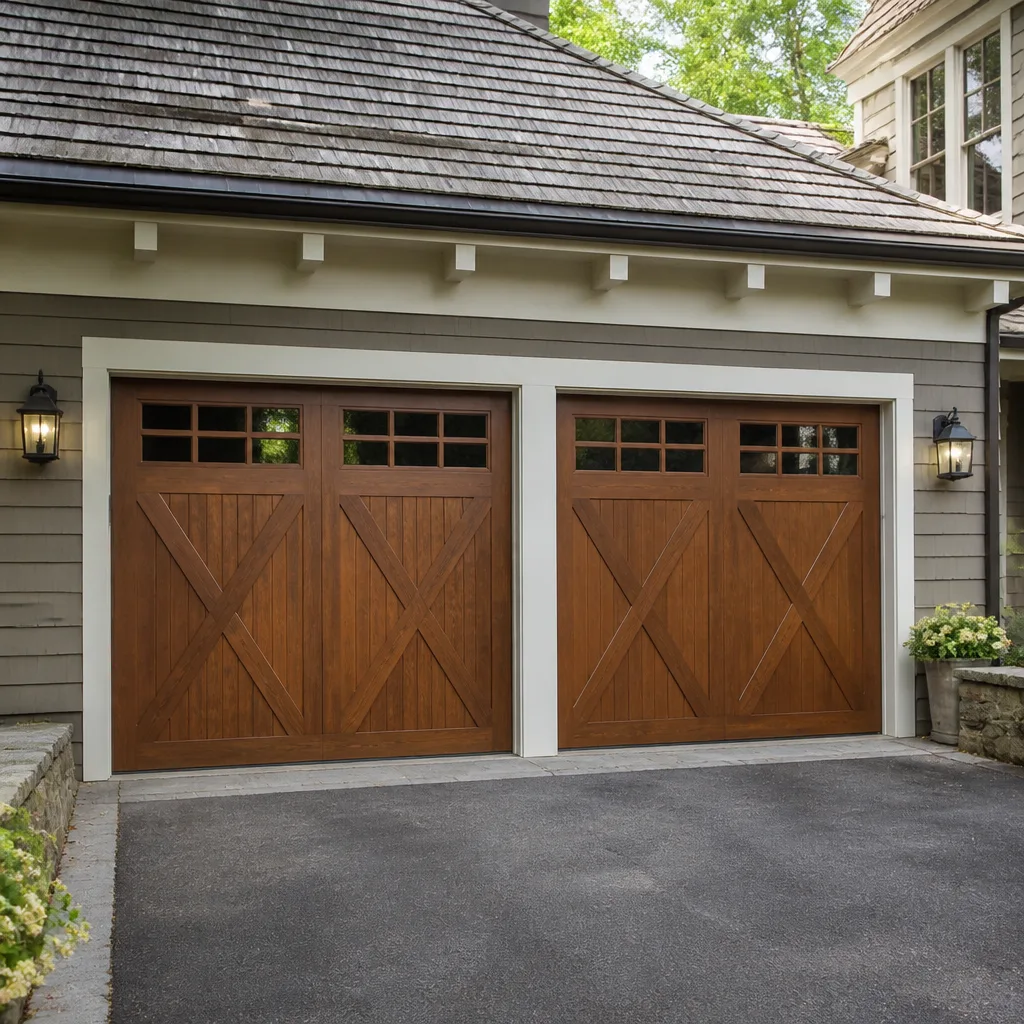 Carriage house
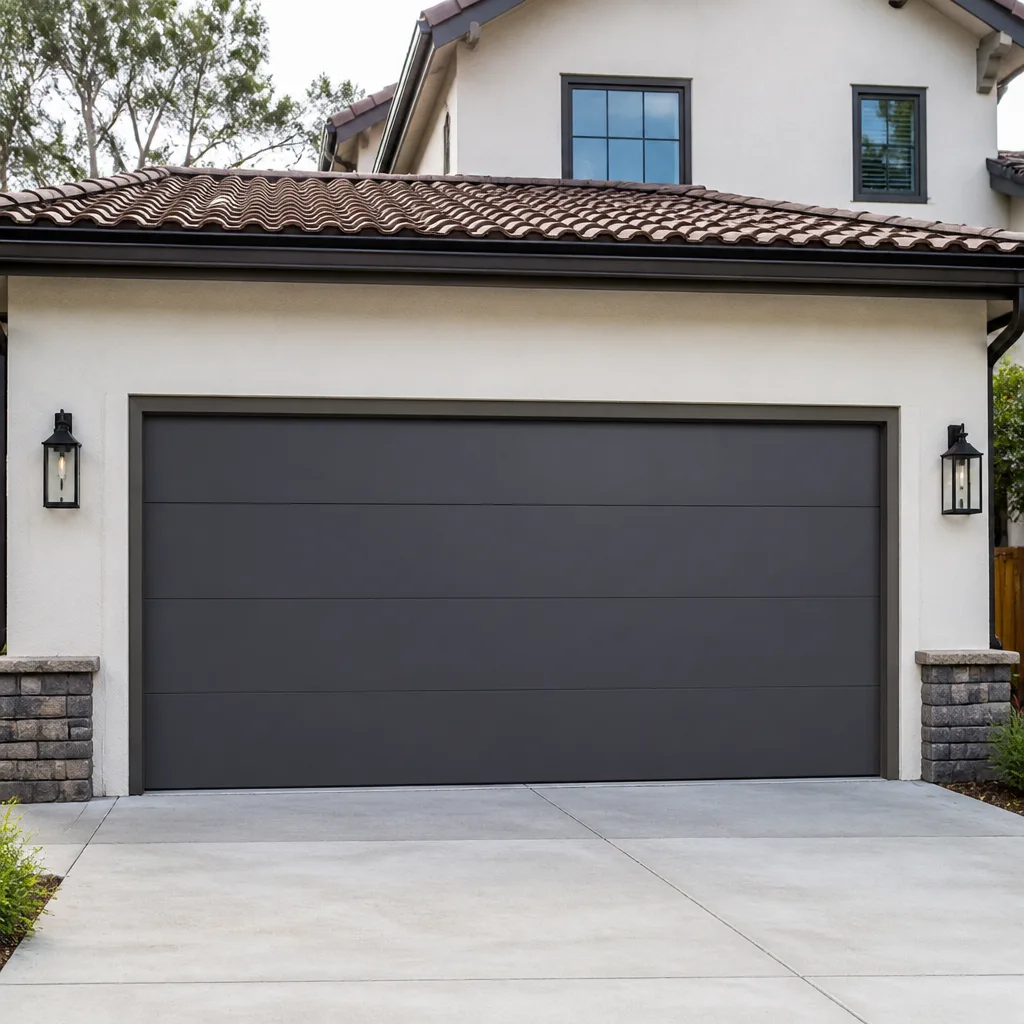 Modern flush
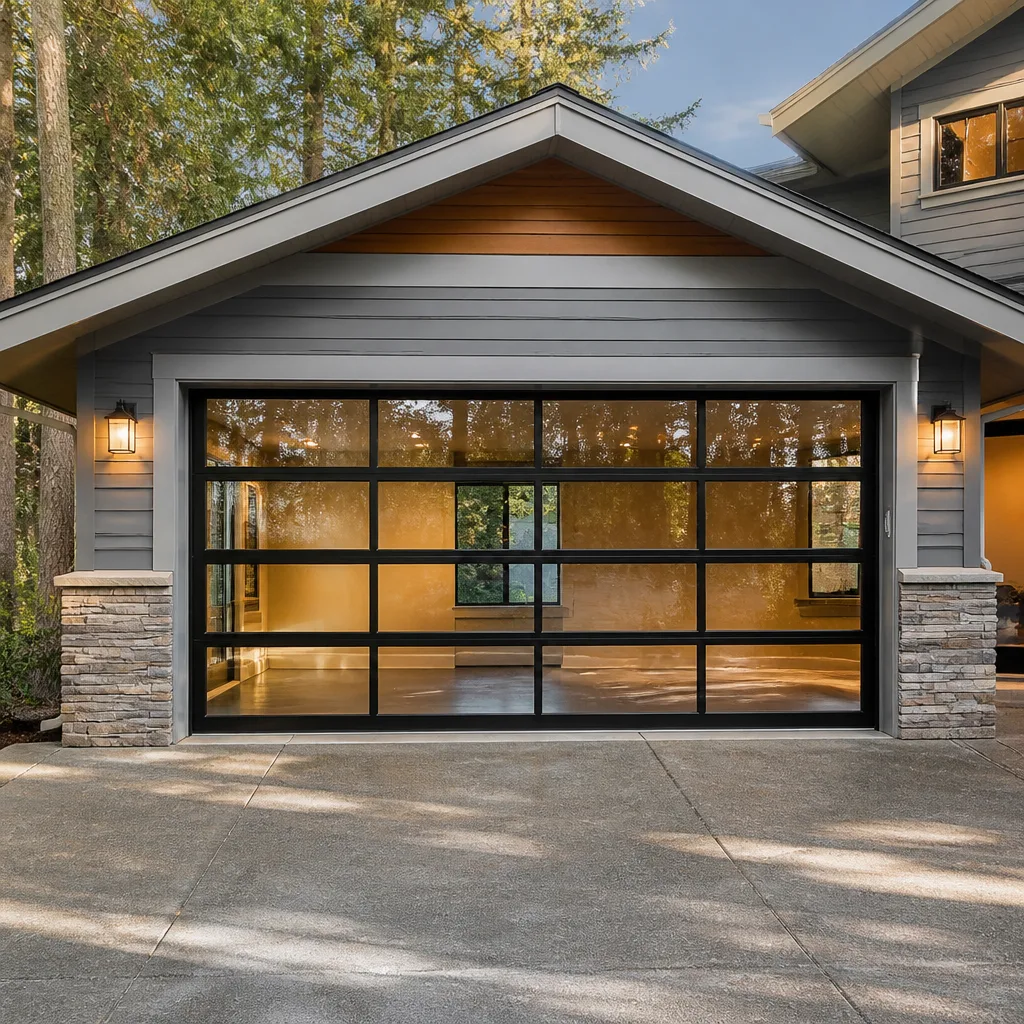 Full-view glass
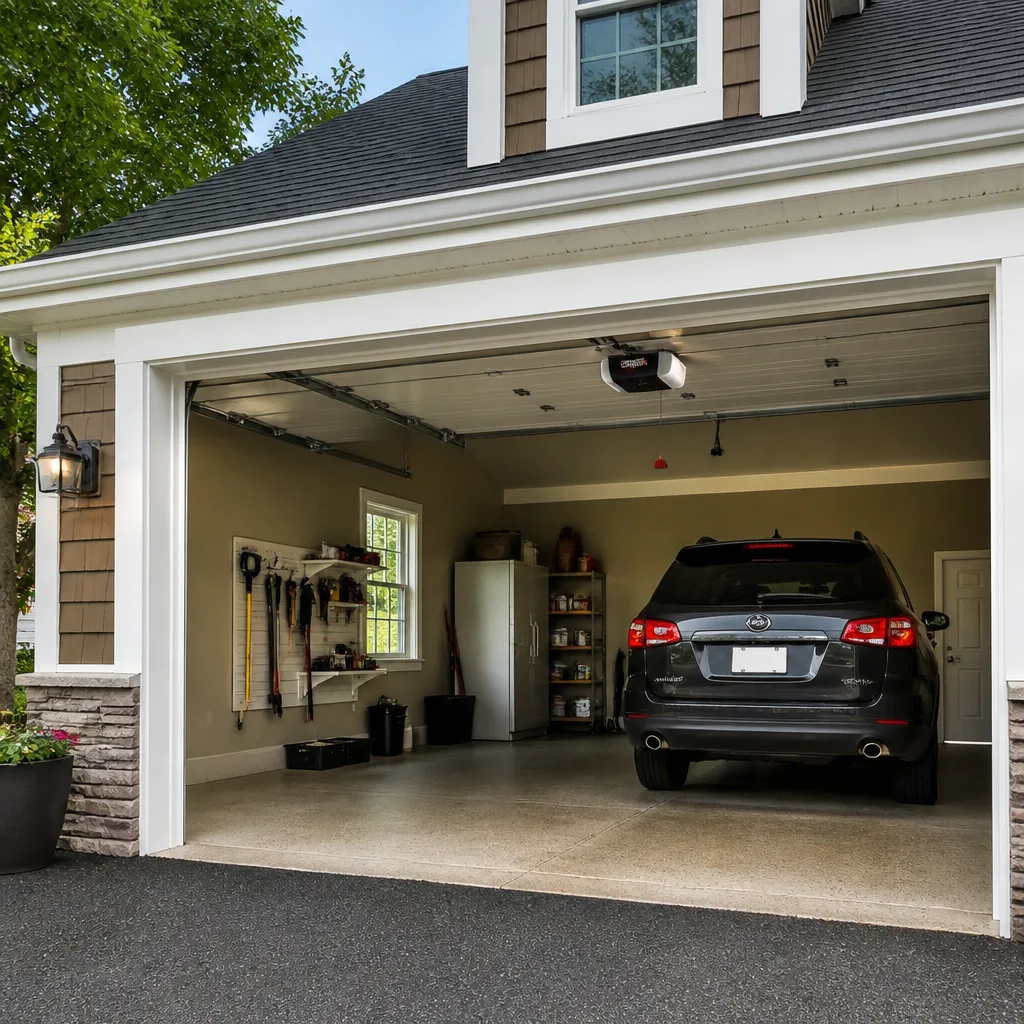 LiftMaster openers
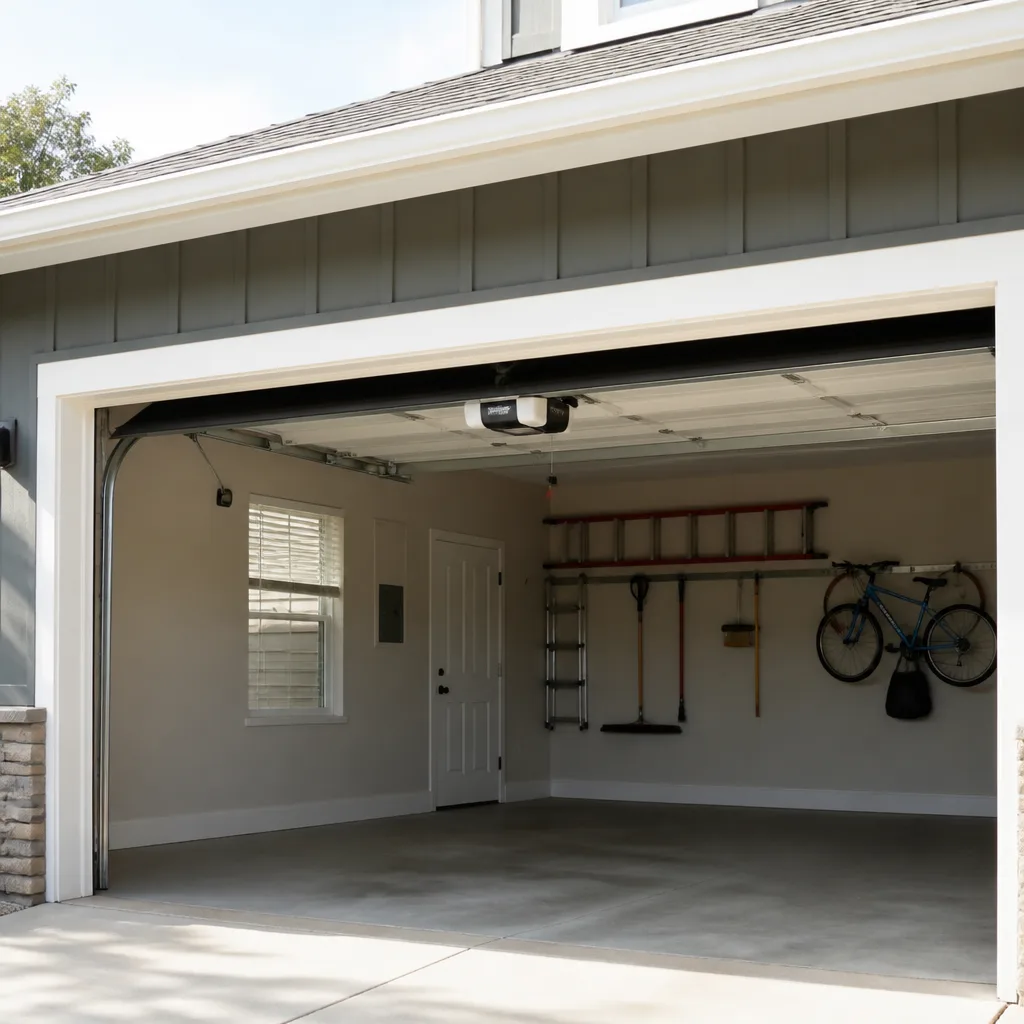 Chamberlain openers
Full 25-point door and opener safety check with every visit - springs, cables, rollers, tracks, and your LiftMaster or Chamberlain opener included
You get a price before we start. It does not change when the pro arrives.
Get your free estimateGarage Door Repair Maintenance Checklist for Northgate Homeowners
Most maintenance checklists tell you to “inspect your springs.” That’s like telling someone to “check the engine.” It’s not wrong, it’s just not useful. What you actually need to know is what failure looks like before it happens: the gap that signals a torsion spring is losing tension, the sound a failing roller makes at low speed, the specific point at which a frayed cable stops being safe. Northgate sits in a wet, cool corner of the Pacific Northwest, and that climate works on your door hardware in predictable ways. This guide gives you measurable thresholds and plain-English tests so you can catch wear while a repair is still small.
Quick Answer
A garage door maintenance checklist should cover five systems: springs, rollers, cables, weather seals and lubrication. Each one has a visible or audible failure sign you can check yourself in under ten minutes. Anything involving torsion springs or cables is a professional-only inspection because those parts hold extreme tension. For everything else, you can measure wear with your eyes, your hands and a flashlight.
Styles & brands we work with
- Raised-panel steel
- Carriage house
- Modern flush
- Full-view glass
- LiftMaster openers
- Chamberlain openers
Table of Contents
- Torsion Spring Inspection: What Wear Actually Looks Like
- Roller Wear by Material and the Wobble Test
- Weather Seals and PNW Rain Exposure
- Cable Fraying: The Replace-Now Threshold
- The Right Lubricant for the Right Component
- The Balance and Safety-Reverse Tests
- Opener Checks That Prevent Surprise Failures
- A Northgate Maintenance Schedule by Season
Torsion Spring Inspection: What Wear Actually Looks Like
A torsion spring that’s near end-of-life usually shows it before it snaps. You just need to know where to look. Start with the coil itself, wrapped around the shaft above your door. Look at the gaps between individual coils. A healthy spring sits with coils touching or nearly touching. As the steel fatigues, small gaps open up and stay open. A gap wider than roughly the thickness of a quarter, repeated down the coil, tells you the spring has stretched past its designed deflection and is losing lift.
Rust is the second signal, and it matters more in Northgate than in dry climates. Our wet winters push moisture into garages, especially on doors facing the weather side of the house. Surface rust is normal and harmless. What you’re watching for is pitting: rust that has eaten into the wire and left visible craters or flaking. Deep pitting on a torsion spring means the wire’s cross-section is thinning, and the spring is weaker than the door’s weight requires.
Then there’s the cycle count. Springs are rated by how many open-and-close cycles they’ll last. A standard spring rated at 10,000 cycles lasts about seven years on a door that cycles four times a day. A higher-rated 25,000-cycle spring stretches that to roughly seventeen years at the same usage. If you don’t know your spring’s rating, count your door’s daily cycles and compare. Two cars leaving and returning is four cycles a day. High-cycle springs are worth the upgrade for busy households.
One firm rule: never wind, unwind or handle a torsion spring yourself. The tension stored in a wound spring can cause serious injury in an instant. That’s a job for trained technicians with the right winding bars and a controlled procedure. When a technician from a garage door repair service inspects Northgate homes, they’ll measure coil gaps, check for pitting and tell you the remaining life in plain terms.
Roller Wear by Material and the Wobble Test
Rollers are the small wheels that run along the track. They wear out quietly, and a worn roller is one of the most common causes of a noisy or jerky door. Two materials matter here: nylon and steel.
- Nylon rollers run quieter and don’t need lubrication. They wear in a smooth, gradual way, usually flattening on one side as the bearing loosens. If you can spin a nylon roller and feel side-to-side play, the bearing is going.
- Steel rollers are heavier and noisier. They develop flat spots and rough edges as they wear against the track, and the bearings dry out over time.
The wobble test is the practical check. With the door about halfway up so there’s no spring tension on the rollers, grip each roller and try to rock it in its bracket. A healthy roller sits firm. If it rocks a few millimeters or the bracket itself shifts, that roller’s bearing is worn and will likely fail within a couple of months. A door with several loose rollers is a door that’s about to start jumping the track.
On the brands we see most often in Northgate garages, including Clopay and Amarr doors, roller replacement is quick and inexpensive compared with the damage a seized roller does to the track. If two or more rollers wobble, replace the set. If you’d rather not test with your hands near the door’s moving parts, that’s a sensible call; the technicians at Garage Door Repair Northgate can check the full roller set in one visit.
Weather Seals and PNW Rain Exposure
Northgate’s rain is steady and persistent rather than violent, and that’s exactly the kind of weather that wears out a bottom weather seal from the inside. The seal is the rubber strip at the base of the door that meets the floor. It keeps out water, drafts, leaves and the occasional ambitious slug.
A compression seal is functional when it squashes tightly against the floor along the door’s full width. To test yours, close the door fully and shine a flashlight along the bottom edge from inside, in a dark garage. Light showing under the door means the seal isn’t compressing against the floor. That’s your water-admitting condition. During a heavy Northgate rain, water will follow that light path underneath and pool on the floor.
Watch for these signs a seal has gone from functional to failing:
- Visible light or draft along the bottom edge
- Hard, cracked or brittle rubber, usually after a few winters
- A seal that’s torn or missing sections, letting water run straight in
- A gap that opens on one side because the door is out of level
Side and top seals wear too, especially on a door that’s exposed to wind-driven rain. They’re inexpensive to replace and easy to overlook. Keep an eye on the side seals where they meet the jamb, since that’s where water sneaks in behind the door. If you notice water in the garage or a persistent draft after a storm, a quick replacement of the bottom seal usually settles it. For repair jobs and seal replacements before the wet season, you can reach the team at garage door repair.
Cable Fraying: The Replace-Now Threshold
Cables hold the door’s weight and work alongside the springs. Over time, the steel strands fray as the cable runs back and forth over its drum. The sooner you spot fraying, the cheaper the fix, and it’s the difference between replacing a cable and replacing a whole door.
Most residential garage door cables are 7×19 aircraft cable, which means seven bundles of nineteen strands each. That structure makes it strong but also lets you count broken individual strands. Here’s the threshold rule we use:
- Look at the cable where it wraps around the drum and where it loops at the bottom bracket. Fraying usually starts at the point of most flex.
- Count broken individual strands in the most worn section. One or two broken strands on a bundle is a warning. Three or more broken strands, or any entire bundle broken, is a replace-now condition.
- Check for sharp ends (called “meat hooks”) sticking out of the cable. Even a single trip-wire strand means the cable has failed structurally and needs immediate replacement.
- If the cable is kinked, flattened or has a gap in the winding, replace it regardless of strand count.
Stop here and leave the cable alone beyond a visual check. Cables carry the door’s tension and a snapped cable can whip loose violently. That’s work for a trained technician. For a proper inspection, a garage door repair in Northgate visit gives you a documented look at both cables, the drums and the brackets in one pass.
The Right Lubricant for the Right Component
Lubrication is where most home checklist advice gets vague, so here’s the component-by-component breakdown. Using the wrong product is worse than using none, because it attracts dust that turns into grinding paste inside a hinge.
- Torsion springs, hinges and rollers (steel): white lithium grease. It’s thick, stays put, and handles the load points where springs wind and hinges pivot. Apply a thin coat, not a thick blob.
- Nylon rollers and tracks: silicone spray. Silicone is dry enough not to collect grit and won’t swell nylon. Spray a light film inside the track, never a wet coat.
- Spin hinges and stubborn pivot points: a few drops of 3-in-1 oil is fine for tight spots, a little at a time.
- Never use: WD-40 or cooking oil. WD-40 is a solvent, not a lasting lubricant, and cooking oil gums up and turns sticky.
Aim for a light, even coat rather than a heavy one. On the spring above the door, you can apply a thin film with a long brush, but stop there: don’t grip, wind or move the spring itself. Greasing the top and bottom of the spring while it’s disconnected from the door is a technician’s job. Doing this once a season on a Northgate door, especially before the damp months, keeps hinges quiet and rollers turning freely. If a hinge or pivot point is clearly seized or the door shudders as it opens, that points to something deeper, and garage door opener repair or a hinge replacement may be needed.
The Balance and Safety-Reverse Tests
Two tests catch most serious problems before they surprise you. Both take a minute and neither requires touching a spring or cable.
The balance test: open the door and stop it at the halfway point. A properly balanced door stays put at mid-height. If it drifts down on its own, the springs or cables are out of balance and pulling wrong. If it feels heavy to lift or slams down, don’t keep forcing it. That’s a sign of a failing spring or a stretched cable.
The safety-reverse test: with the door open, place a small object flat on the floor under the door’s path, then close the door using the wall control. The door should reverse on contact with the object. You can also test the obstruction sensor by passing an object through the light beam while the door is closing; the door should reverse immediately. If it doesn’t back off, that’s a safety failure and needs fixing before the door is used again.
If either test fails, that’s your prompt to stop using the door and book a check. A door that hasn’t reversed properly is a hazard to anyone walking through, pets included. The specs that keep a door operating safely are worth confirming, and the full range of services, including testing, is set out at garage door installation if you’re weighing a repair against an upgrade.
Opener Checks That Prevent Surprise Failures
Openers are the part of the system you interact with most, and the brands we work on most often in Northgate garages are LiftMaster, Chamberlain, Genie and Craftsman. A few routine checks keep them alive longer.
- Test the wall control and remotes. If one works and the other doesn’t, the problem is usually the remote’s battery or a safety sensor mismatch, not the motor.
- Check the safety sensors. The two small eyes near the floor should light steadily and face each other squarely. A flickering light means the beam is blocked or misaligned.
- Look at the chain or belt. A chain that sags noticeably or a belt that looks frayed will need attention. Slight slack and a little quiet play are normal.
- Listen for strain. A motor that grinds, groans or clicks at the end of travel is telling you something in the gear or limit switch is wearing.
If your door stops responding, or the opener moves the door a few inches and reverses, note whether the door feels balanced first. An unbalanced door can behave like a dead opener. If the door is balanced and the motor’s still failing, the opener is a specialist job across those brands and beyond. We work on the brand already in your garage, which matters when the unit is a Craftsman or Genie you can’t simply swap for whatever’s on a shelf.
A Northgate Maintenance Schedule by Season
Our wet, cool climate sets the rhythm here. Spread these checks over a year and no single visit takes long. It’s a walkthrough lifestyle, not a chore list.
- Early fall: test the bottom weather seal before the rain settles in. Carry out the balance and safety-reverse tests. Look at cable fraying at the drum and bottom bracket.
- Late fall: lubricate hinges, steel rollers and track with the right product for each. Clear leaves and grit from the track and the sensor area.
- Midwinter: a quick visual scan of springs for new gaps or rust pitting. Check that the door still reverses on obstruction, since cold can stiffen seals and stops.
- Spring: test rollers with the wobble test, check the opener’s chain or belt, and clean the sensors. This is a good time to note whether the weather seal survived the wet months.
- Summer: the dry stretch is a good time for a full visual inspection and for measuring any change in spring gaps.
Keeping notes helps. Jot the date and any gap or wobble you noticed so you can compare next season. A part that looked fine last fall and looks rough now is telling you its end-of-life is near.
Common Mistakes to Avoid
- Greasing a torsion spring with the wrong product. Heavy grease on a spring is tempting, but the wrong lubricants collect grit and accelerate wear at the pivot points. White lithium in a thin coat is the standard.
- Spraying WD-40 into hinges and calling it maintenance. WD-40 is a solvent, not a lasting lubricant. It cleans and displaces water briefly, then leaves the hinge dry and grinding.
- Testing a cable by tugging on it. Cables carry the door’s full tension. A visual strand count is safe; pulling a cable by hand is not. Leave cable inspection to a trained technician.
- Assuming a quiet door is a healthy door. A door that suddenly gets quieter or feels heavier often has a failing spring or cable. Noise isn’t the only signal; changes in how the door moves matter too.
- Ignoring the bottom seal until the garage floods. In Northgate’s wet winters, a small unnoticed gap along the floor admits water and drafts before you’d think to look.
- Ignoring a failed safety-reverse test. If the door doesn’t reverse on obstruction, that’s a real hazard, not a minor annoyance. Stop using the door until it’s fixed.
- Replacing a whole door when a component failed. A single failed spring, cable or roller rarely means the whole door is done. Get an assessment before you assume the big-ticket replacement.
See the difference
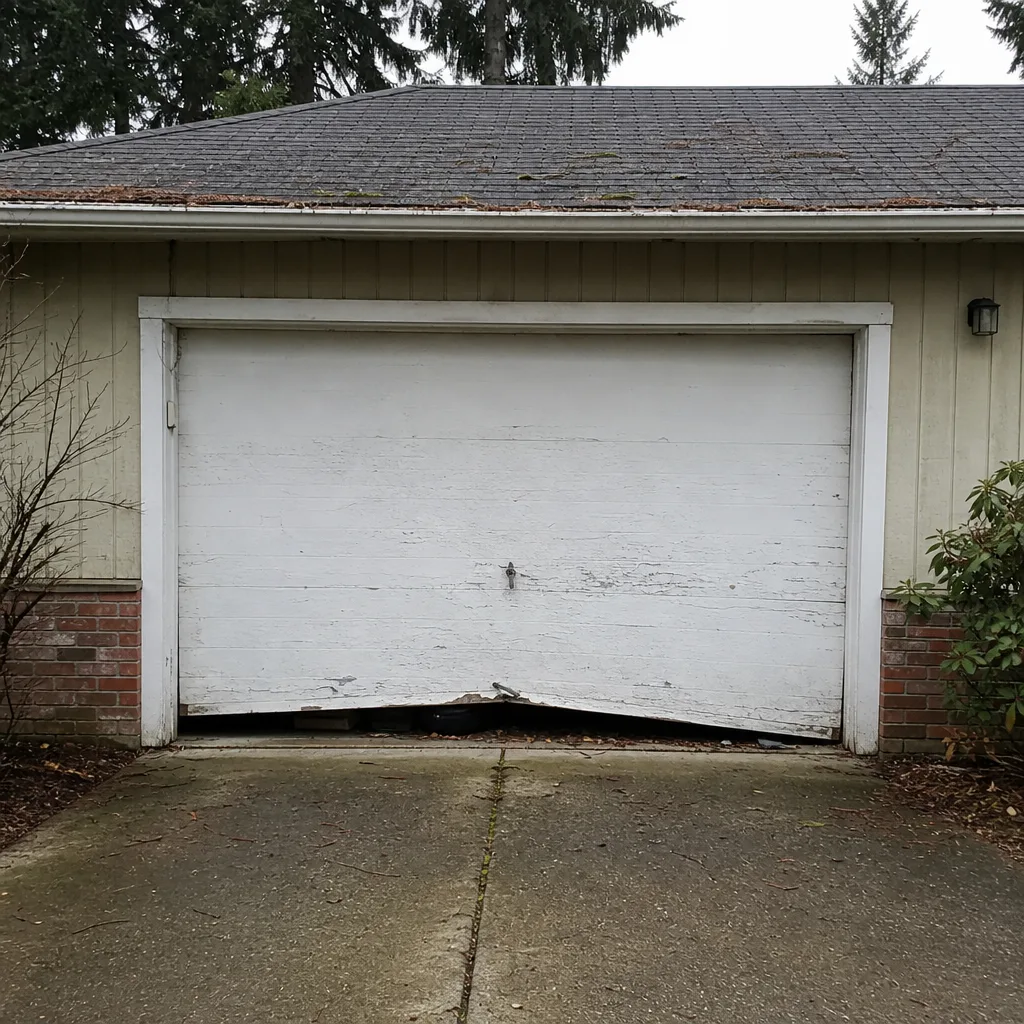 Before
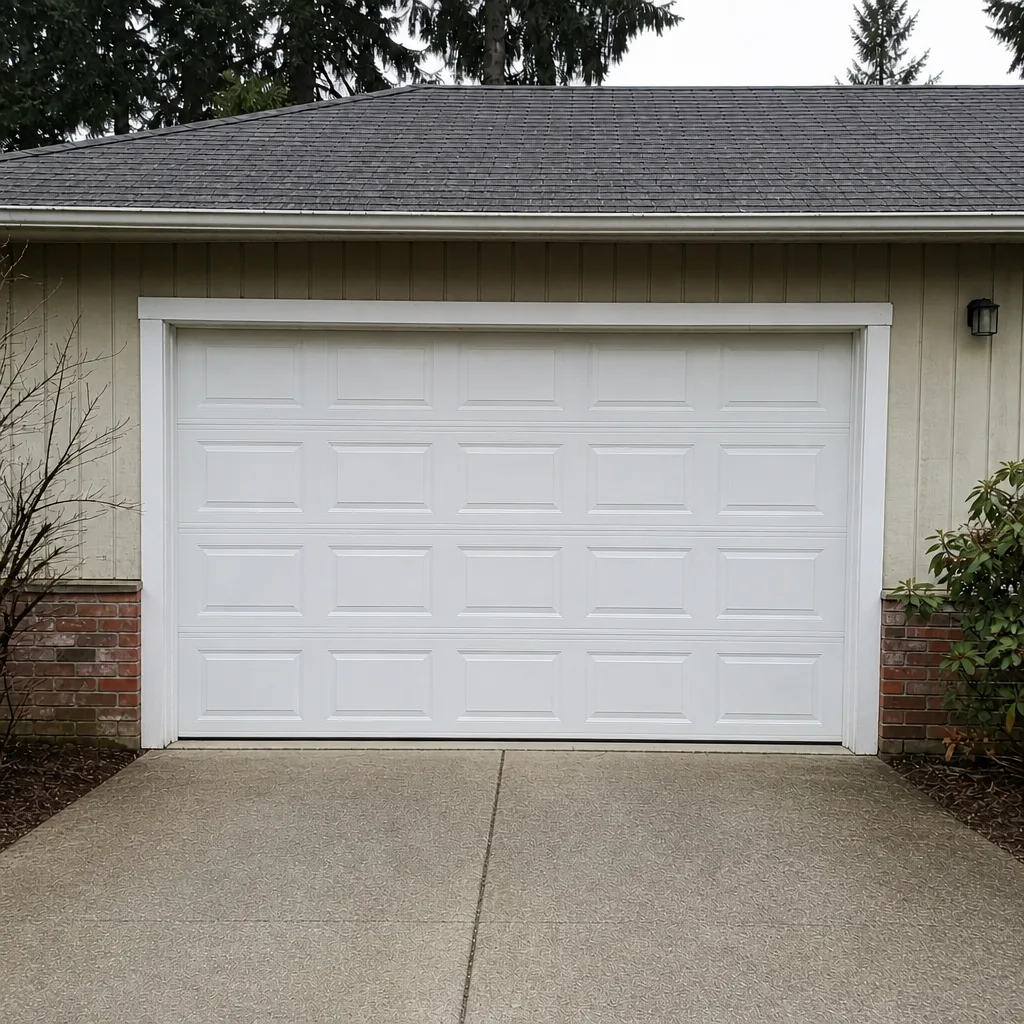 After
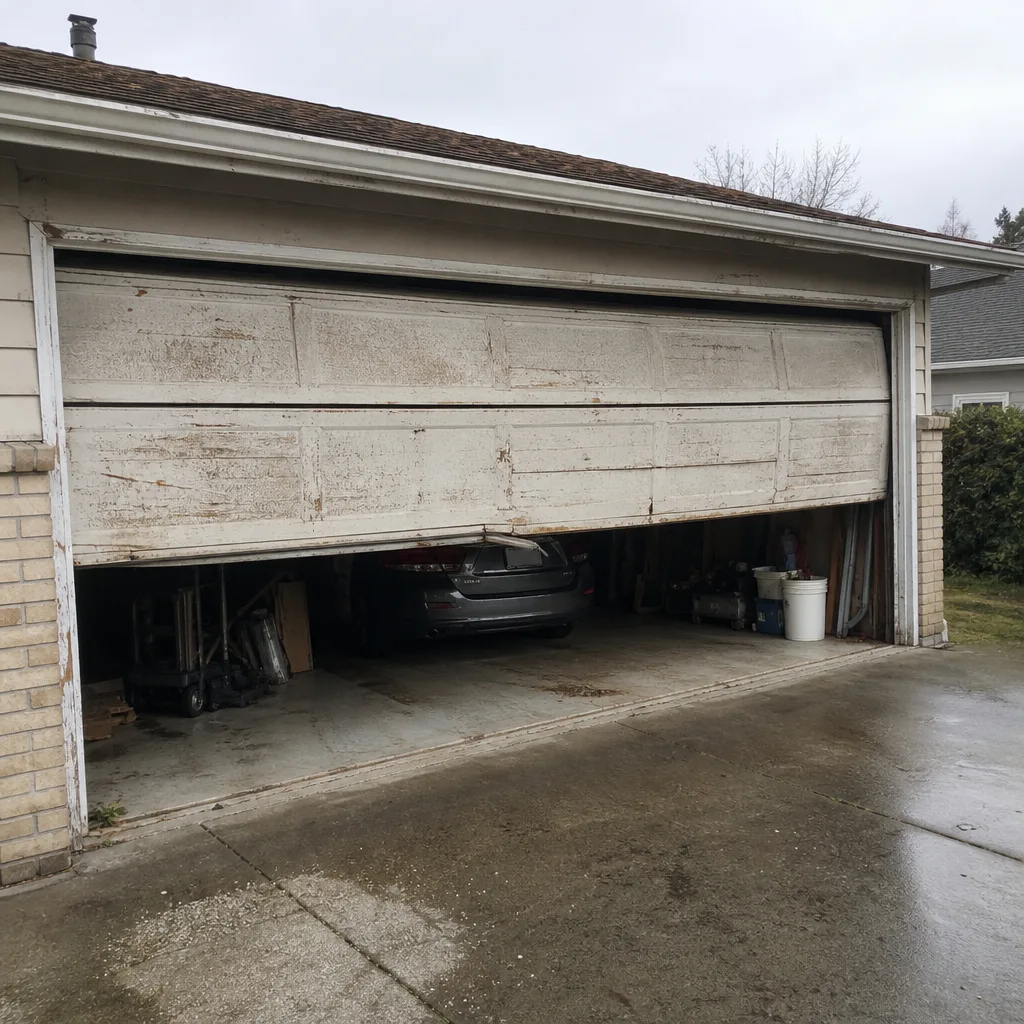 Before
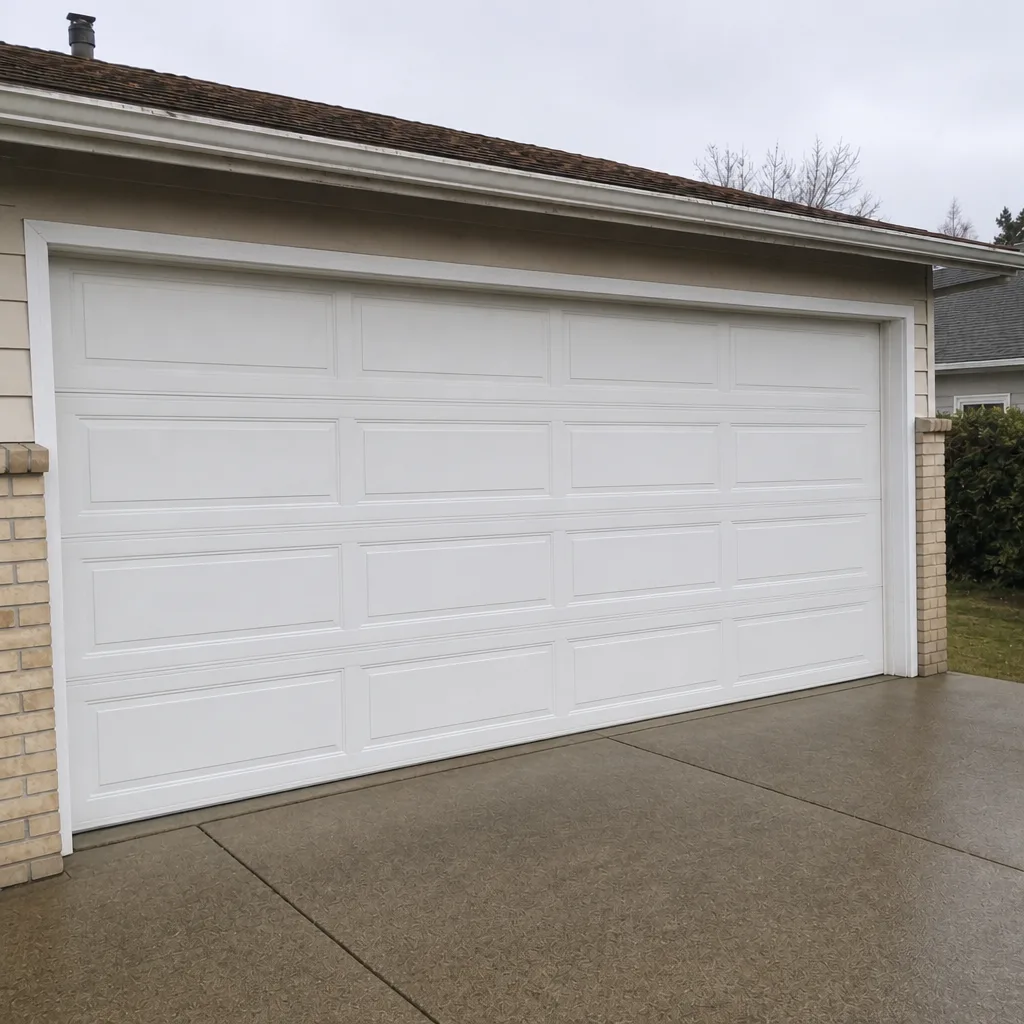 After
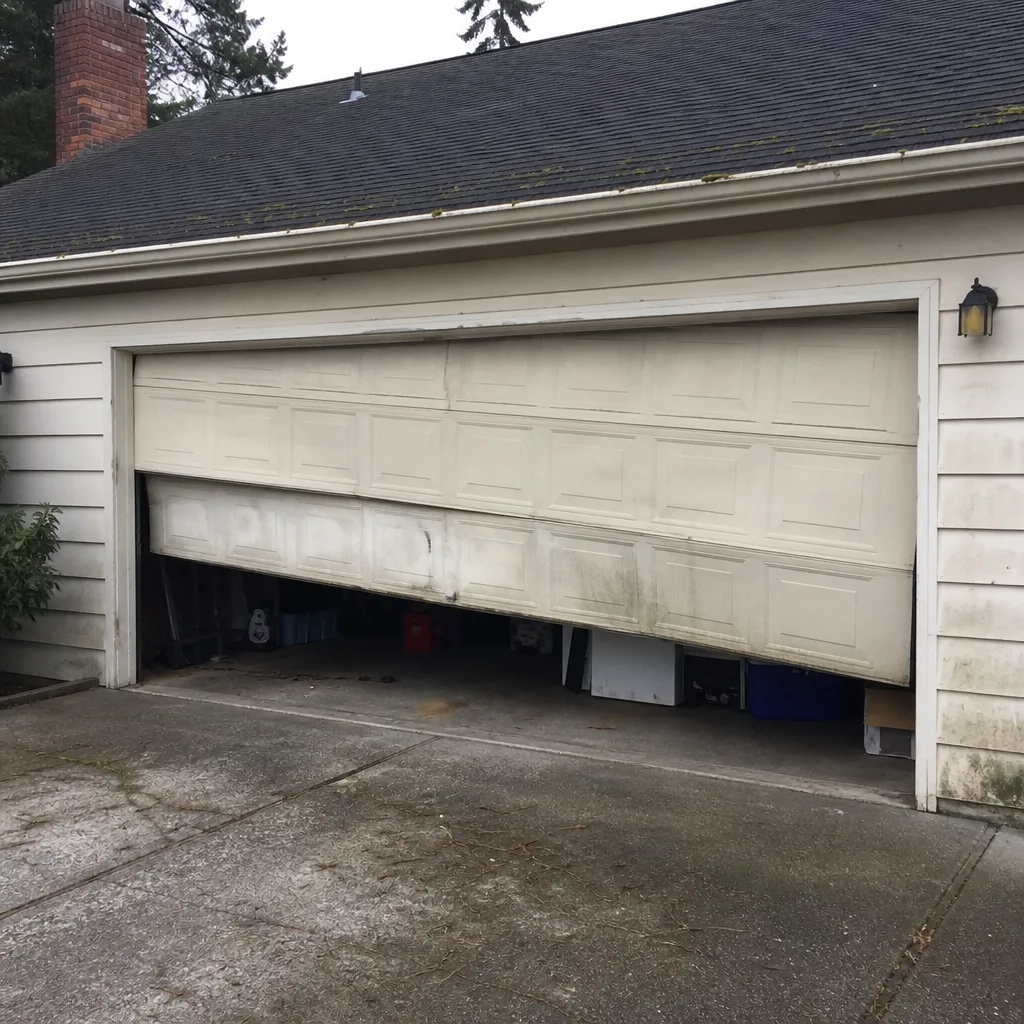 Before
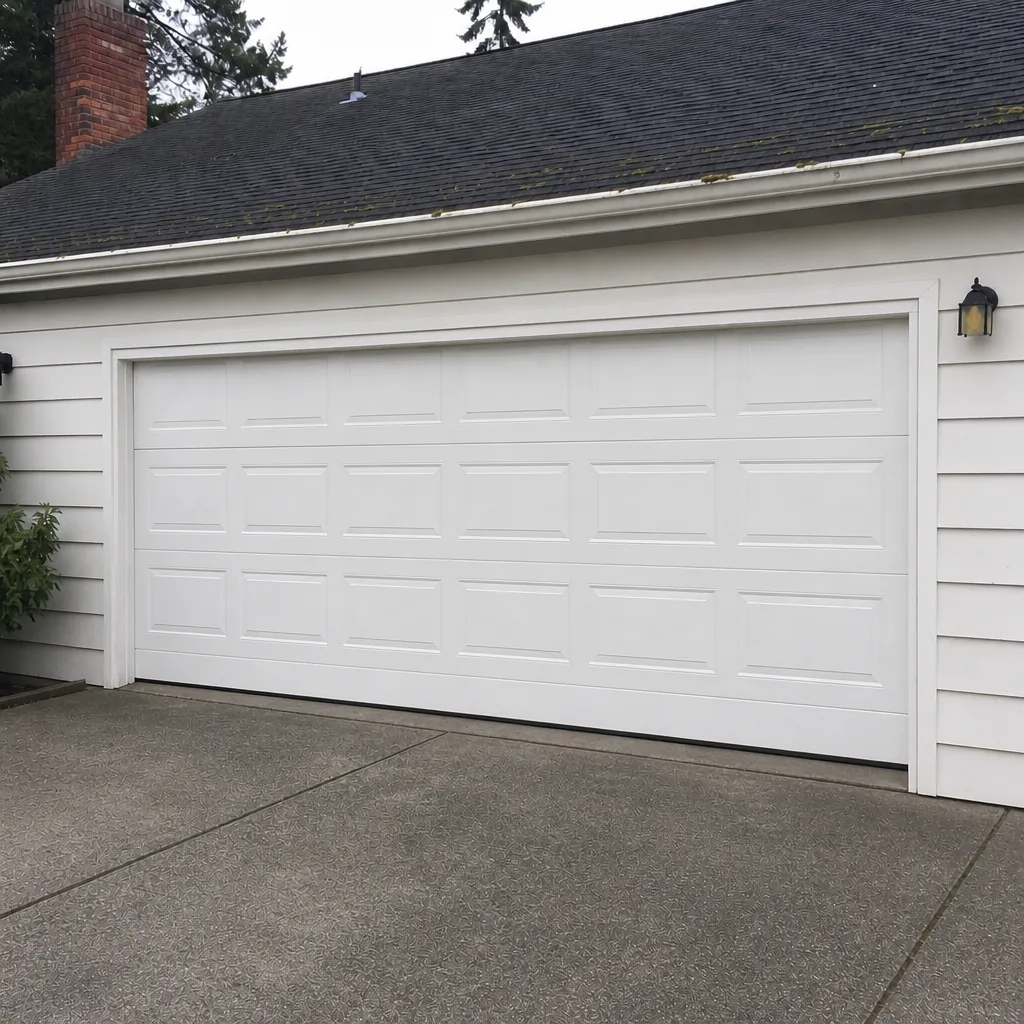 After
When to Call a Professional
Call us for anything involving torsion springs, cables, or a door that won’t balance or reverse. Those parts sit under extreme tension, and the risk in handling them doesn’t match the cost of a proper repair. Call if you find three or more broken cable strands, a coil gap that’s widened over a season, deep rust pitting on a spring, or a door that’s started to jump its track. Call if your opener runs but the door doesn’t move evenly, or if a safety-reverse test fails. We also handle weather-seal replacement and full roller sets when you’d rather have it done in one pass. Garage Door Repair Northgate offers free estimates in Northgate – call (844) 685-3487. Our technicians have up to 13 years of experience, and we cover the full service arc from spring repair to a complete new-door replacement.
Frequently Asked Questions
Once a season is enough for most homes. A fresh visual check of springs, cables, rollers and the bottom seal every few months catches wear early. Northgate’s wet climate makes the fall check the most important one, since that’s when seals and tracks take on the most moisture.
You can apply a light coat of white lithium grease to a torsion spring with a long brush, but you should never wind, unwind or handle the spring with your hands. The tension stored in a wound spring is a serious hazard. Anything beyond a light exterior coat belongs to a trained technician.
Look for two signs: repeated gaps between coils wider than a quarter at their narrowest, and rust that’s pitted the wire rather than just sitting on the surface. Either one means the spring is weakening. A technician can measure the remaining life and confirm whether a replacement is due.
A failing roller clicks or scrapes as it rolls over the track, or the door shudders at the same spot each time it moves. A worn bearing feels loose when you rock the roller in its bracket. If it wobbles, plan on a replacement soon.
A visual check is safe: look at the drum and bottom bracket and count broken strands. What isn’t safe is touching, tugging or trying to adjust a cable. Three or more broken strands or any sharp protruding ends mean you should book a replacement.
Yes, the persistent rain and cool temperatures speed up seal wear compared with a dry climate. Seals harden, crack and lose compression sooner. Inspect your bottom seal before each wet season by testing for light under the door in a dark garage. Call (844) 685-3487 for a free estimate on a full seal replacement.
The Bottom Line
A good maintenance checklist doesn’t just say “inspect”; it gives you a threshold to measure. Watch for coil gaps and rust pitting on springs, wobble in rollers, broken cable strands past three, and light or draft under a bottom seal. Match the right lubricant to each component and run the balance and safety-reverse tests each season. In Northgate’s wet climate, the fall inspection matters most because that’s when seals and tracks take on the most moisture. Check what you can safely see, and hand the rest to trained technicians – the dangers in springs and cables aren’t worth testing.
Contact Us
If this checklist turned up something that needs a closer look in Northgate, don’t force a door that’s still giving trouble. Call Garage Door Repair Northgate at (844) 685-3487 for a free estimate. We’ll assess the springs, cables, rollers, seals and opener, and give you pricing quoted and agreed before any work starts – so you know the price before we begin.
Written by the team at Garage Door Repair Northgate.