Last updated November 21, 2026
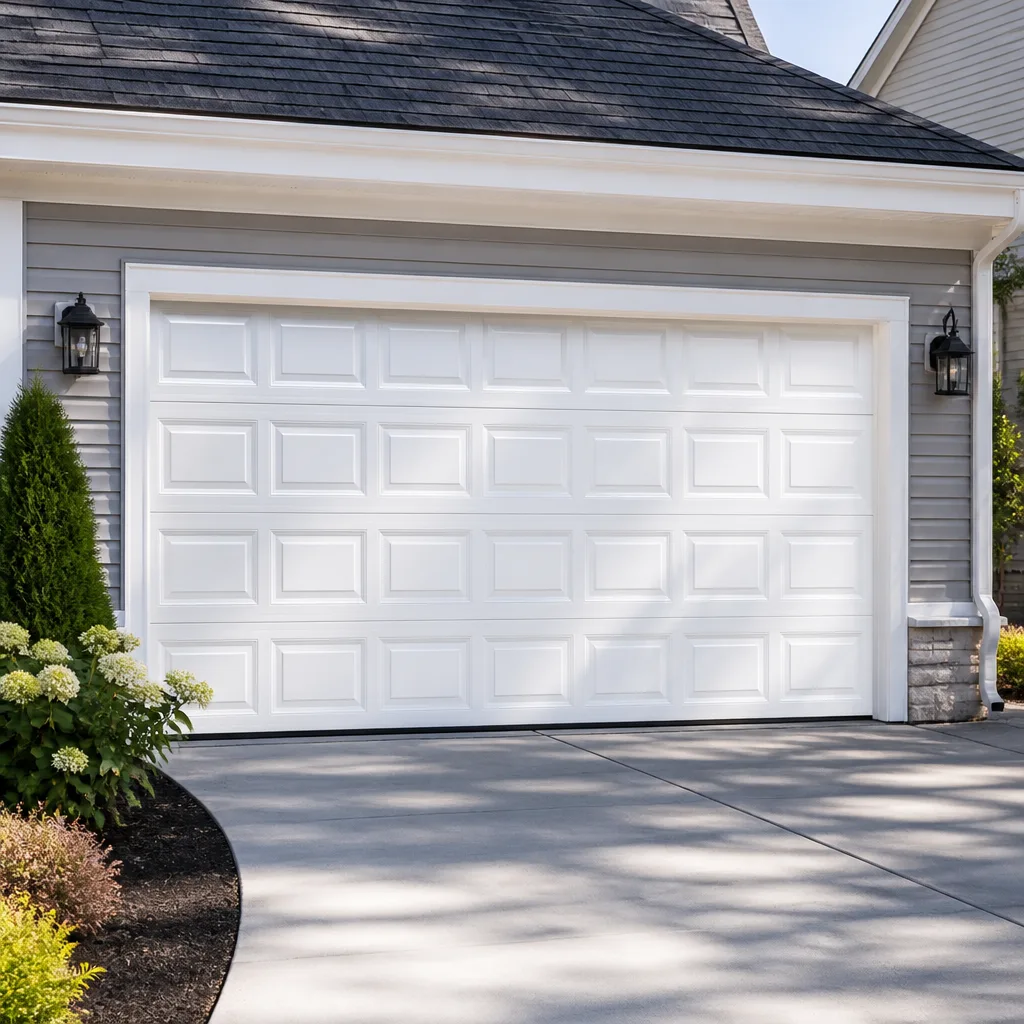 Raised-panel steel
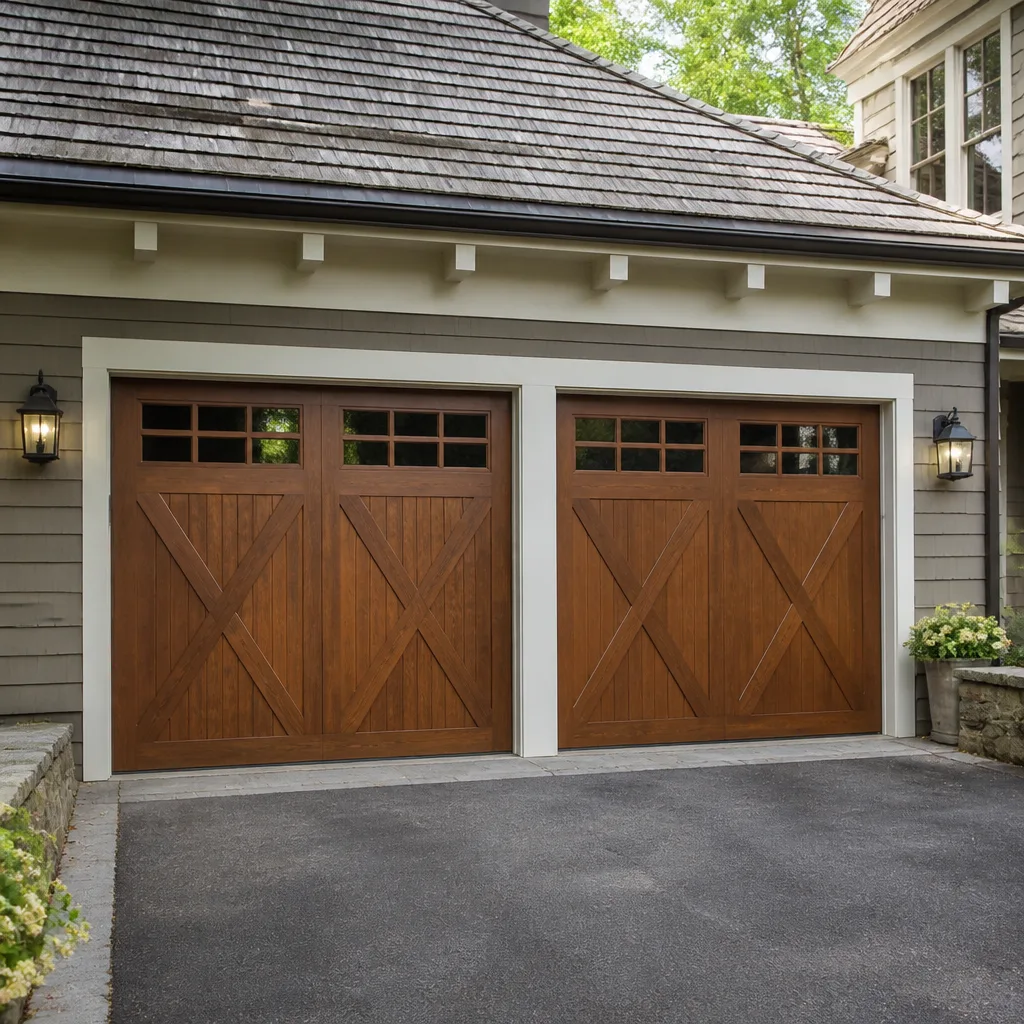 Carriage house
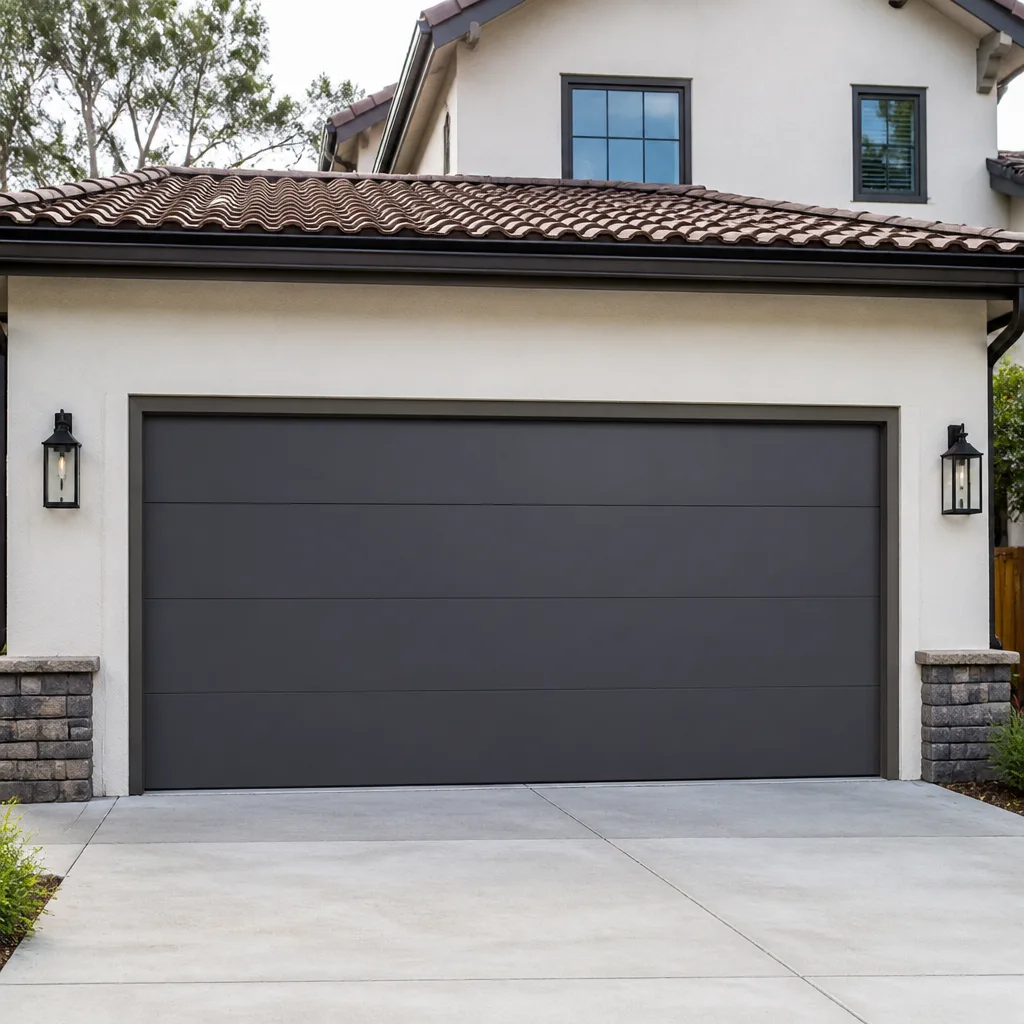 Modern flush
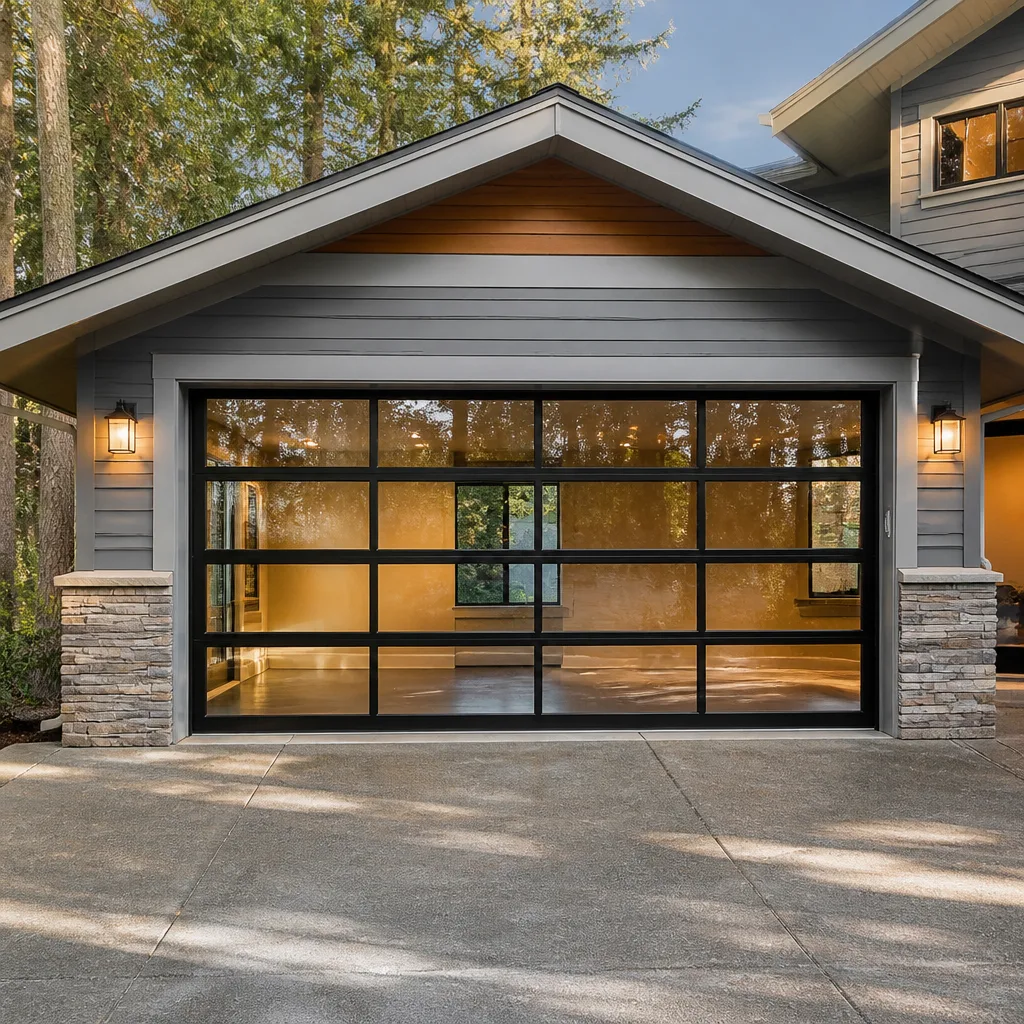 Full-view glass
 LiftMaster openers
 Chamberlain openers
Full 25-point door and opener safety check with every visit - springs, cables, rollers, tracks, and your LiftMaster or Chamberlain opener included
You get a price before we start. It does not change when the pro arrives.
Get your free estimateGarage Door Warning Signs: A Northgate Homeowner’s Reference Guide
A grinding noise during the last six inches of closing gets called a “door problem” by nearly everyone who hears it. It rarely is. That specific sound almost always traces to a worn roller bearing on the bottom bracket, and knowing the difference between that and a track misalignment often separates a small parts swap from a bigger repair. The gap between those two outcomes usually comes down to one thing: whether the homeowner knew what the signal meant before it got worse. This guide is built to close that gap. We walk through the sounds, the visual tells, the opener behaviors, and the frame signals that point to a specific component, so you can describe what’s happening accurately and act before a warning turns into an emergency. We’ve worked on doors across Northgate long enough to know which symptoms people dismiss and which ones they should not.
Quick Answer
Garage door warning signs fall into four categories: unusual sounds (grinding, squealing, popping, slapping), visual spring damage (rust streaking, a gap in a closed coil, uneven lean), opener misbehavior (reversing without obstruction, shrinking remote range, hesitation before moving), and frame or panel signals (daylight around the frame, rattling in wind, water staining beneath a panel joint). Each category maps to a different set of components, and the urgency varies widely depending on which one you’re seeing. A grinding roller is usually a modest fix; a spring with a visible gap is a safety issue that needs immediate professional attention.
Styles & brands we work with
- Raised-panel steel
- Carriage house
- Modern flush
- Full-view glass
- LiftMaster openers
- Chamberlain openers
Table of Contents
- Sound-to-Component Diagnostic Index
- Visual Tells on Springs
- Opener Behavior Flags
- Panel and Frame Signals
- The Monthly Safety Test Every Northgate Homeowner Should Run
- Which Warnings Are Urgent and Which Can Wait
- Common Mistakes to Avoid
- When to Call a Professional
What Does Each Garage Door Noise Actually Mean?
Every sound a garage door makes points to a specific part, and the part determines the urgency. Here’s how we translate the four most common complaints into what’s actually happening.
- Grinding: Almost always a worn roller bearing, especially a bottom-bracket roller that’s seen more cycles than the rest. A metal-on-metal grind that happens at the same point in travel each time is the classic signature. This is usually the least urgent of the four, but left alone the friction can strain the opener.
- Squealing: Lack of lubrication at a hinge or roller, or a dry torsion spring coil that needs a proper lubricant. Squealing is a maintenance signal, not usually a failure signal, though persistent squealing from one spot can mean a bearing is on its way out.
- Popping: Loose hardware (hinge bolts, bracket screws backing out), or a torsion spring with a small fracture in the coil. Popping from a spring area is the one to take seriously. Stop using the door and have it looked at.
- Slapping: Loose panels, worn rollers allowing lateral movement, or a misaligned track causing the door to jump. Slapping often comes with visible shaking and should be diagnosed soon because the movement wears the hardware faster.
In our experience, the fastest way to describe a problem accurately for a service call is to say which sound it is and when it happens in the travel of the door. “Grinding on the last six inches of closing” tells us more than “the door is noisy.” For a full diagnostic walkthrough, our garage door repair page covers how we approach each system. Northgate homes with older steel doors tend to produce more grinding complaints in winter, when cold stiffens lubricant and the bottom rollers take more load.
What Do Rust Streaks and Uneven Lean Tell You About Your Springs?
A rust streak below the coils, a visible gap in a closed coil, or an uneven door lean when stopped mid-travel each point to a torsion or extension spring under stress. Springs are the single most dangerous component on a garage door, and the visual tells rarely lie.
Torsion springs sit above the door on a steel shaft, wound tight and holding the weight of the entire door. Extension springs stretch along the horizontal tracks on either side. Either type can fail, and a failed spring makes the door extremely heavy or stops it from moving altogether. Here’s what the three visual signals mean:
- Rust streaking below the coil: Corrosion is thinning the steel. Springs in Northgate garages see moisture from our damp fall and winter cycles, and rust is often the earliest visible sign of a spring nearing failure. If you see orange-brown streaks running down the wall or door hardware directly under a spring, have it inspected.
- Visible gap in a closed coil: A torsion spring should have tightly packed coils when the door is down. A gap means the metal has cracked and the spring has lost tension. This is not a “keep using it until it fails” situation. It’s a stop-use situation.
- Uneven lean when stopped mid-travel: A door stopped halfway that leans to one side is a sign of uneven spring tension. Either a spring has weakened or one side of the system has slipped. Do not operate the door repeatedly to test it.
Spring replacement is a professional-only, safety-critical job. Torsion springs carry enough stored energy to cause serious injury in a failure, and the winding process requires specific tools and training. We say this without hedging because it matters. If you see any of these three signs, call a technician rather than attempting to lift, wind, or “help” the door yourself. Northgate homeowners with doors built before the mid-2000s should check their springs at least every six months, since older steel and quieter-use doors can hide rust development longer.
What Opener Behaviors Mean the Unit Is Failing?
A door that reverses without an obstruction, a remote that used to work from the driveway and now only works from inside the garage, or a door that hesitates before moving all point to specific opener faults that are usually diagnosable. Here’s what each behavior suggests.
- Door reverses immediately or mid-travel with nothing in the way: The force limit setting is off, or the opener’s internal force sensor has drifted. This is a safety compliance issue; a door that reverses incorrectly can fail to reverse when it should.
- Remote range is degrading: Weak batteries are the first thing to check. If fresh batteries don’t restore range, the antenna wire may be damaged, or the wall console or logic board is losing signal strength. Older units from Craftsman, Genie, and similar brands commonly show this as they age.
- Door hesitates before moving: On older openers, a failing starting capacitor is the usual culprit. The unit tries to start, strains, and catches on the second or third attempt. This is a repair question, not a replacement question, on most units.
We work on the brand already in your garage. That matters for openers because the logic boards, force sensors, and remote platforms differ significantly between manufacturers. Our garage door opener repair covers the most common residential platforms, and our technicians have up to 13 years of experience with units from LiftMaster, Chamberlain, Genie, and Craftsman. In our experience, the “reverses with nothing in the way” complaint is the one homeowners describe most vaguely, so if you’re booking a call, mention whether the reversal happens at the same point every time or at random.
How Do Panels and Frames Tell You Something’s Wrong?
Daylight visible around the garage door frame, a door that rattles in wind when the opener isn’t engaged, and water staining on the floor beneath a specific panel joint each point to a different structural problem, and each has a different urgency.
Panels and frames are the slow-signal category. They rarely produce an emergency on their own, but they accelerate wear on everything else if ignored. Here’s what to look at:
- Daylight around the frame: Daylight at the top or sides usually means worn weatherstripping, a shifted track, or the door not closing flush. It’s often a draft and water entry problem before it becomes a security question. Check after dark with the garage interior lights on for the clearest view.
- Rattling in wind without the opener engaged: Loose panel screws, worn hinges, or an out-of-square frame. A door should not move in wind when it’s fully closed and the opener is idle. Rattling signals hardware that’s backing out and needs tightening or replacement.
- Water staining on the floor beneath a panel joint: Water getting in at a specific joint often means the panel above it is dented, the weatherstrip is compressed, or the door isn’t sealing against the threshold correctly. Given Northgate’s wet winters, a small gap becomes a floor puddle quickly. Look for the stain location, then run your hand along that joint from the inside.
Panels from most major manufacturers, including Amarr and Wayne Dalton, are replaceable individually on many models, so a single damaged panel doesn’t always mean a full door. If the door is persistently out of alignment or has multiple panel issues, our garage door installation team can advise whether repair or replacement makes more sense for your specific door.
What’s the Auto-Reverse Test and How Do You Run It?
The auto-reverse test checks whether your opener reverses when it meets an obstruction, and it’s the single most important monthly check you can do. If your door doesn’t reverse when it contacts a solid object, the opener is out of compliance with UL 325, the safety standard that governs automatic garage door operators in the US.
Here’s the procedure:
- Open the door fully, then close it using the wall control.
- Place a 2×4 board flat on the floor directly in the door’s path, centered under the door.
- Close the door again. When the door contacts the board, it should reverse within about two seconds and return to the fully open position.
- If the door presses down and stops, or reverses slowly, or doesn’t reverse at all, the opener fails the test. Do not use the door again until it’s adjusted or repaired.
Slightly different openers have slightly different force adjustment procedures, so the adjustment itself is a job for a technician who knows your specific unit. The test, though, is yours to run monthly, and it takes under a minute. We recommend running it on the first of every month as a habit. In Northgate, where many homes have original openers still running on their factory force settings, the test is especially worth doing if you’ve never checked it. A door that fails the test is a genuine hazard, not a technicality.
Which Warnings Are Urgent and Which Can Wait?
The practical question, once you’ve identified a symptom, is whether to stop using the door or to note it and schedule a repair. Here’s how we sort the urgency levels.
- Stop using the door now: A visible gap or crack in a torsion spring, a broken extension spring, a door that has gone off its tracks, or an opener that fails the auto-reverse test. These are safety issues.
- Call within a day or two, avoid regular use: Loud popping from a spring, a door leaning significantly to one side, or a grinding noise that has suddenly gotten worse. These usually signal a part on the way out.
- Schedule a repair when you can: Squealing (lubrication or worn roller), minor rattling in wind, a remote with reduced range, or daylight around one side of the frame. These are maintenance-level issues that shouldn’t be ignored but don’t require a same-day call.
- Note it for your next service: Slight water staining from a specific known gap, a door that hesitates once every few weeks, mild cosmetic panel wear.
When it comes to scheduling, note that this is repair and diagnostic work we’re describing. Spring and opener repairs are the ones where timing matters most, and our technicians have up to 13 years of experience getting to the root cause rather than treating the symptom. For a free estimate on any of these, the process starts with a call, and the price is agreed before any work begins.
Common Mistakes to Avoid
- Ignoring a spring crack until the door stops working. A visible gap in a coil means the spring is compromised now, not later. Operating the door in that state loads a failing part on every cycle, and the eventual failure is the loud kind. Get it inspected before that happens.
- Using WD-40 or household oil on springs and tracks. General lubricants attract grit and gum up in Northgate’s cold snaps, which makes grinding and squealing worse. Spring coils and rollers want a proper garage door lubricant, and knowing which part needs what is part of the job.
- Adjusting the force limit yourself to stop the reversing. If the door reverses without an obstruction, the fix is a proper diagnosis of the force setting and sensor, not turning the force up until it stops reversing. That bypasses the safety system, and it’s how doors fail to reverse on a person or an object.
- Assuming a grinding door needs a whole new door. Grinding at one point in travel is usually a worn roller or bracket, not a structural failure. Getting it diagnosed before calling for replacement saves money and resolves the noise in most cases.
- Waiting until winter to check the springs. Northgate’s wet fall and winter accelerate rust on spring coils, and a rust-compromised spring is more likely to fail when the door gets heavier use in cold weather. Check in early fall so you’re not diagnosing a broken spring in January.
- Booking an opener repair without noting the brand. Calling with the model and brand on the opener (LiftMaster, Chamberlain, Genie, Craftsman, and others are all common here) lets the dispatcher book the right technician with the right parts on hand. Without it, the diagnostic visit can turn into a second visit.
- Putting off a door that rattles in wind. Rattling is loose hardware, and loose hardware wears. Over a few months the wear spreads to hinges and brackets, which turns a tightening job into a broader hardware repair.
When to Call a Professional
Call a professional for any spring signal (rust, gap, popping, broken spring), any door that has come off its tracks or won’t close flush, an opener that fails the auto-reverse test, a door that reverses without obstruction, and any door that suddenly becomes very heavy to lift by hand. Those are safety issues, not DIY projects. Call for a persistent grinding or squealing that lubrication doesn’t resolve, a remote whose range has shrunk despite fresh batteries, and a door that hesitates before moving, because those point to specific parts that need diagnosis. Garage Door Repair Northgate offers free estimates in Northgate, and the price is agreed before any work begins. Our technicians have up to 13 years of experience with spring, opener, track, and panel work across all major residential brands. Call (844) 685-3487 to book a diagnostic visit or get a free estimate.
See the difference
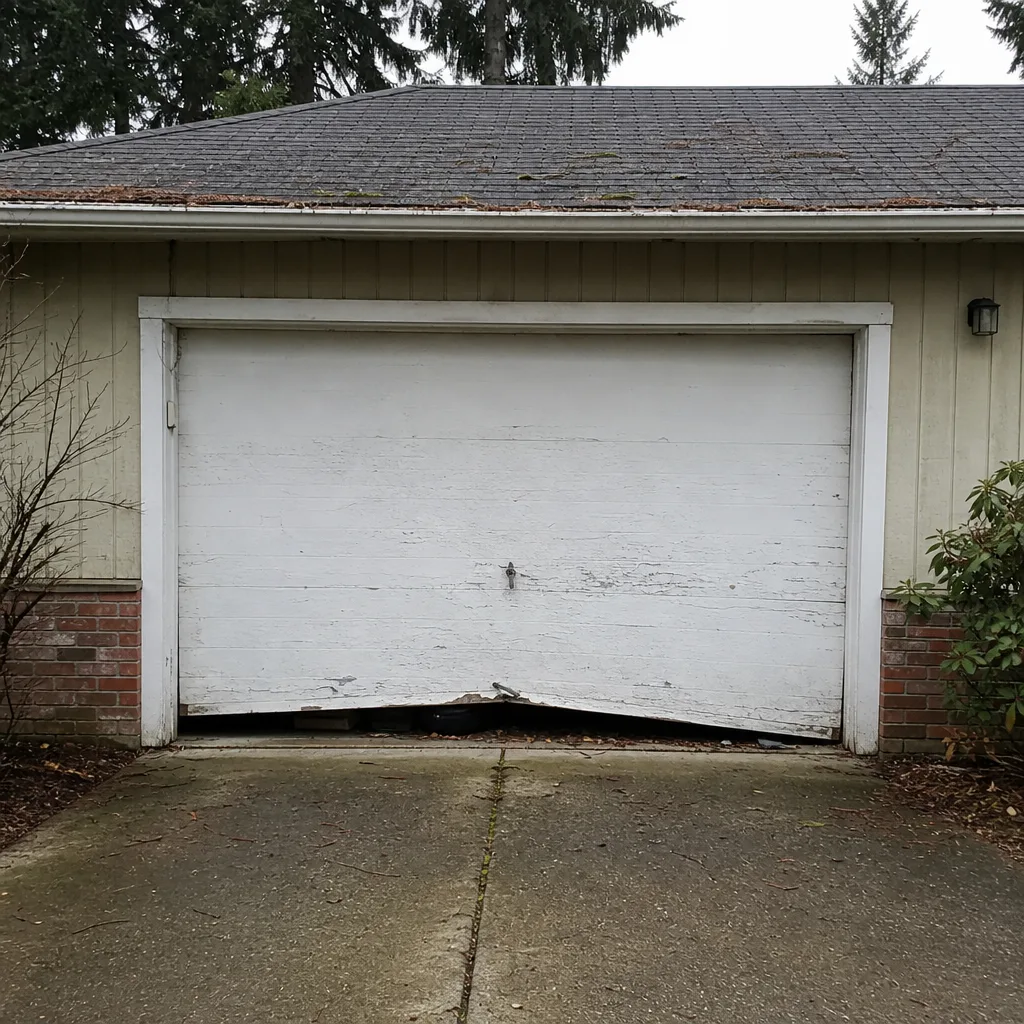 Before
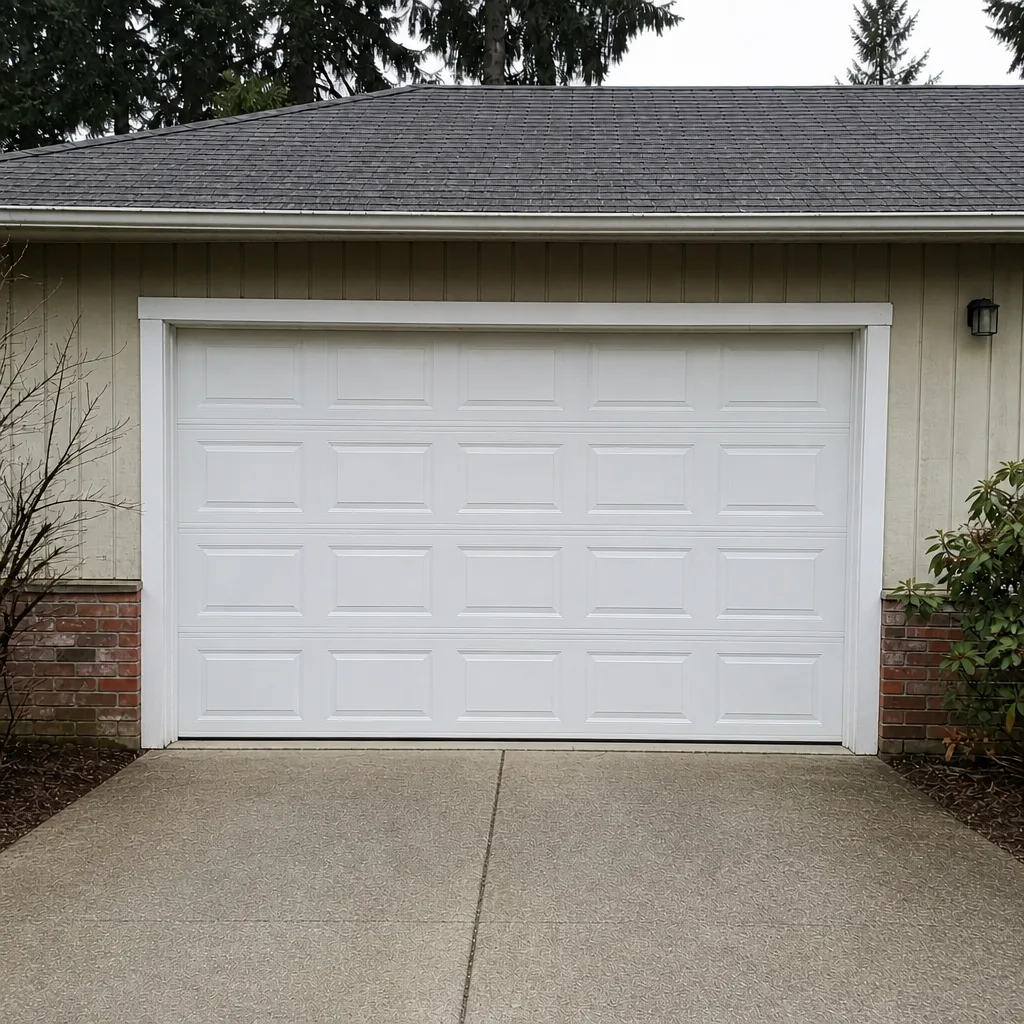 After
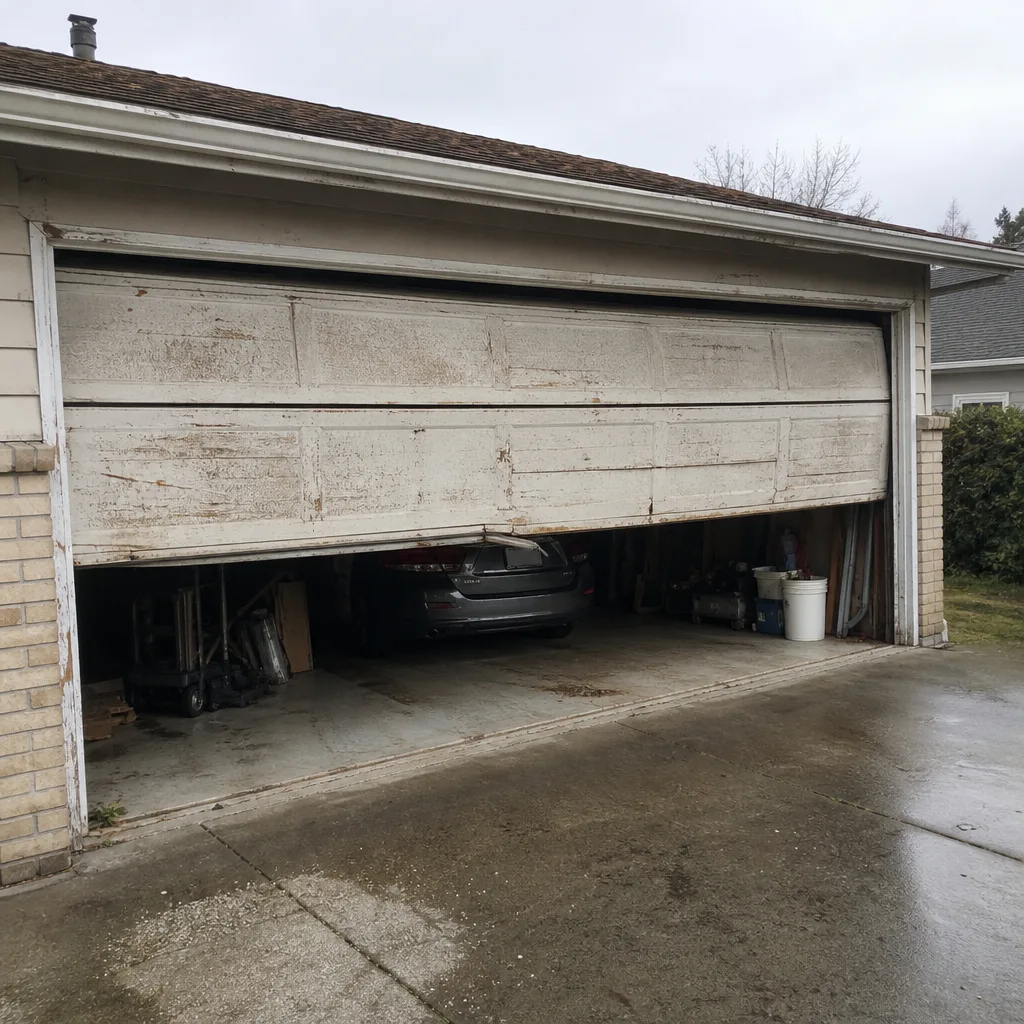 Before
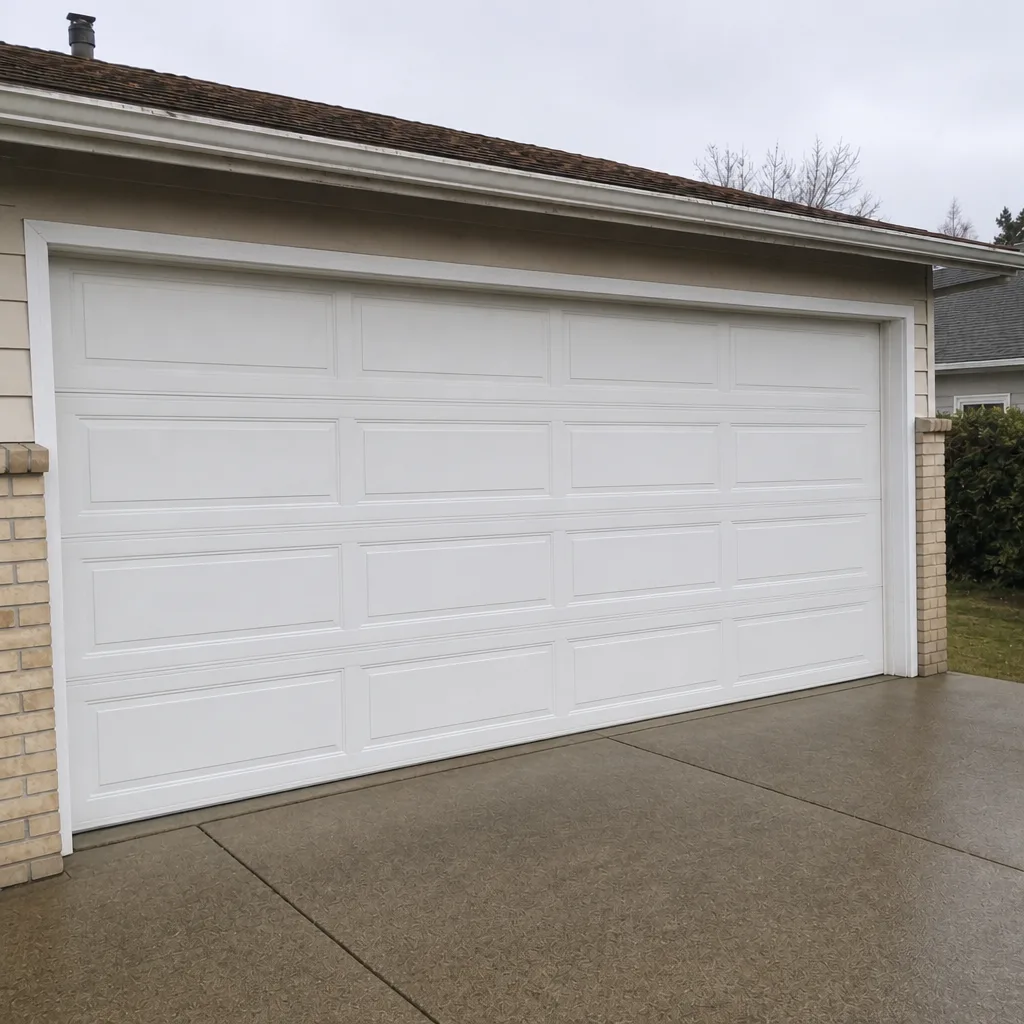 After
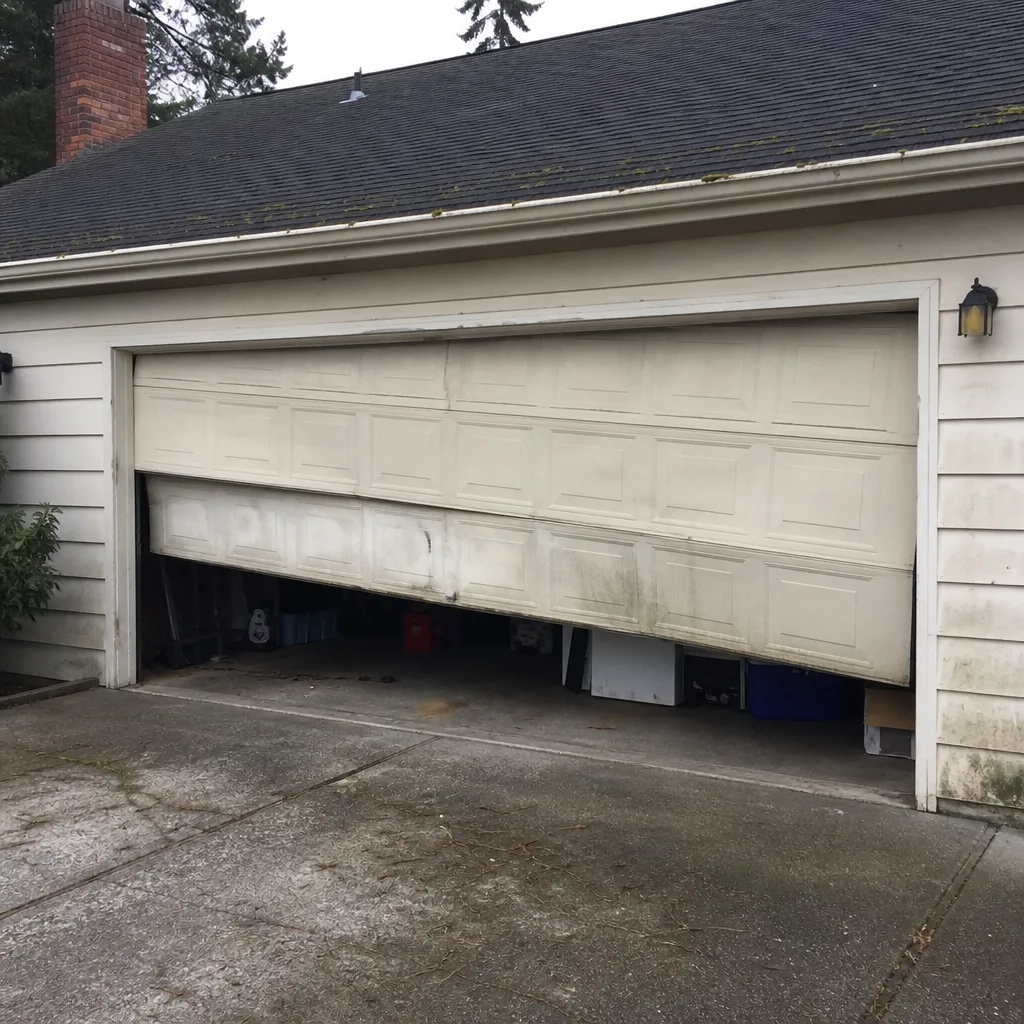 Before
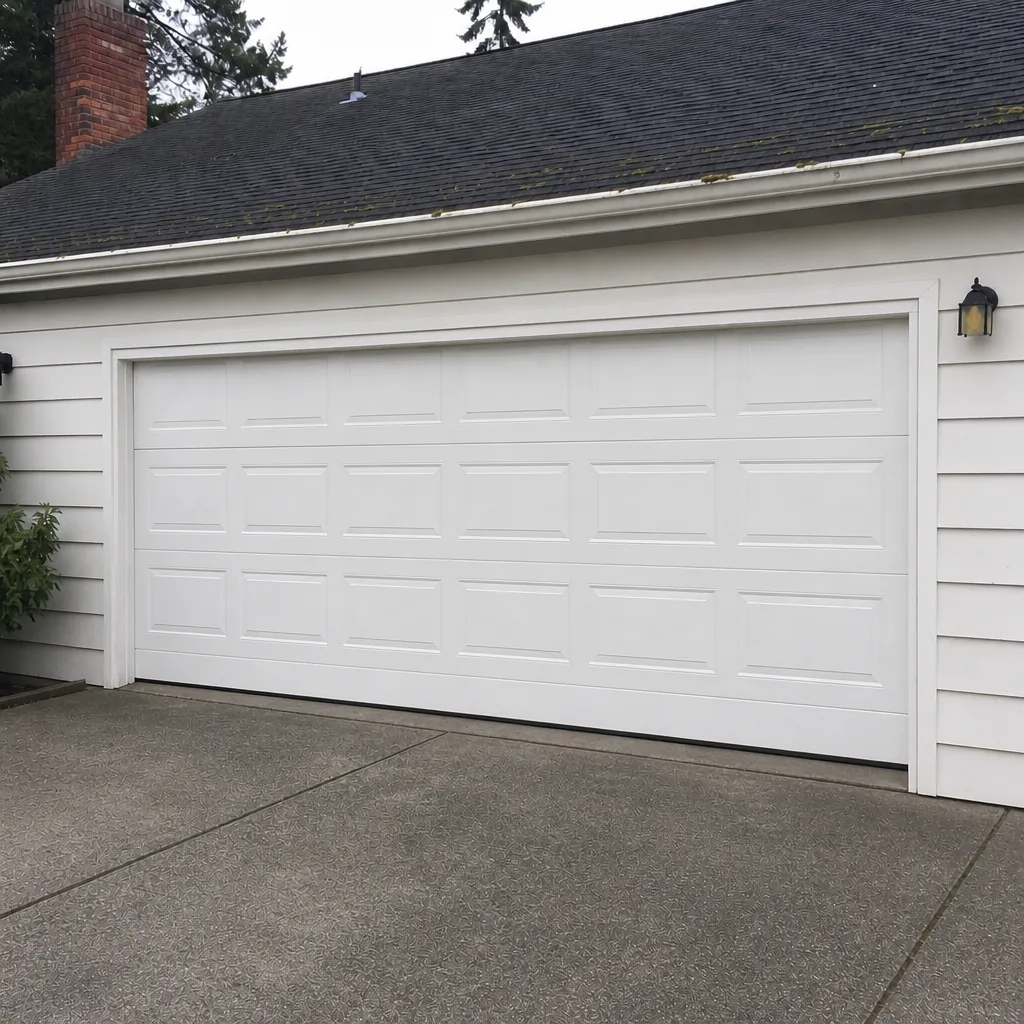 After
Frequently Asked Questions
Rust streaking below torsion spring coils is the most commonly missed warning sign. Homeowners see the orange-brown stain on the wall or hardware and assume it’s cosmetic, but it usually means the spring steel is corroding and losing strength. Have the spring inspected if you see it. Call (844) 685-3487 for a free estimate on a spring inspection in Northgate.
Yes, treat it as urgent because it usually means the opener’s force limit is out of adjustment or a sensor has drifted, and a door that reverses incorrectly can also fail to reverse when it should. Stop using the door until a technician checks the force setting and safety sensors. Call (844) 685-3487 to book an opener diagnostic.
No, do not apply household oil or general-purpose lubricant to spring coils; it attracts grit and can make the noise worse, and the spring is under tension regardless of lubrication. Squealing from a hinge or roller is a different matter and can be addressed with the right garage door lubricant. If the sound is popping or comes from the spring area, stop using the door and call (844) 685-3487.
A door off its tracks will usually bind, lean, or stop partway through travel and may show visible misalignment of the rollers in the track. Noise without binding or leaning is more often a roller, hinge, or loose hardware issue. Either way, don’t force the door; call (844) 685-3487 for a diagnosis. The price is agreed before any work begins.
Stop using the door and call a technician; a gap in a closed torsion spring coil means the metal has cracked and the spring has lost tension. Do not try to lift, wind, or adjust the spring yourself, since torsion springs carry enough stored energy to injure. Call (844) 685-3487 for a same-day spring repair booking in Northgate.
In most cases, yes; our technicians are trained and equipped to service products from LiftMaster, Chamberlain, Genie, Clopay, Amarr, Wayne Dalton, Craftsman, and Raynor, and they have up to 13 years of experience across those platforms. Have your opener’s brand and model handy when you call so the right technician and parts get booked. Call (844) 685-3487.
The Bottom Line
Garage door failures rarely happen without warning. Sound, spring corrosion, opener behavior, and frame gaps are all signals that point to a specific part, and knowing what each one means is the difference between a small repair and a safety emergency. The four sound types map to rollers, springs, loose hardware, and track alignment. The three spring visual tells (rust, gap, lean) are the ones to act on immediately. Opener flags like unexpected reversing, shrinking remote range, and hesitation point to force settings, antennas, and capacitors. Run the auto-reverse test monthly. And when something does need repair, call a specialist who works on the brand already in your garage. Call (844) 685-3487 for a free estimate in Northgate.
Contact
If any warning sign in this guide matches what you’re seeing or hearing, don’t wait for it to get worse. Garage Door Repair Northgate offers free estimates in Northgate and works across all major residential brands, from spring and opener repairs to full door replacement. The written estimate is the price, and the price is agreed before any work starts. Call (844) 685-3487 for a free estimate today.
Written by the team at Garage Door Repair Northgate.