Last updated November 21, 2026
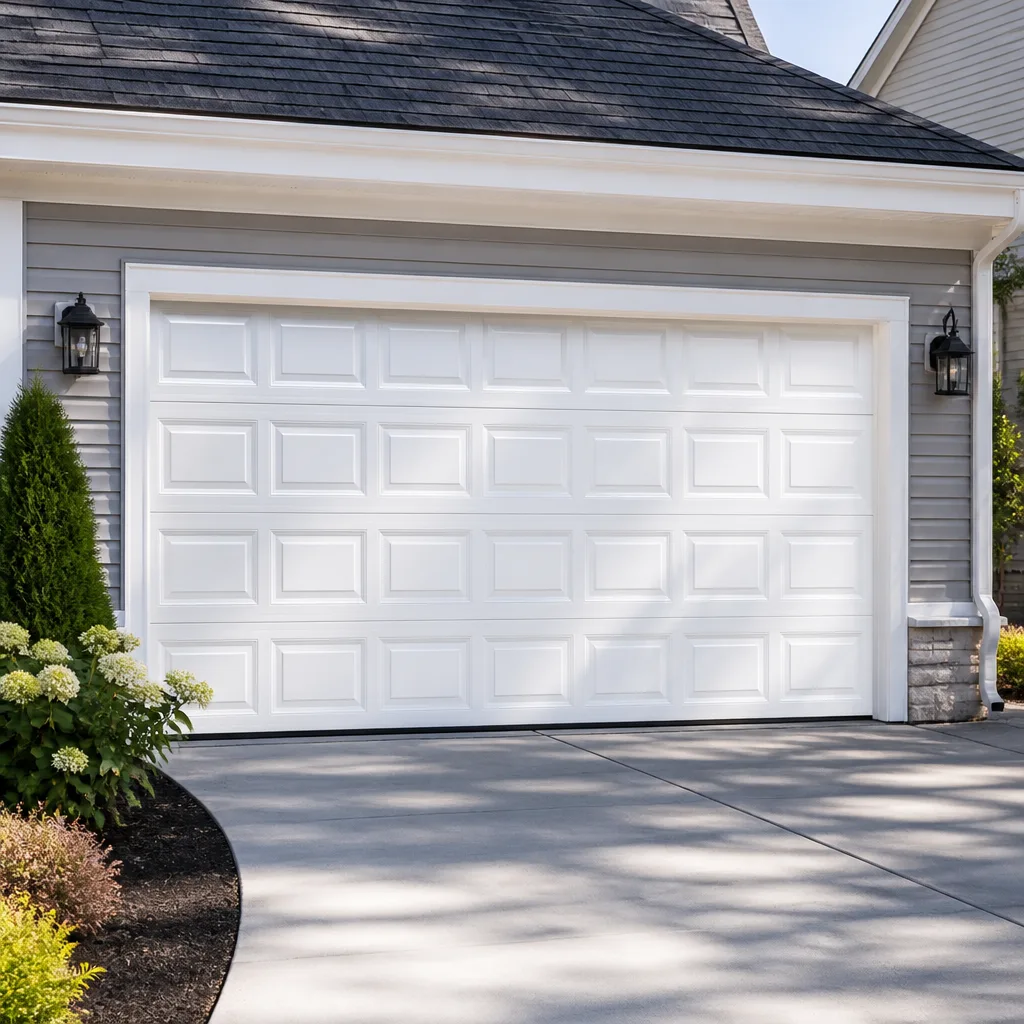 Raised-panel steel
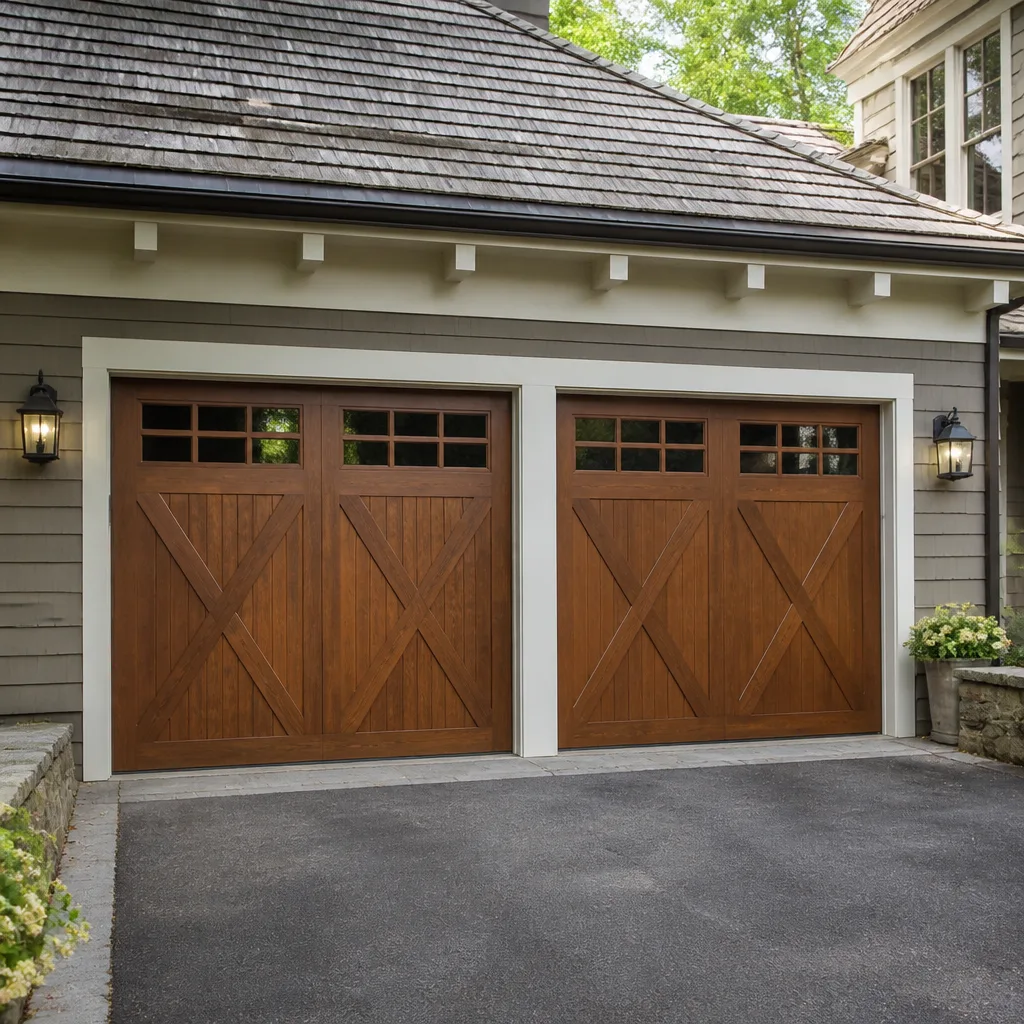 Carriage house
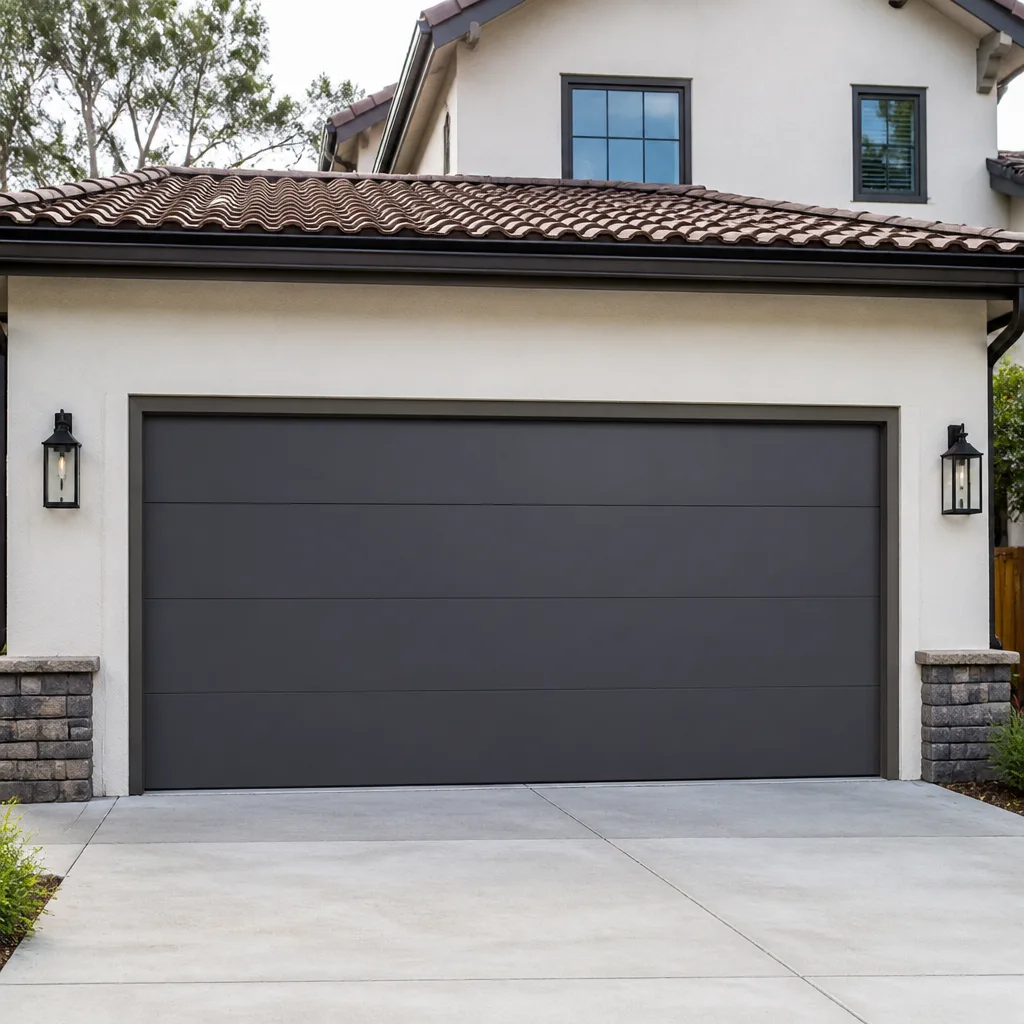 Modern flush
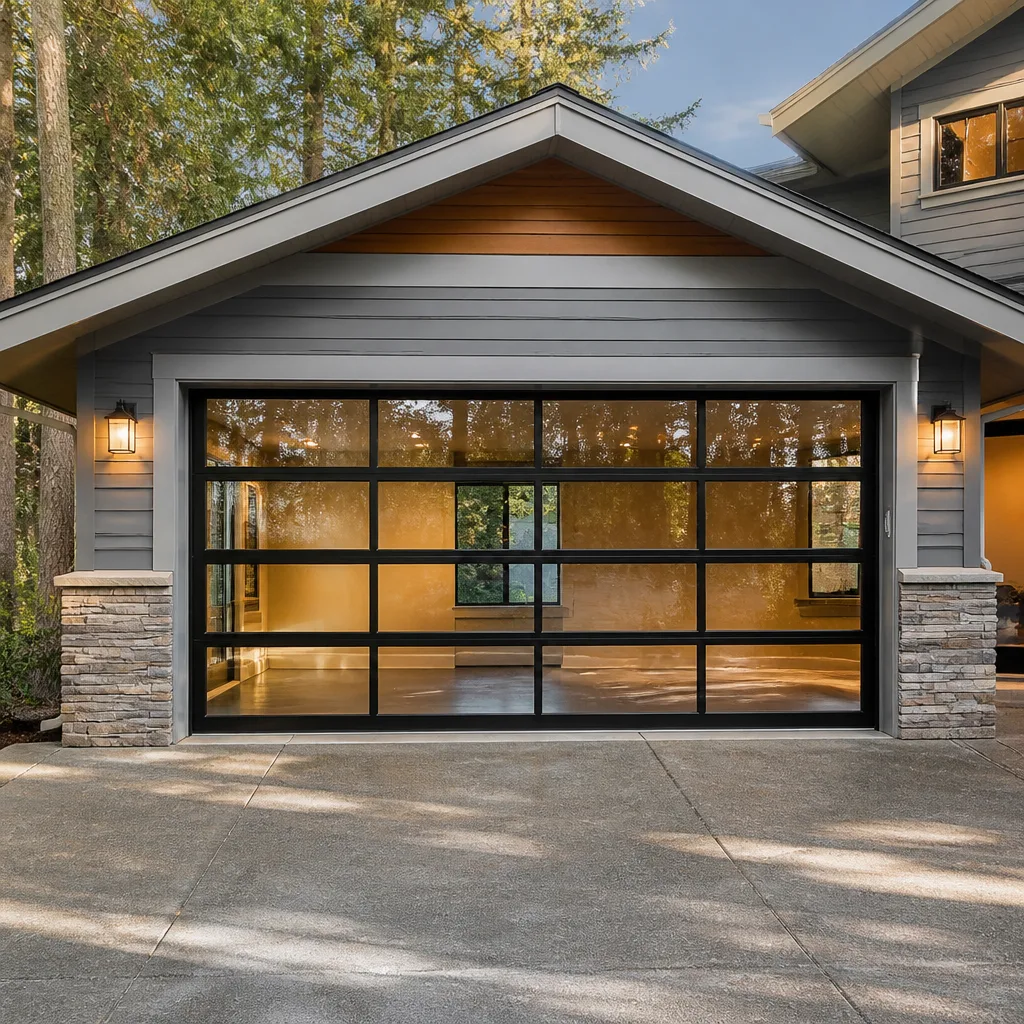 Full-view glass
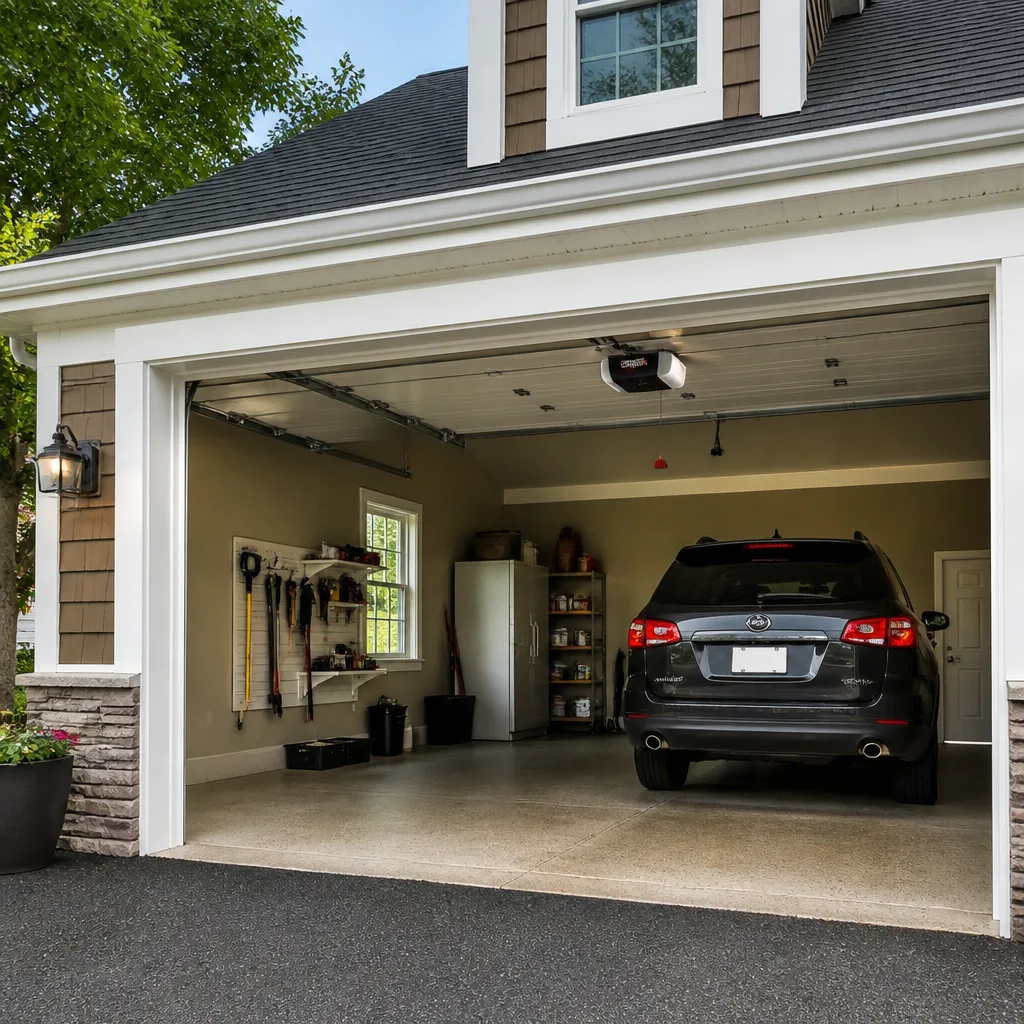 LiftMaster openers
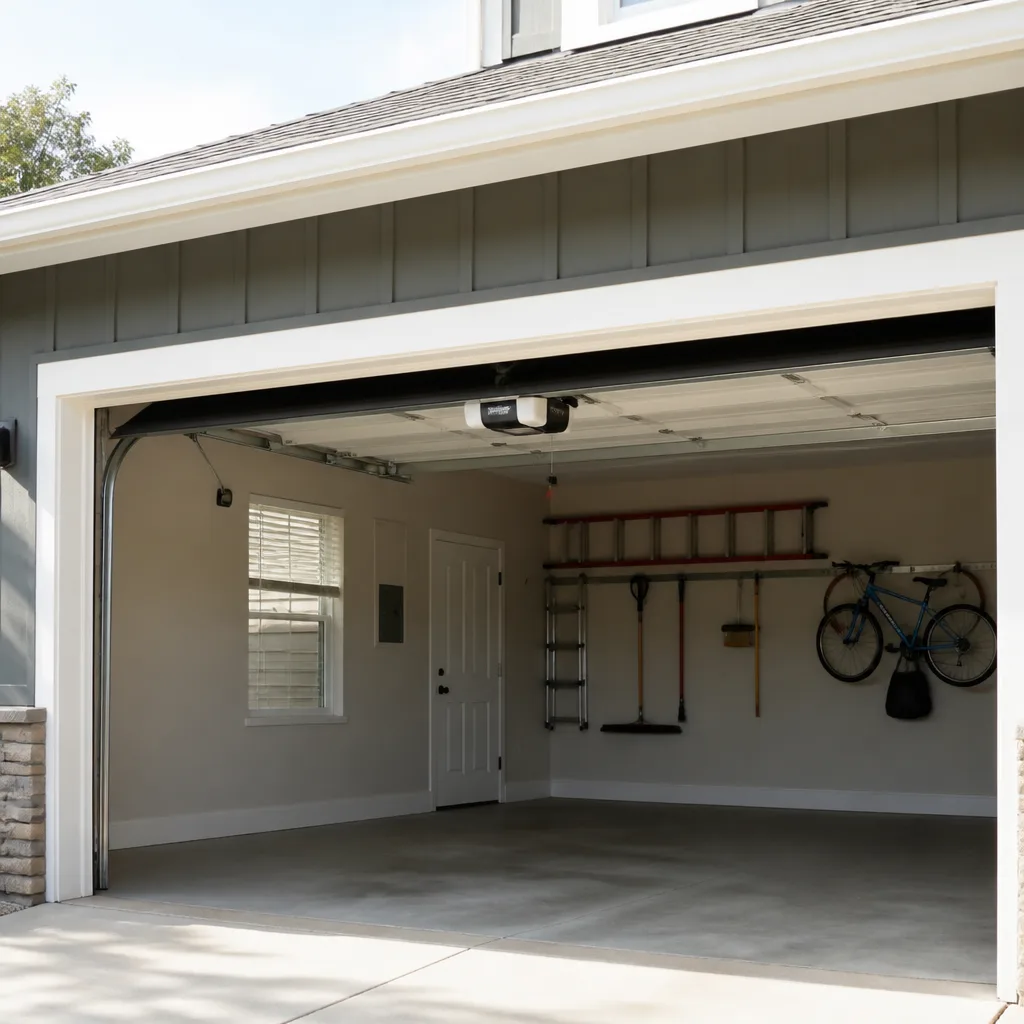 Chamberlain openers
Full 25-point door and opener safety check with every visit - springs, cables, rollers, tracks, and your LiftMaster or Chamberlain opener included
You get a price before we start. It does not change when the pro arrives.
Get your free estimateGarage Door Permits, Codes & Inspections in Northgate, WA: What You Need to Know
Here’s the part that surprises most Northgate homeowners: replacing a garage door with the same size door in the same opening usually needs no permit at all. The permit question almost never starts with the door. It starts with what changes around it – the size of the structural opening, a new electrical circuit for the opener, or the fire separation between an attached garage and the rooms you sleep in. Widen the opening, add a high-lift jackshaft opener on new wiring, or live in an attached-garage townhome, and the rules shift quickly. An unpermitted modification can sit quietly for years, then surface on a home inspection at exactly the wrong moment. This guide walks through when a Northgate garage door job needs a permit, when it doesn’t, and how to keep a replacement clean on paper.
Quick Answer
In Northgate and the rest of King County, a like-for-like garage door replacement – same opening, same size, no framing changes and no new electrical work – typically does not require a building permit. A permit usually comes into play when you alter the structural opening, add a new dedicated electrical circuit for the opener, or change the fire-rated separation between an attached garage and living space. When in doubt, call the City of Seattle’s building department and describe the job in plain terms; they will tell you which permit, if any, applies.
Styles & brands we work with
- Raised-panel steel
- Carriage house
- Modern flush
- Full-view glass
- LiftMaster openers
- Chamberlain openers
Table of Contents
- When Does a Garage Door Job Need a Permit in Northgate?
- Structural Opening Changes: The Real Permit Trigger
- Electrical Permit Triggers and Opener Installation
- Fire-Rated Doors Between Attached Garages and Living Space
- HOA and CC&R Rules in Northgate Townhomes
- What Happens at a Home Inspection
- How to Cure an Unpermitted Modification Before Listing
- Common Mistakes to Avoid
When Does a Garage Door Job Need a Permit in Northgate?
A straight swap of one door for another of the same size in the same opening is the honest answer to “do I need a permit?” – usually no. Northgate has a large stock of mid-century and 1970s homes where the original single-car opening is a standard width, and swapping a worn Clopay or Wayne Dalton door for a new one of the same dimensions is treated as a maintenance replacement, not a structural change. That’s the majority of the replacement work we see in Northgate.
The picture changes once the job stops being a door swap and becomes a building modification:
- Enlarging or narrowing the opening – cutting a wider header, moving a jamb, or changing the rough opening dimensions means you’re altering structural framing, and that’s a building permit.
- Changing the door type in a way that affects the header – a heavier door that needs a different track and header setup can cross the same line.
- New electrical work – a brand-new dedicated circuit for an opener is an electrical permit, separate from any building permit.
- Fire separation changes – if the job touches the wall or door between an attached garage and living space, fire-rated requirements apply and a permit is often required.
For Northgate homeowners planning an upgrade rather than an emergency repair, it helps to confirm the permit question before the door is ordered. A new door is measured against the existing opening, so an opening change made after the fact is exactly the scenario that produces a mismatch, a return, and a delay. If you’re weighing a full replacement, our garage door installation team measures the opening as part of the estimate, which is also the point where a permit question gets answered.
Structural Opening Changes: The Real Permit Trigger
The permit requirement is driven by the opening, not the door. If the rough opening stays the same size and the framing isn’t touched, you’re in replacement territory. If the opening changes – wider, taller, or re-framed – you’re in construction territory, and the City of Seattle’s building department will want to review the structural work before it’s closed up.
Here’s how a Northgate opening change usually goes when a homeowner decides to widen a single-car door to fit a double:
- Confirm the header and framing. Widening an opening means a new or reinforced header. That’s structural work and it needs a permit and typically an engineer’s input on the sizing.
- Pull the building permit before demolition. The permit is issued against the plan, and framing is inspected before drywall goes back up.
- Order the door only after the new opening is measured. A door cut for a widened opening can’t be adjusted on site, so measure after the framing is final.
- Schedule the framing and final inspections. Your local building department tells you what they want to see and in what order.
The pattern we see in Northgate’s older housing stock is homeowners who want a wider door but assume the door company handles the permit. We don’t pull structural permits – that’s the job of a licensed contractor or the homeowner working with the city. What we do is flag it early, so a planned install doesn’t turn into a door sitting in a crate while the framing is reworked. And if the door is failing now, our garage door repair side handles the fix without touching the opening, which keeps the job on the replacement side of the line.
Electrical Permit Triggers and Opener Installation
A new opener wired into an existing outlet is a swap. A new dedicated circuit for a high-lift jackshaft opener is electrical work, and in Washington State that means a licensed electrician and a separate electrical permit. The distinction matters more than most homeowners expect, because the openers that need the most electrical work are the ones people want most.
A LiftMaster 8500W-style jackshaft opener mounts on the wall beside the torsion bar instead of hanging from the ceiling. It’s a popular choice in Northgate garages where ceiling space is tight or a homeowner wants the door track close to the ceiling for a cleaner look. It also runs on its own circuit, which is where the permit question lands. The same applies to any opener where the existing wiring isn’t rated for the load, or where the outlet is at the end of a run shared with a freezer and the lights.
What to expect when the job involves new wiring:
- Licensed electrician. Electrical work on a dedicated circuit is a licensed trade in Washington. An opener technician can install the opener; the electrician handles the circuit and the permit.
- Separate permit pull. The electrical permit is filed separately from any building permit, and the electrician typically handles it.
- Rough-in inspection before the opener is mounted. The circuit is inspected before the opener is wired in, so the schedule runs electrician first, opener second.
- Same opener, same brand familiarity. Whether the circuit is new or existing, we install LiftMaster, Chamberlain, Genie and Craftsman openers, so the opener side of the job doesn’t need a second company.
If your opener has simply stopped responding, that’s not an electrical permit question – it’s a diagnostic one. Our garage door opener repair work starts with the existing wiring, and if the fix requires a new circuit, we tell you that before anyone touches the panel.
Fire-Rated Doors Between Attached Garages and Living Space
An attached garage shares a wall with the house, and the code treats that wall and the door in it as a fire separation. Under the International Residential Code, the requirement most often cited is Section R302, which addresses the separation between a garage and the dwelling. In plain language: the door between an attached garage and living space is generally required to be fire-rated and self-closing, and it is not the same door as your overhead garage door. It’s the swing door on the interior wall.
This is the piece homeowners miss. The overhead door is the one they’re replacing. The fire-rated door is the one the inspector checks. But opener installation can affect compliance in a subtle way: a modern opener that leaves the overhead door open, or one wired to hold the door up, doesn’t change the fire door itself. What changes compliance is when a homeowner removes a self-closing hinge or swaps the fire-rated interior door for a standard one because it sticks. That’s a fire separation change and it’s the kind of thing that shows up on inspection.
Northgate has a lot of homes where the attached garage doubles as the main entry, which is why the fire door gets used heavily and wears out. The rule of thumb:
- The swing door between garage and house is a fire-rated, self-closing door. Don’t replace it with a standard interior door.
- The overhead door is not the fire separation. Replacing it doesn’t change the fire rating of the wall.
- Changes to the fire separation – the wall, the door, or the hardware – are where a permit and an inspection come in.
- If you’re unsure whether your interior door is rated, check the label on the door edge or ask the city.
We don’t work on interior swing doors. What we do is make sure the overhead door and opener we install don’t create a false sense of compliance, and we point homeowners to the right trade when the fire door itself is the question. Garage doors are all we do, and that focus is why we can tell you exactly where our work stops.
HOA and CC&R Rules in Northgate Townhomes
In Northgate’s townhome and planned-community developments, the HOA can be stricter than the code. Code sets the minimum; the CC&Rs can require a specific door style, a specific color, and a specific panel configuration – and an HOA architectural review committee can reject a door that passes every inspection. This is the overlay that catches homeowners who did everything right with the city and then got a letter from the association.
What to check before ordering a door in a Northgate townhome:
- Read the architectural section of your CC&Rs. Look for “garage door,” “exterior modification,” and “approved colors.”
- Ask the HOA for the current approved product list. Many associations keep a list of approved door models and colors.
- Submit the architectural request before the order. Most committees want the make, model, color and a photo or spec sheet.
- Keep the approval in your records. It’s useful at resale and it protects you if the board changes.
This is where brand familiarity helps. If your HOA requires a carriage-house style or a specific raised-panel look, we work on the brand already in your garage and can often match the style within Clopay or Amarr lines. Wayne Dalton is common in some of the older Northgate townhome rows, and matching a discontinued profile is easier when the technician knows the brand’s current catalog. The point isn’t to pick a brand for you; it’s to find the door that satisfies the committee without overspending on a custom build.
What Happens at a Home Inspection
A home inspector isn’t a code official, and they won’t issue a permit violation. What they do is note what they see, and an unpermitted structural or electrical change to a garage gets noted. In Northgate, where a lot of homes have been updated over the decades, the inspection report is often the first place a homeowner learns the garage opening was widened without a permit or the opener circuit was added without an inspection.
The inspection report itself doesn’t cost you money. The cost shows up in how a buyer reacts to it. An unpermitted modification can become a negotiation point, a request for a credit, or a reason a buyer walks. The size of that impact depends on the modification and the market, not on a fixed number. A widened opening that’s structurally sound but undocumented is a very different conversation from a new circuit with no inspection record.
What inspectors typically flag on a garage:
- An opening that was clearly enlarged, with no visible permit or inspection documentation.
- New electrical work at the opener with no junction box cover or no permit record.
- A fire-rated interior door replaced with a standard door, or self-closing hardware removed.
- An opener installed without the safety reverse test documented, or a photo-eye that’s been bypassed.
- A door that doesn’t stay balanced or a spring that’s been replaced with the wrong wire gauge.
The good news is that most of these are curable, and curing them before listing is almost always cheaper than negotiating after an offer. For the physical side of the door – springs, cables, balance, opener safety reverse – our repair team can put the door back to a safe, documented condition, and you can take the paperwork question to the city separately.
How to Cure an Unpermitted Modification Before Listing
Curing an unpermitted garage modification is a paperwork and inspection process, not a rebuild. In most Northgate cases, the fix is to get the modification inspected and recorded, or to reverse it if it doesn’t meet code. The city’s building department is the source of truth for which path applies, and the earlier you start, the less it pressures a listing timeline.
A practical sequence:
- Find out what’s actually on record. Request the permit history for your address from the City of Seattle. If nothing was pulled for the garage work, you’ll know.
- Describe the modification to the building department. Tell them what was changed – opening size, electrical, fire door – and ask what they require to bring it into compliance.
- Get any needed inspection or engineering review. Structural changes may need an engineer’s sign-off; electrical changes need a licensed electrician.
- Correct anything that doesn’t meet code. Reinstall self-closing hardware, replace a standard interior door with a rated one, or add the missing circuit protection.
- Keep the records with the house. Inspection reports and permit records belong in the disclosure packet, not in a drawer.
If the modification was an opening change that’s now part of the structure, the cure may be as simple as documenting a sound job. If it was a fire door swap, the cure is reinstalling the rated door. Either way, the garage door specialist’s role is limited to the door and opener, and that’s exactly the role we play in Northgate: we get the door side right and tell you when the question belongs to the city or the electrician.
Common Mistakes to Avoid
- Assuming a wider door is just a bigger door. Widening an opening changes the header, and that’s structural work with a permit. Order the door only after the framing is final.
- Treating a new opener circuit as a swap. A dedicated circuit for a jackshaft opener is electrical work and needs a licensed electrician and a separate permit. Adding it to a shared outlet run is the mistake that gets flagged.
- Replacing the fire-rated interior door with a standard one. The door between an attached garage and living space is a fire separation under IRC Section R302. Swapping it for a standard door because it sticks is a code problem, not a cosmetic fix.
- Ordering a door before checking HOA rules. Northgate townhome associations can require a specific style, color, or panel. Get the architectural approval in writing before the order goes in.
- Storing parts or opening the torsion system on a DIY basis. Torsion and extension springs are under extreme tension. This is a professional-only job, full stop, and a door that’s “fixed” with the wrong spring wire is a safety hazard.
- Ignoring the balance and safety reverse test after a door swap. A new door that doesn’t reverse on contact or doesn’t hold balance is an inspection flag and a real risk. Test it, or have it tested.
- Leaving permit records out of the disclosure packet. A documented, permitted job is a selling point. An undocumented one becomes a negotiation. Keep the paperwork with the house.
See the difference
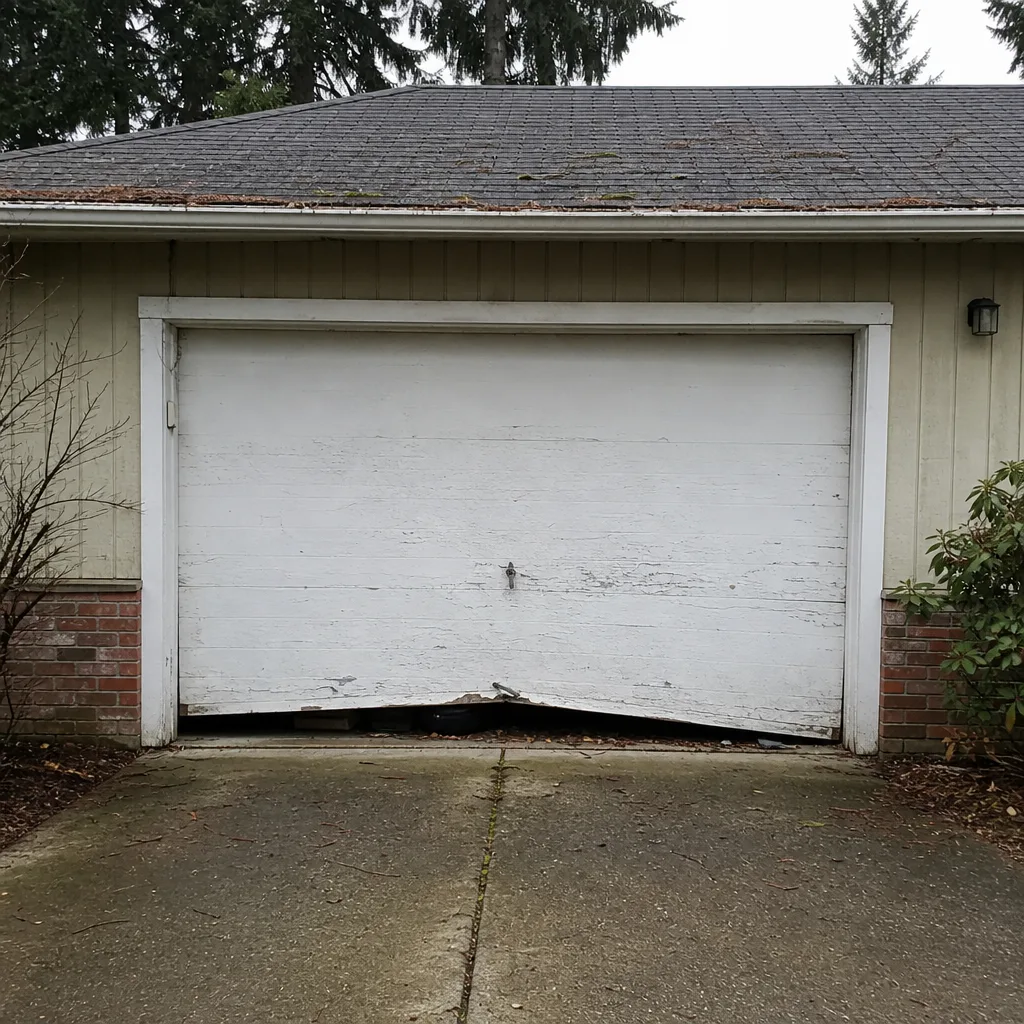 Before
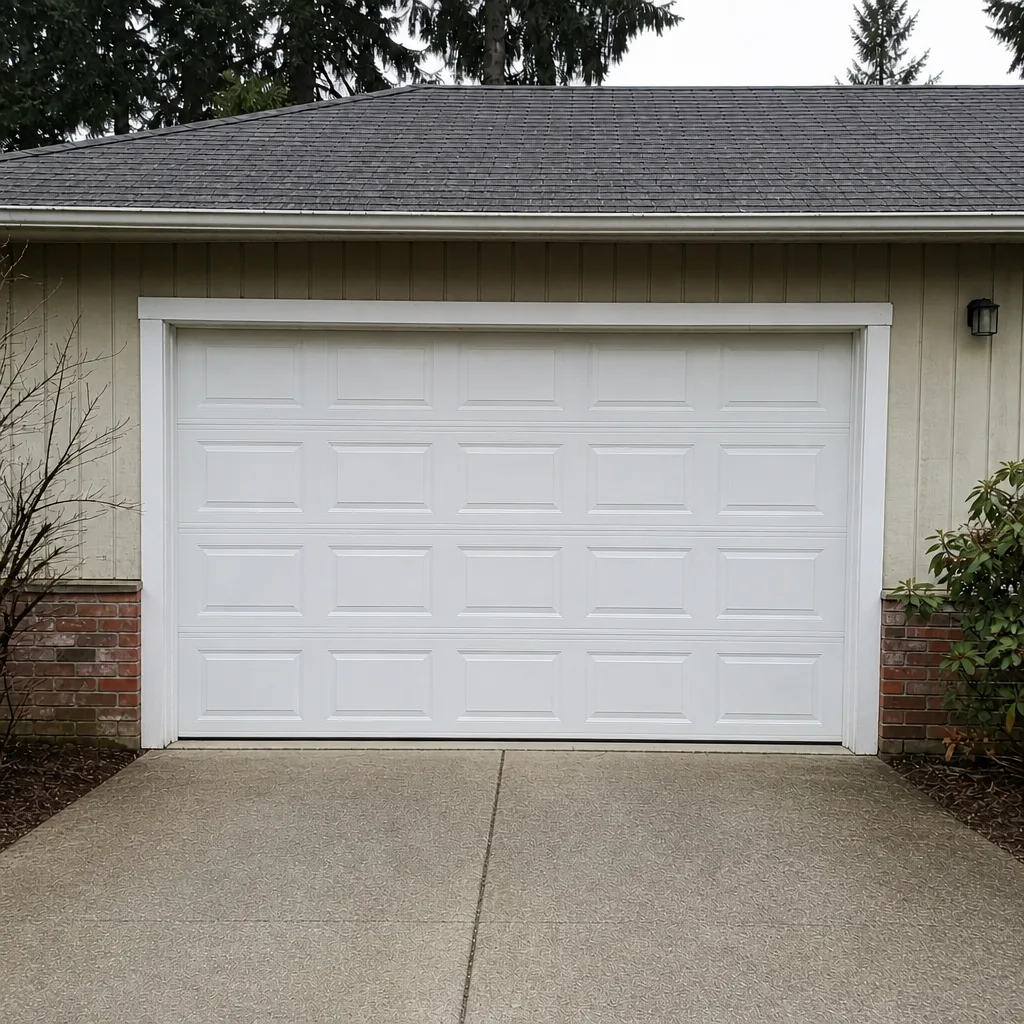 After
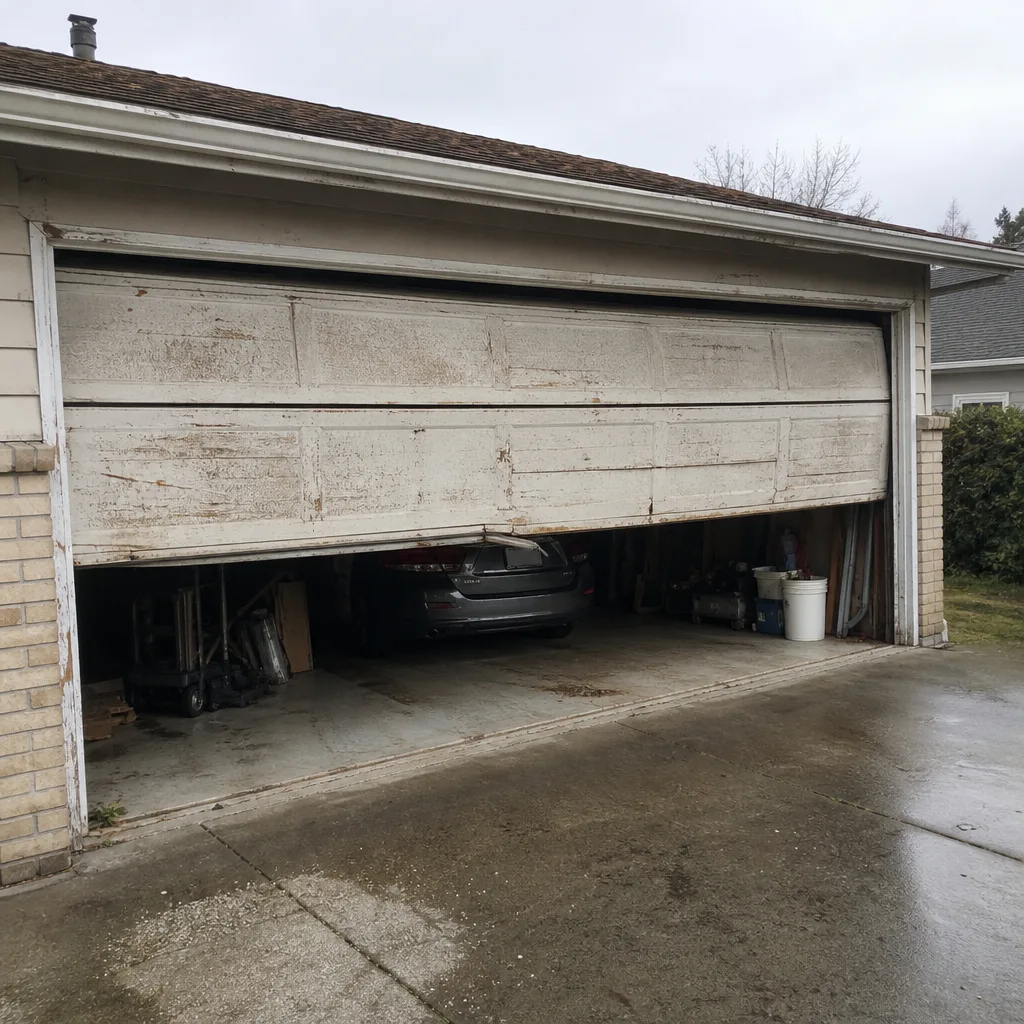 Before
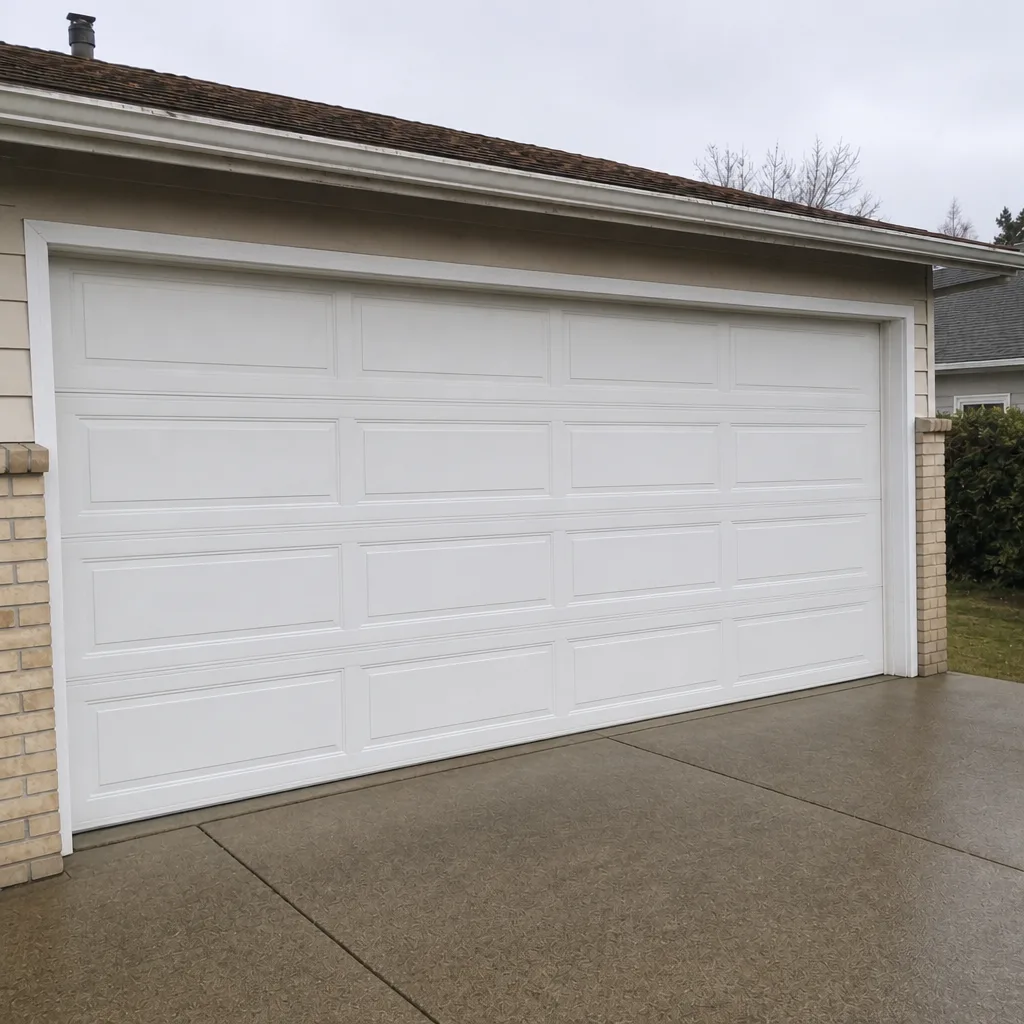 After
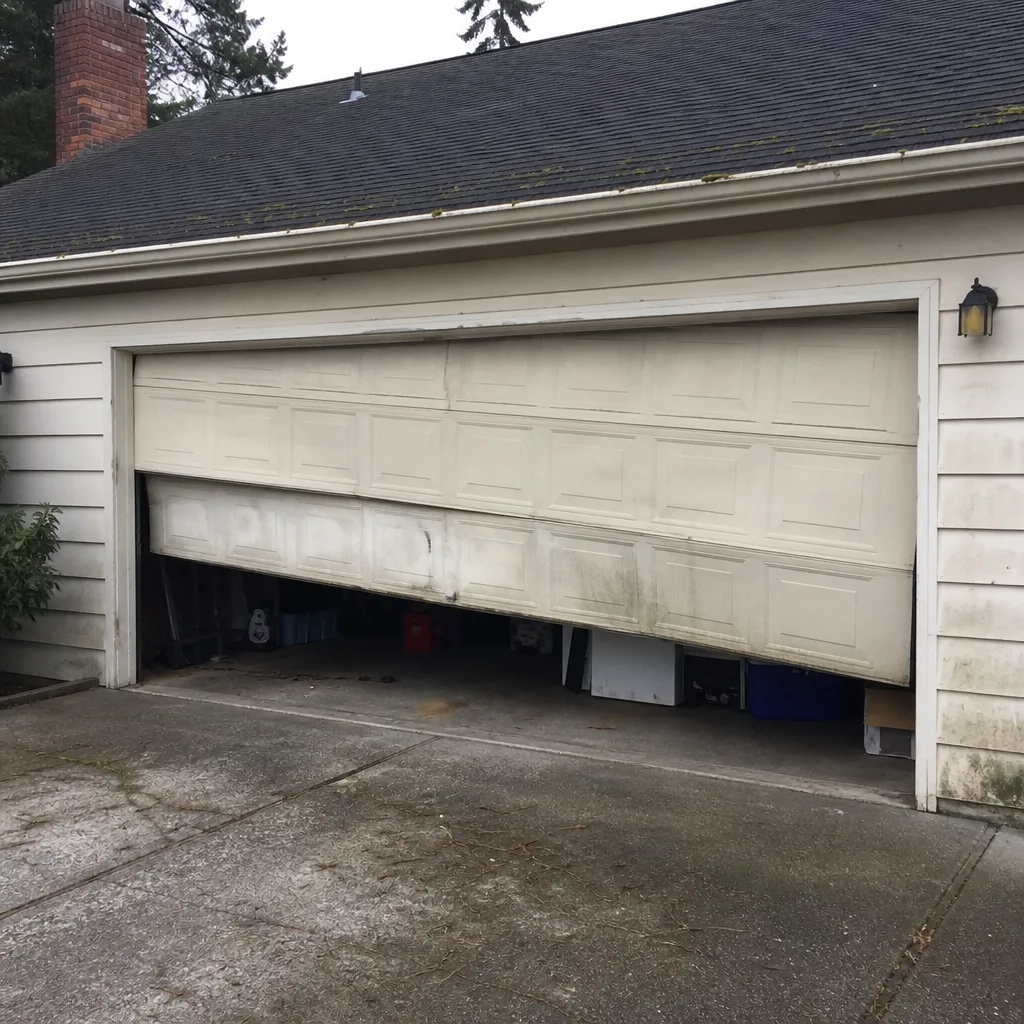 Before
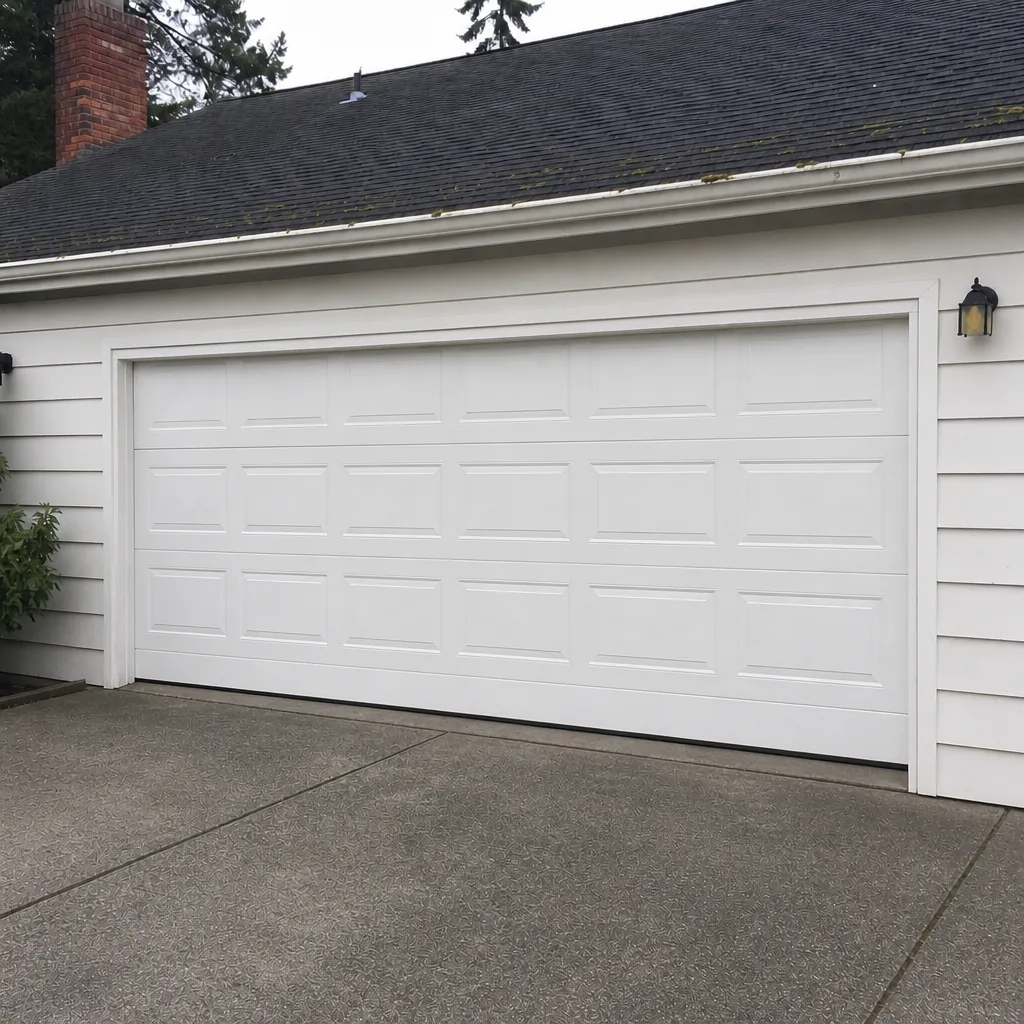 After
When to Call a Professional
Call a professional when the door is off its tracks, when a spring has snapped, when the opener runs but the door doesn’t move, or when the door won’t reverse on contact. Those are safety issues, not project decisions, and they don’t wait for a permit conversation. Call us before you order a door if the opening needs to change, if a new opener needs a dedicated circuit, or if an inspector flagged the garage and you need the door side put right. Spring replacement is a safety job, not a DIY fix – torsion and extension springs are under extreme tension and the wrong spring wire or a slipped winding bar can cause serious injury. Our technicians have up to 13 years of experience and we work on the brand already in your garage, whether that’s Clopay, Wayne Dalton, Amarr, Craftsman or any of the other major residential lines. Garage Door Repair Northgate offers free estimates in Northgate – call (844) 685-3487. The written estimate sets the price, and we quote and agree on it before any work starts.
Frequently Asked Questions
Usually no. A like-for-like replacement of the same size door in the same opening, with no framing changes and no new electrical work, is typically treated as maintenance and doesn’t require a building permit in Northgate. You do need one when the opening is enlarged or re-framed, when a new dedicated electrical circuit is added for the opener, or when the fire separation between an attached garage and living space is changed. Confirm with the City of Seattle’s building department before the job, and call (844) 685-3487 if you want a free estimate on the door side.
It does if the opener needs a new dedicated circuit. Swapping an opener onto existing wiring is not a permit job, but wiring a new circuit for a high-lift jackshaft opener is electrical work that requires a licensed electrician and a separate electrical permit in Washington State. The electrician typically pulls it, the circuit is inspected before the opener is wired in, and the opener install follows. Call (844) 685-3487 for a free estimate on the opener side.
The swing door between an attached garage and living space is generally required to be fire-rated and self-closing, and the requirement is most often cited under IRC Section R302. This is the interior door on the wall, not your overhead garage door, and the two get confused constantly. If your interior door is missing its rating label or has had its self-closing hardware removed, that’s the thing to fix. Call (844) 685-3487 if you want the overhead door and opener checked at the same time – estimates are free.
Yes. Code sets the minimum; your CC&Rs can require a specific style, color, or panel configuration and the architectural review committee can reject a door that passes every inspection. Read the architectural section of your CC&Rs, get the approved product list from your association, and submit the request before you order. We work on the brand already in your garage, which helps when the committee wants a specific look. Call (844) 685-3487 for a free estimate once you know what’s approved.
It often does. A home inspector won’t issue a violation, but they will note a widened opening, new electrical work without a permit record, or a missing fire-rated door, and a buyer can react to it. The cost isn’t fixed – it depends on how a buyer negotiates. Curing it before listing is usually the cheaper path: request the permit history, ask the building department what they require, correct what doesn’t meet code, and keep the records with the house. Call (844) 685-3487 for a free estimate on any door or opener work the cure needs.
The permit is handled by the licensed contractor or electrician doing the structural or electrical work, or by you working directly with the city. The garage door and opener work is what we do. We’re a garage door specialist – not a general handyman – and we install LiftMaster, Chamberlain, Genie, Craftsman and the major door lines, so we can flag a permit question early and keep our scope clean. Call (844) 685-3487 for a free estimate, and we’ll quote and agree on the price before any work starts.
The Bottom Line
The permit question in Northgate starts with the opening, the wiring, and the fire separation, not with the door. A like-for-like replacement is typically exempt; a widened opening, a new dedicated opener circuit, or a change to the fire-rated door between the garage and living space is where the city gets involved. Check your HOA before you order, keep every permit and inspection record with the house, and treat the door and opener as a specialist’s job. If an inspector flagged the garage, cure it before listing. Our technicians have up to 13 years of experience and we handle the door and opener side of every Northgate job, from a spring repair to a full replacement. For a straight answer on your job, call (844) 685-3487 for a free estimate. The price is quoted and agreed before any work starts, and the written estimate sets the final amount. You can also start with our Garage Door Repair Northgate page for the full range of what we do.
Written by the team at Garage Door Repair Northgate.